


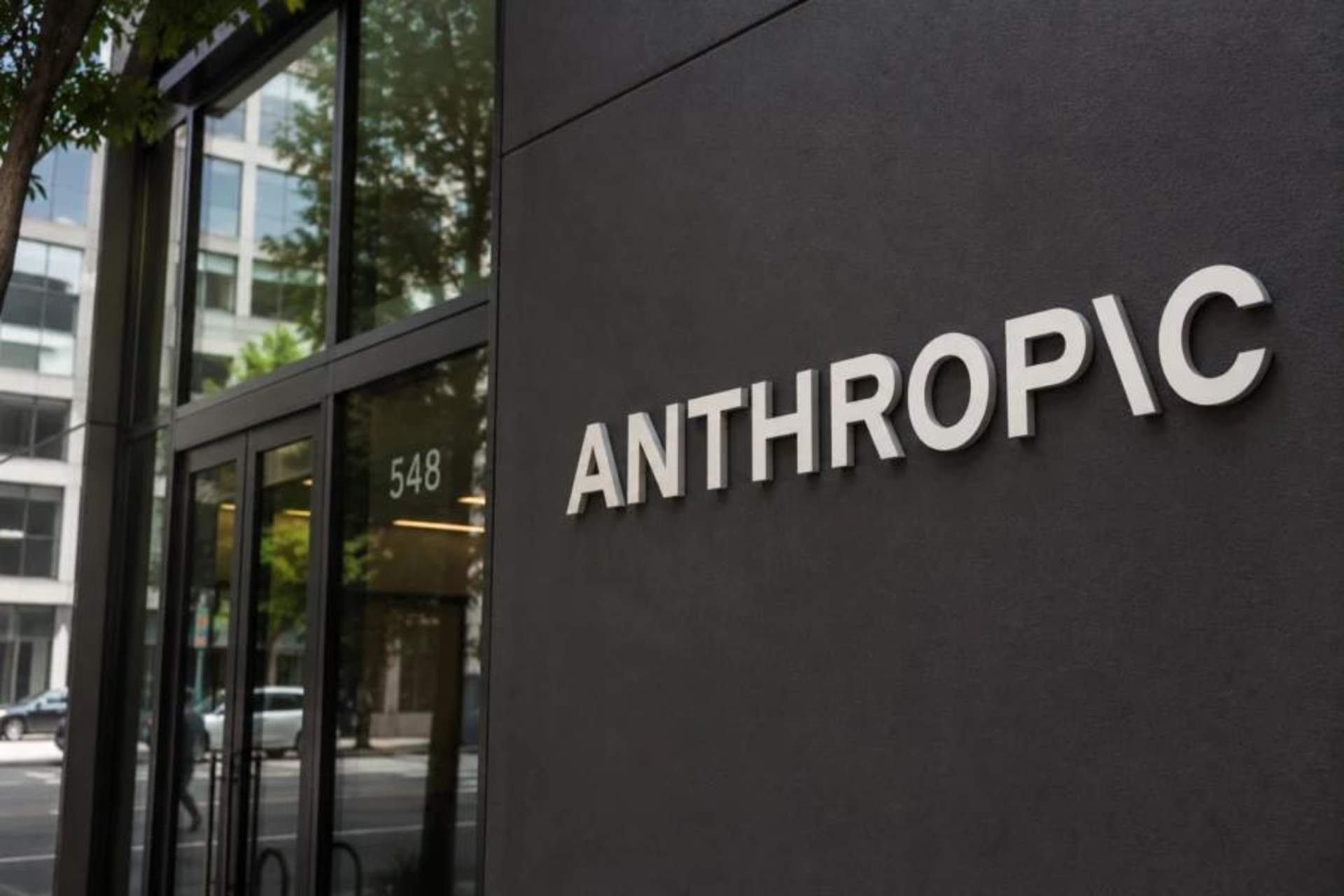
Anthropic, the artificial intelligence company behind Claude, has filed public paperwork for an initial public offering (IPO), moving closer to a potential stock-market debut while putting its business model, financial performance and AI-related risks under greater scrutiny.
The company filed a registration statement with the US Securities and Exchange Commission (SEC) on October 26. It intends to list its Class A common stock on the Nasdaq Global Select Market under the ticker symbol ANT. However, the filing does not mean the shares are ready to trade: the registration statement must become effective, and Anthropic has not yet set the number of shares to be offered or the price range. [Source: Anthropic; SEC]
The filing marks a significant step for a company that has become one of the most prominent challengers in the commercial AI market. Anthropic develops Claude, a family of AI models used for tasks including writing, software development, research and business work. A public listing would give investors a more formal way to buy into the company’s growth—and give the market a closer look at the economics behind that expansion.
Rapid growth, but an unusual financial picture
Anthropic’s registration statement provides investors with detailed information about its business and financial position. The company reported approximately $16.3 billion in revenue for the six months ended June 30, 2026, sharply higher than the same period a year earlier, according to reporting based on the filing.
The same reporting highlighted a reported net loss of about $80.7 billion for that period, largely linked to a substantial accounting charge associated with financing arrangements. That figure should not be read as a straightforward measure of the cash Anthropic spent operating its business. Investors will need to examine the filing’s accounting explanations, cash flows, contractual commitments and other financial disclosures to understand the company’s underlying economics.
The contrast between fast-growing revenue and a very large reported loss illustrates why headline figures alone cannot settle the question of whether an AI company is financially sustainable. Building and operating advanced AI systems can require significant spending on computing infrastructure, specialised chips, research and highly skilled staff. Revenue growth is important, but so are the costs of delivering services and the capital required to keep expanding.
AI safety is also an investor question
Anthropic has publicly positioned AI safety and responsible development as central to its mission. Its SEC filing also gives substantial attention to risks associated with its technology, alongside familiar business concerns such as competition, customer demand and the ability to attract and retain talent.
Those disclosures matter because AI companies face risks that extend beyond ordinary product competition. A serious model failure, misuse of a system, security incident or public controversy could affect customer confidence, regulatory scrutiny and the company’s reputation. At the same time, the commercial market is changing quickly as established technology firms and other AI developers compete for customers and infrastructure.
Risk disclosures do not establish that a particular harmful outcome will occur. They identify scenarios that investors should consider when evaluating a company and its prospects.
What happens next?
Anthropic’s filing is an important procedural milestone, not a completed IPO. The share count, offering price and final terms remain unsettled, and the SEC registration process must progress before a public sale can take place. Investors should therefore distinguish confirmed filing details from market speculation about the company’s eventual valuation or debut date.
For the wider technology industry, the offering could become a test of how public-market investors value fast-growing AI businesses whose future prospects depend on continued demand, costly infrastructure and uncertain long-term economics. It may also provide a clearer view of how Anthropic’s public-benefit structure and stated safety commitments fit alongside the expectations placed on a publicly traded company.
The central question is no longer simply whether businesses will pay for advanced AI. It is whether developers can turn that demand into durable financial performance while managing the technical, competitive and societal risks that come with increasingly capable systems.


Comments
0