


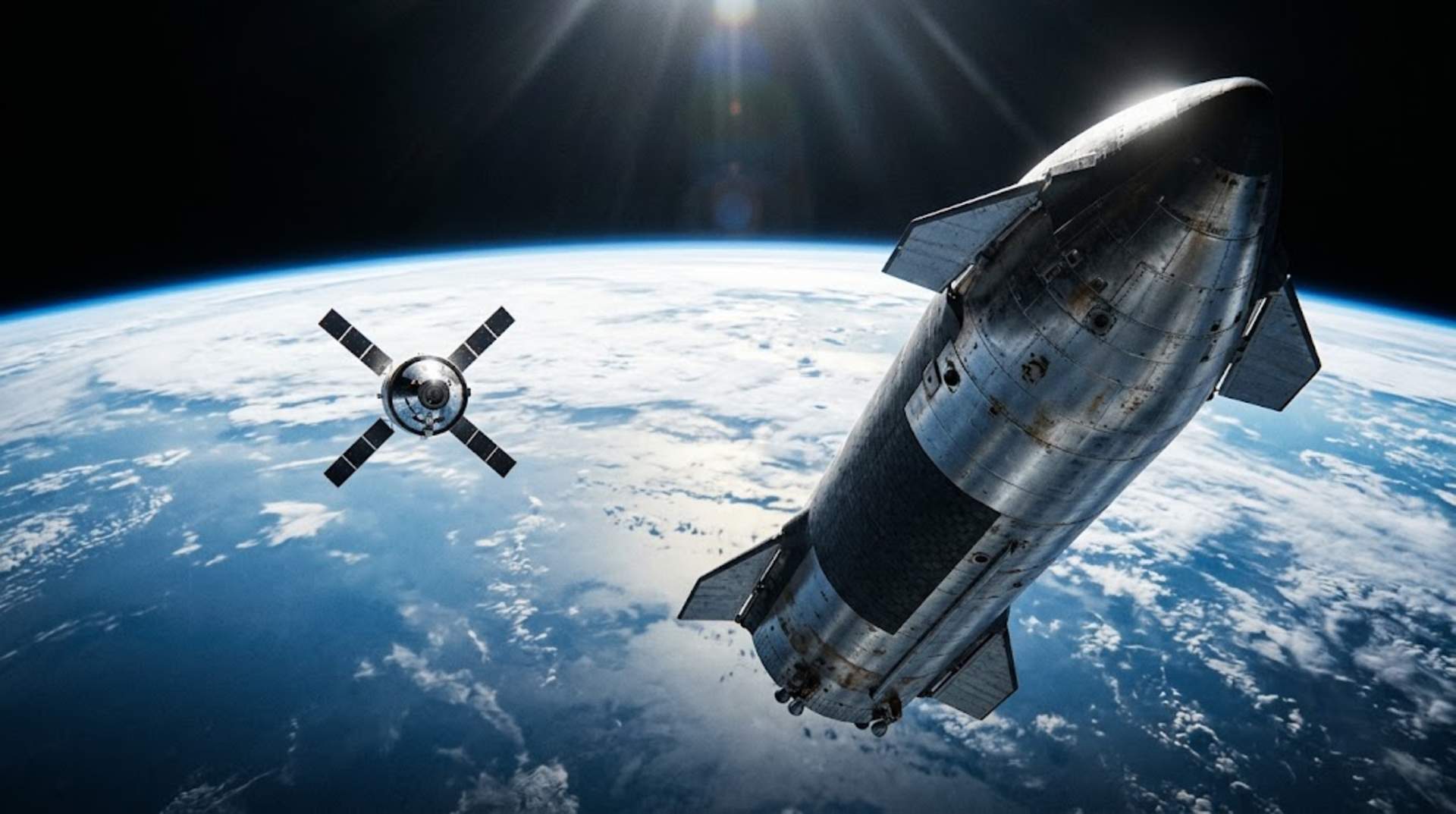
A highly anticipated Artemis III moon landing delay is now official, with NASA pushing humanity's return to the lunar surface to 2028 after a string of rocket engine failures forced the agency to alter the mission profile entirely.
According to an internal agency memo circulated by NASA Administrator Jared Isaacman in late September 2026, the American space agency is roughly 90 days behind schedule on its flagship lunar program. Rather than rushing a crew to the lunar south pole next year, NASA will now use the targeted summer 2027 launch window to conduct a complex Earth-orbit test flight, leaving the actual lunar touchdown for 2028.
The schedule shift effectively turns Artemis III into a high-stakes orbital rehearsal. Astronauts will launch aboard the Orion spacecraft and attempt to rendezvous and dock with commercial lunar landers in low Earth orbit. This flight will test the critical life-support and transfer systems that must work flawlessly before any human steps onto the moon.
The Orbital Refueling Challenge
The immediate cause of the delay stems from development bottlenecks in the Human Landing System (HLS) program, specifically the massive stainless-steel Starship vehicle being built by SpaceX. Starship is unprecedented in scale and complexity, requiring orbital refueling from multiple autonomous tanker ships just to reach the moon.
Because Starship is so large and heavy, it exhausts almost all of its propellant simply reaching low Earth orbit. To complete the journey to the moon, a specialized lunar Starship must park in orbit while SpaceX launches several additional Starships to meet it. These tankers must dock with the lunar Starship and transfer hundreds of tons of cryogenic liquid methane and liquid oxygen in zero gravity.
This cryogenic fluid transfer has never been accomplished at this scale in space. Following a high-profile Starship engine failure during testing in late September 2026, NASA opted to de-risk the entire architecture.
By pivoting the 2027 mission to an orbital test, NASA engineers gain the opportunity to verify this critical refueling dance just a few hundred miles above Earth. If a fluid transfer fails or a docking mechanism jams during the 2027 rehearsal, the crew can simply detach their Orion capsule and return home safely.
The 2030 Geopolitical Deadline
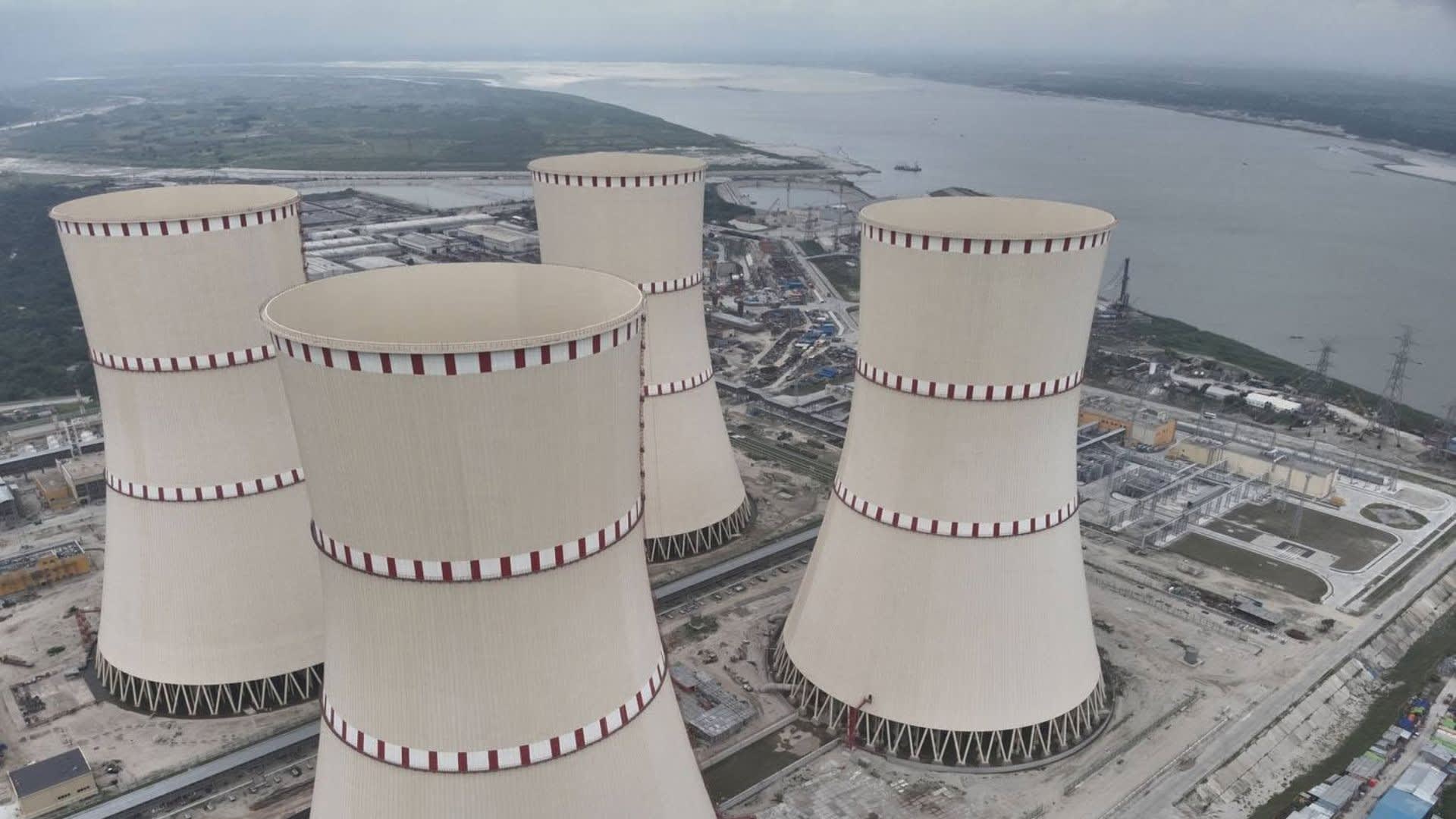
Under the revised 2027 orbital test plan, the agency may evaluate both SpaceX's Starship and Blue Origin's more traditional Blue Moon lander simultaneously. Just as strict engineering tolerances dictate the commissioning of major terrestrial energy projects like the Rooppur Nuclear Power Plant, NASA leadership has made it clear that deep-space vehicles will only fly when the hardware is fully mature. A catastrophic failure 380,000 kilometers from Earth would not only cost lives but likely paralyze the American space program for a decade.
Despite the engineering caution, the geopolitical clock is ticking loudly in Washington.
The United States is locked in a direct technological sprint with China, which maintains a firm target of landing its own taikonauts on the moon by 2030. While terrestrial strategic competitions currently dominate shipping chokepoints like the Bab el-Mandeb Strait, the new space race centers on establishing permanent footholds at the lunar south pole.
The southern polar region is highly coveted because its permanently shadowed craters contain ancient water ice. That ice can theoretically be mined and split into hydrogen and oxygen to produce breathable air and rocket propellant. In the long term, extracting local lunar water is the only economically viable way to turn the moon into a sustainable refueling station for future crewed missions to Mars.
Whichever nation successfully lands first, establishes the initial surface architecture, and secures access to those frozen resources will dictate the rules of lunar commerce and exploration for the rest of the century.
For now, NASA is holding the line on safety over speed. But with the Artemis III moon landing delay pushing the American return to 2028, the buffer between the United States and China has shrunk to a mere 24 months, leaving zero room for further aerospace setbacks.



Comments
0