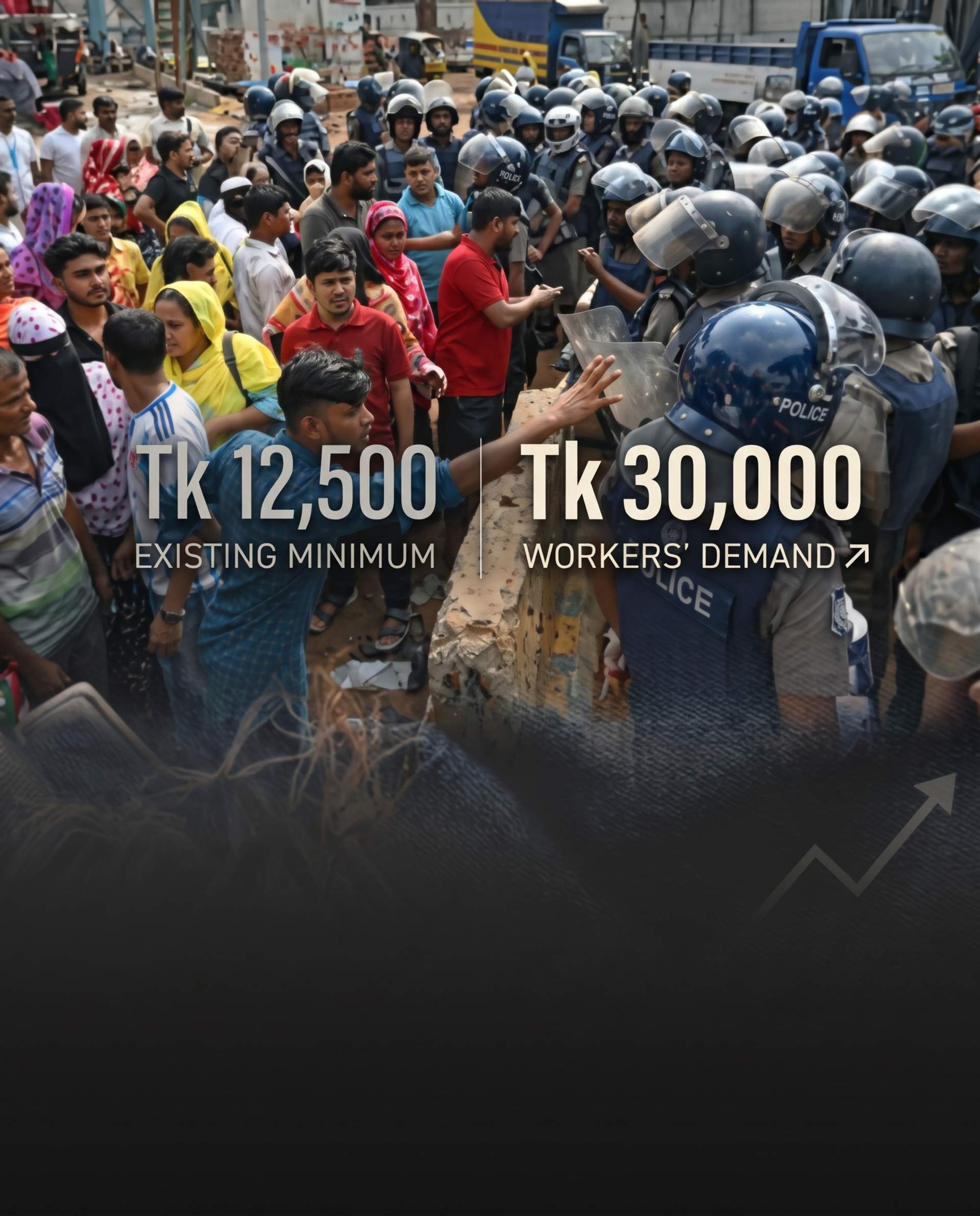
More than 100 factories in Bangladesh's Ashulia industrial zone suspended operations amid fresh garment-worker protests, as a wage board prepares a revised pay structure without yet determining the increase.
Private-sector credit growth slowed to 4.17% in September, remaining below 5% for seven months as high costs, energy shortages and business uncertainty weighed on borrowing and investment.
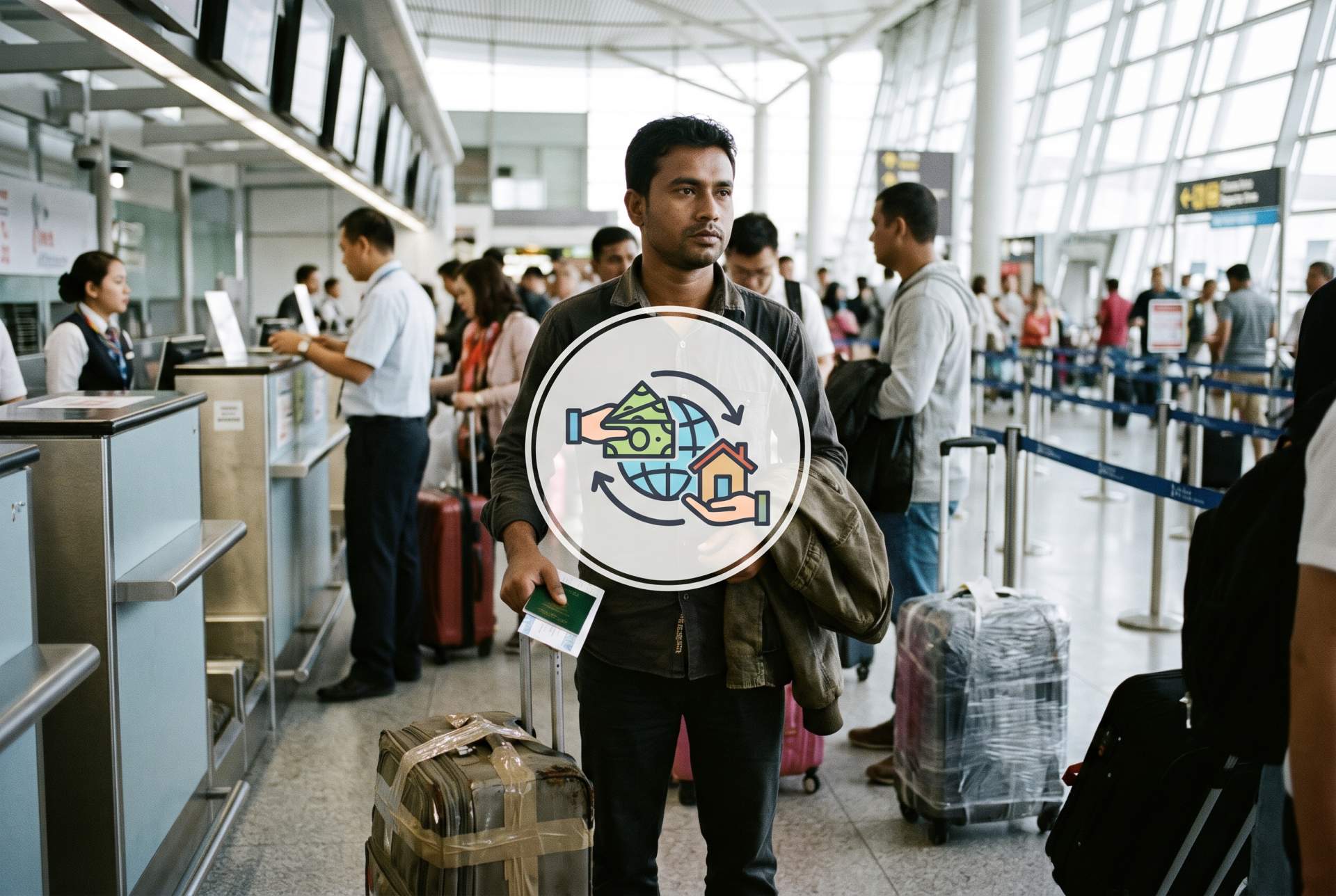
Remittances help millions of Bangladeshi families pay for food, education, healthcare and housing. Discover how money sent home by overseas workers supports local businesses, strengthens foreign-exchange inflows and contributes to Bangladesh's economic development.
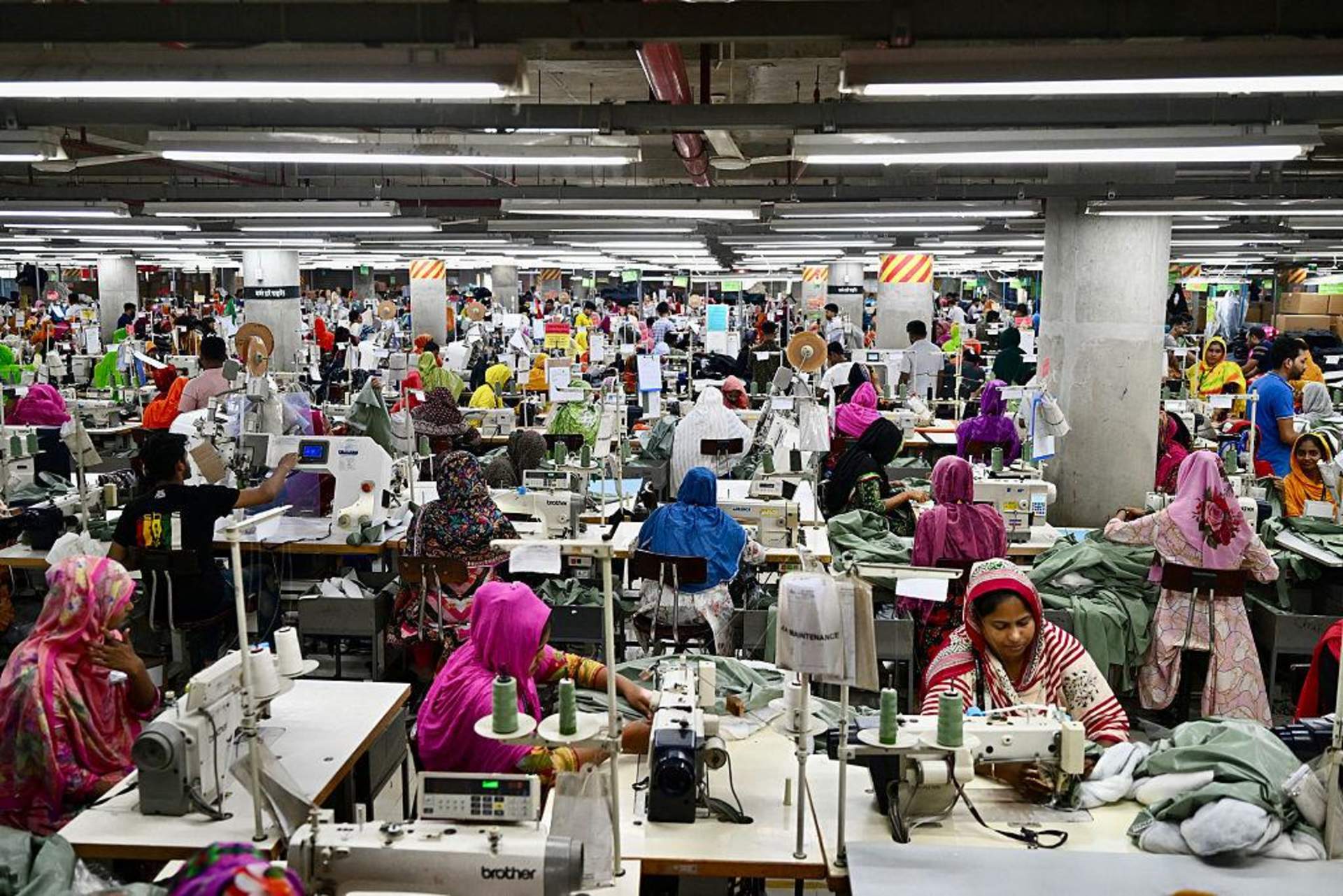
Bangladesh has secured a three-year extension before graduating from the UN’s least developed country category, giving exporters and policymakers more time to prepare for changes in international trade preferences.

Learn how inflation raises everyday prices, reduces purchasing power and affects household budgets. Explore the main causes of inflation, how it is measured, and what households, governments and central banks can do to manage its effects.
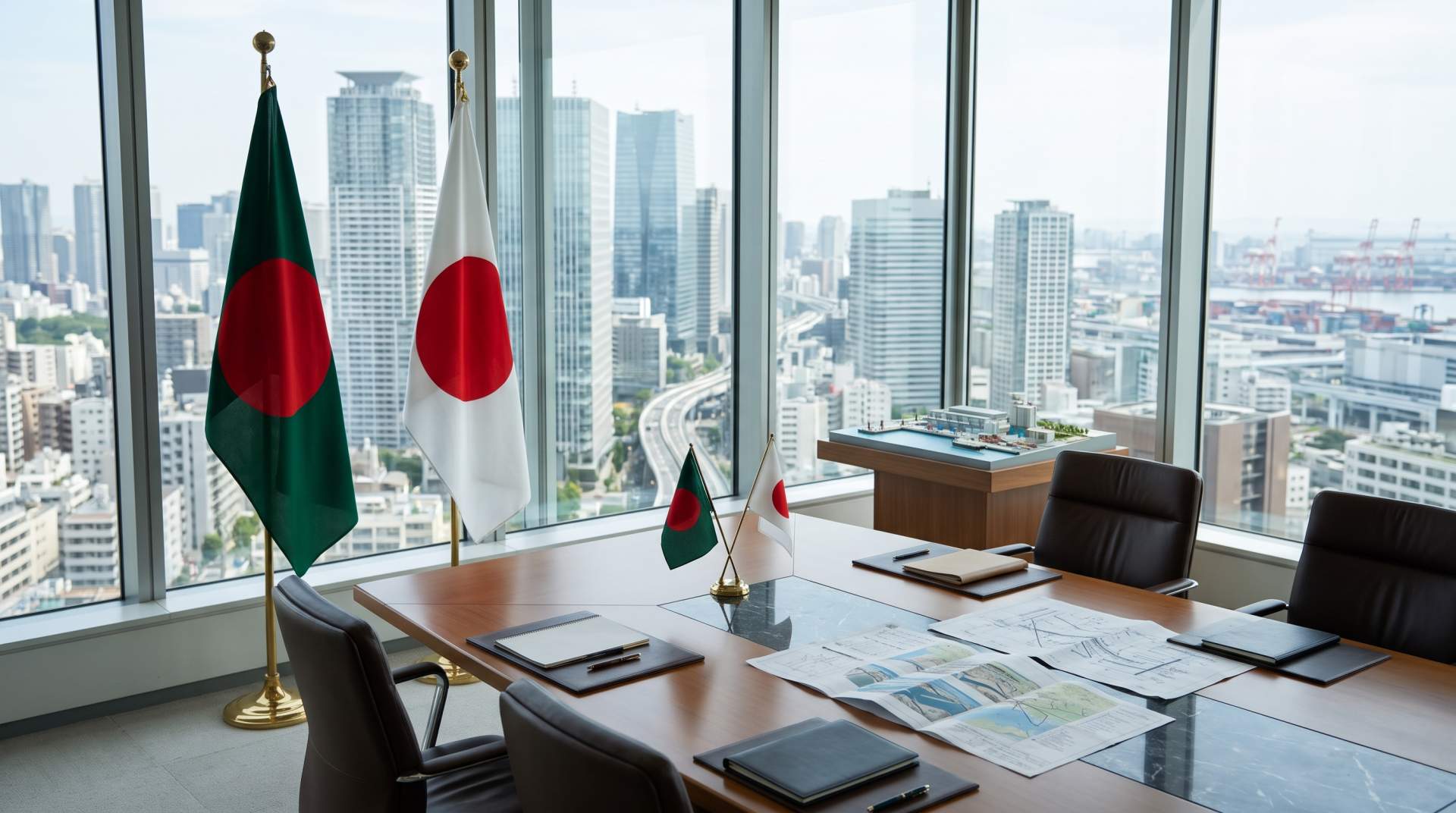
Bangladesh and Japan are targeting up to $6.34 billion in private investment over five years, with a potential 200,000 jobs as both countries expand cooperation in manufacturing, energy and technology.
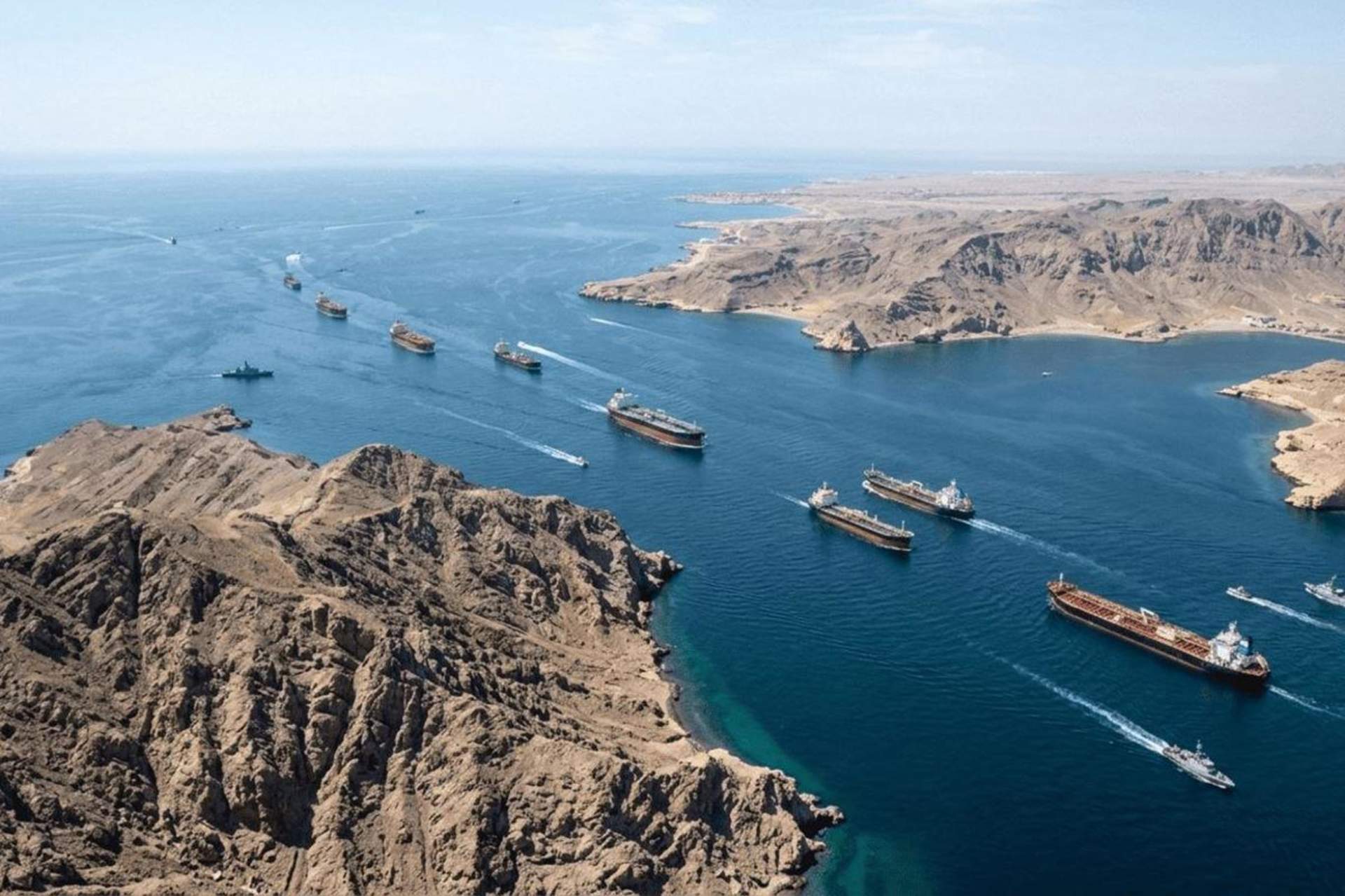
Oil prices eased as diplomatic efforts involving Iran raised hopes of reducing supply risks. Bangladesh remains vulnerable to elevated energy import costs, despite the latest decline.
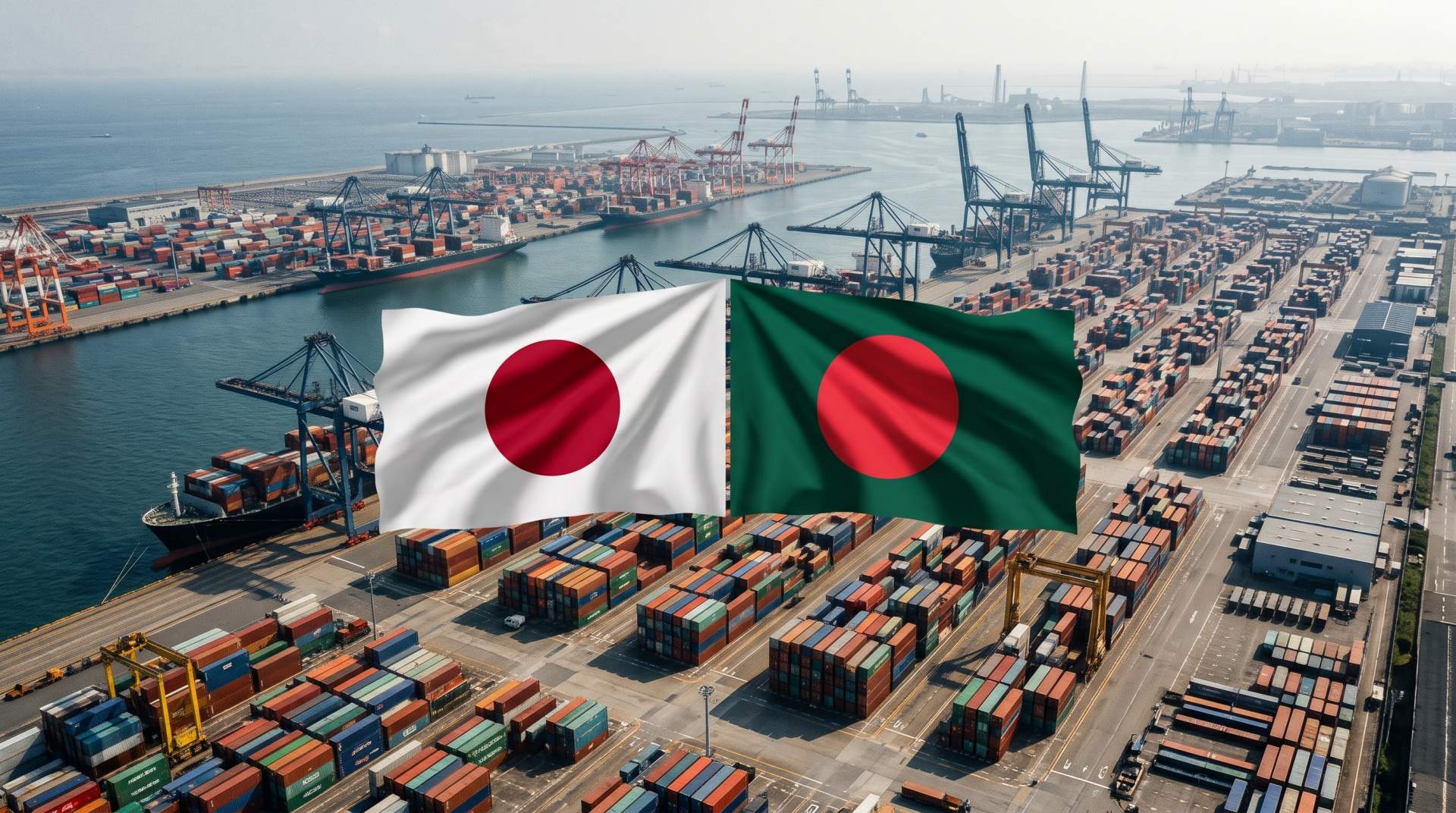
Bangladesh’s prime minister is visiting Japan to pursue investment, expand exports and create jobs. The key question is whether proposed billions in investment and cooperation can translate into measurable economic gains.
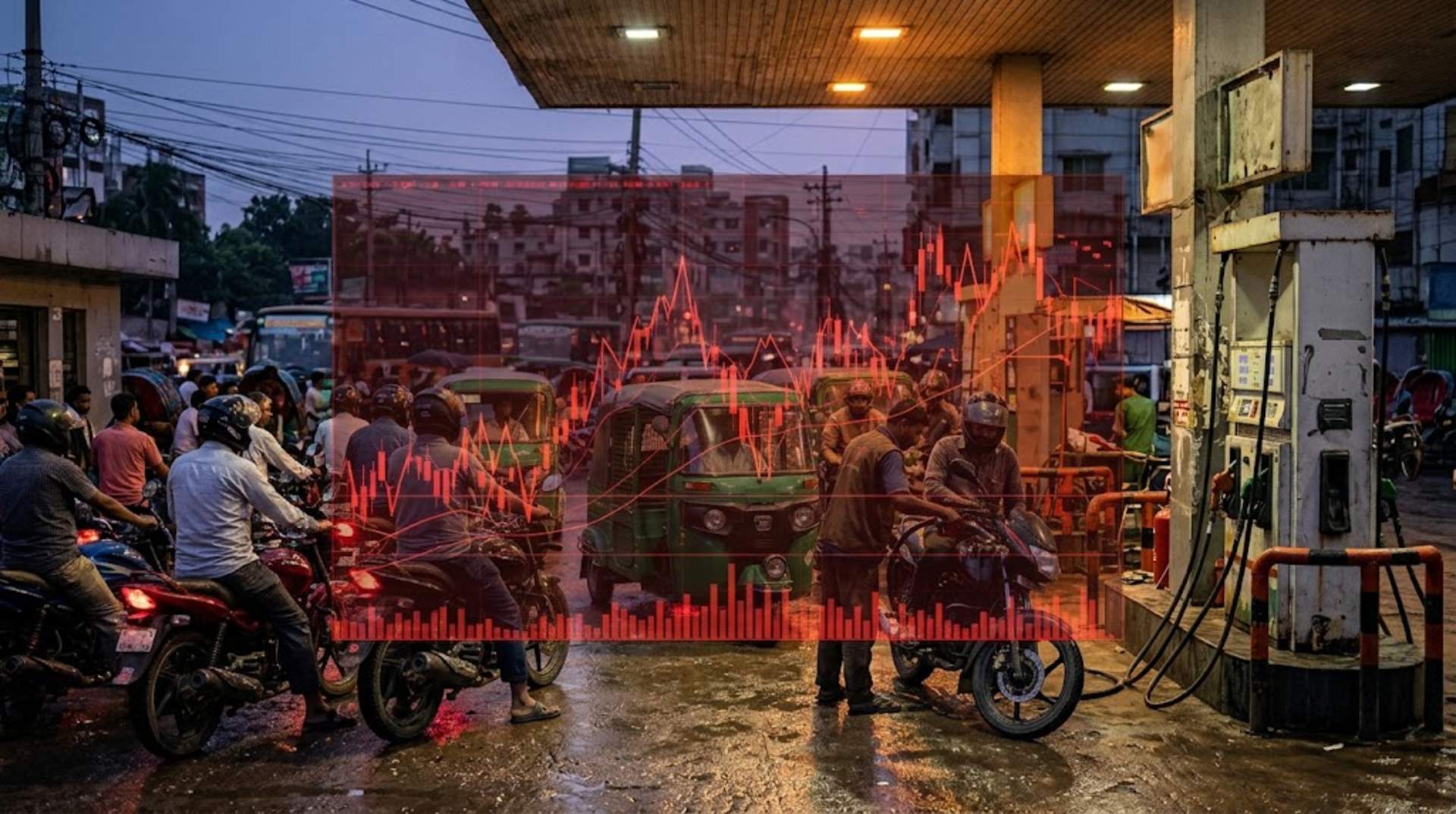
Brent crude hit $116.72 as Gulf attacks escalated. With remittance growth cooling and fuel prices already raised, Bangladesh’s reserves are holding, but the pressure is building.

