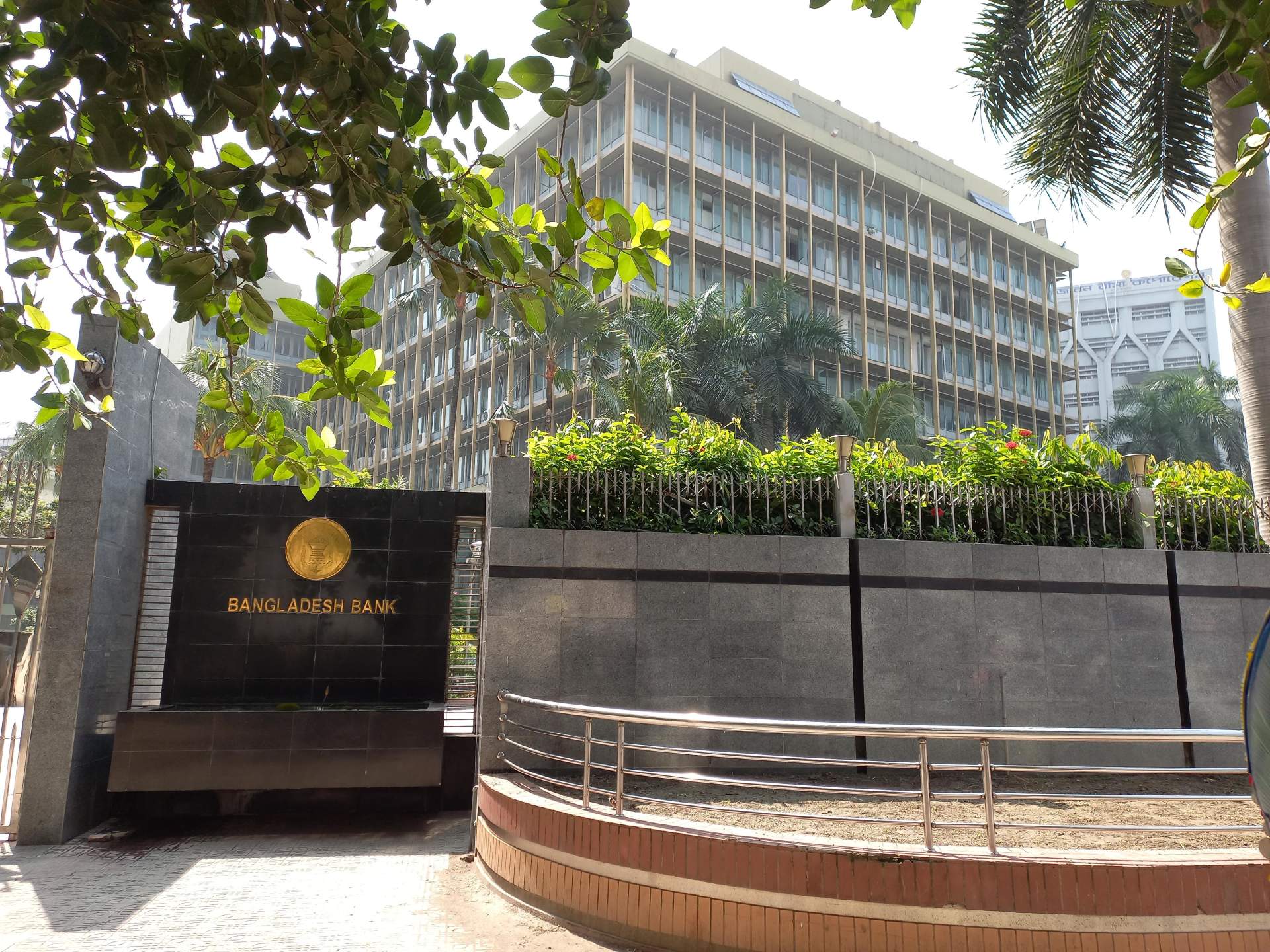
Private-sector credit growth slowed to 4.17% in September, remaining below 5% for seven months as high costs, energy shortages and business uncertainty weighed on borrowing and investment.

Learn how inflation raises everyday prices, reduces purchasing power and affects household budgets. Explore the main causes of inflation, how it is measured, and what households, governments and central banks can do to manage its effects.
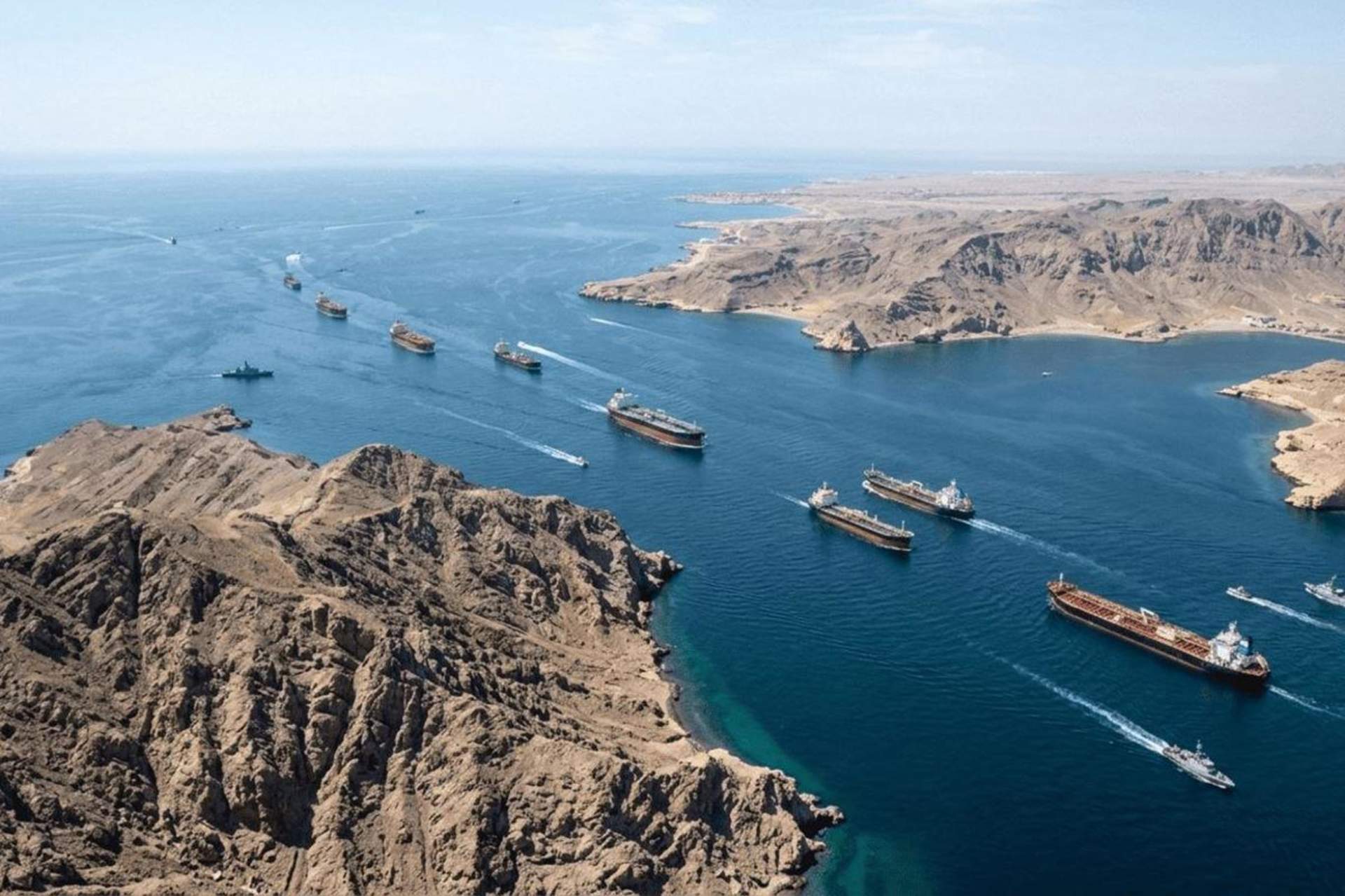
Oil prices eased as diplomatic efforts involving Iran raised hopes of reducing supply risks. Bangladesh remains vulnerable to elevated energy import costs, despite the latest decline.
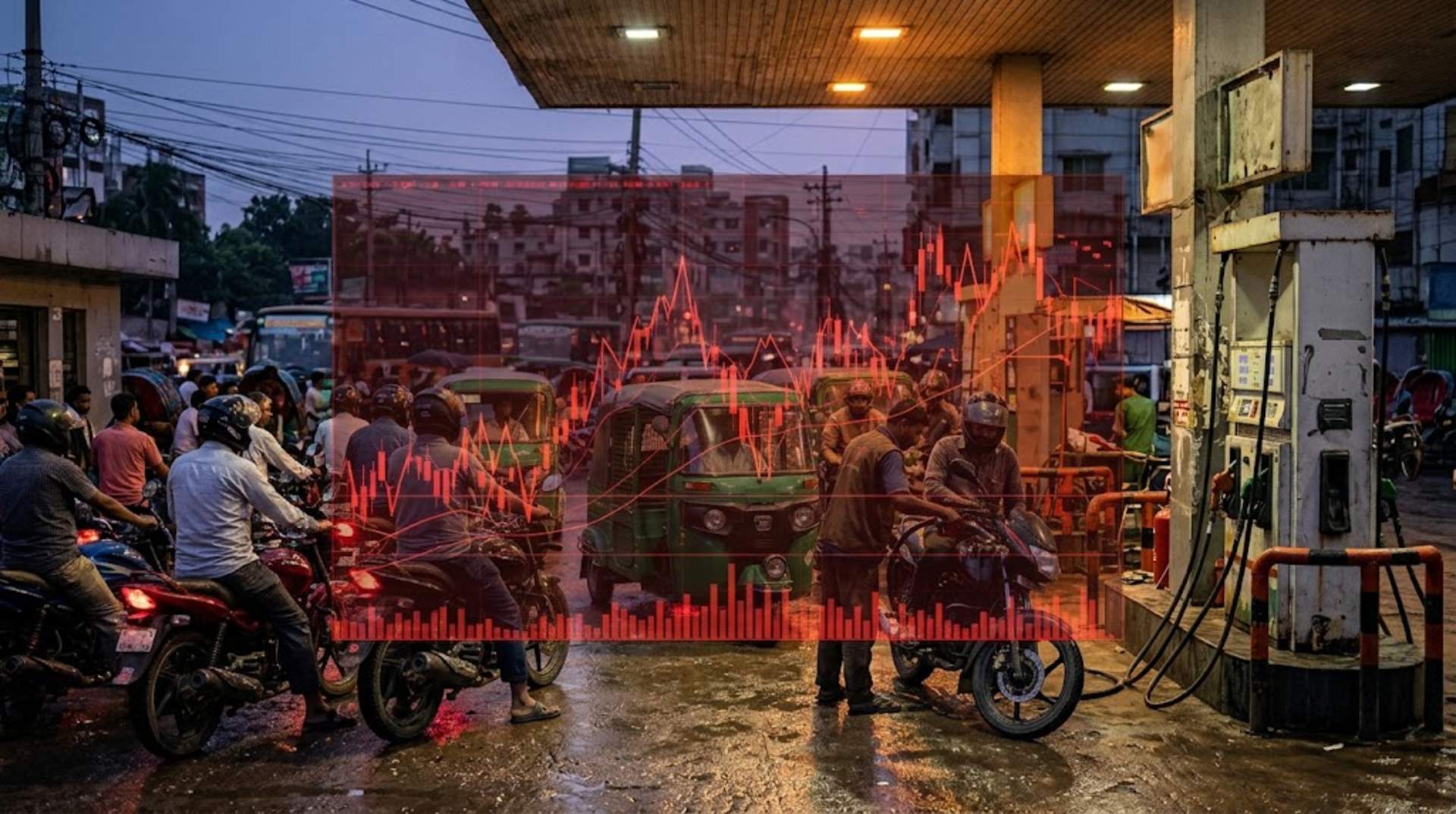
Brent crude hit $116.72 as Gulf attacks escalated. With remittance growth cooling and fuel prices already raised, Bangladesh’s reserves are holding, but the pressure is building.
Global oil prices rose above $110 a barrel for Brent crude as Middle East tensions heightened supply concerns. Here's how prolonged energy-price volatility could affect Bangladesh's imports, transport costs and households.
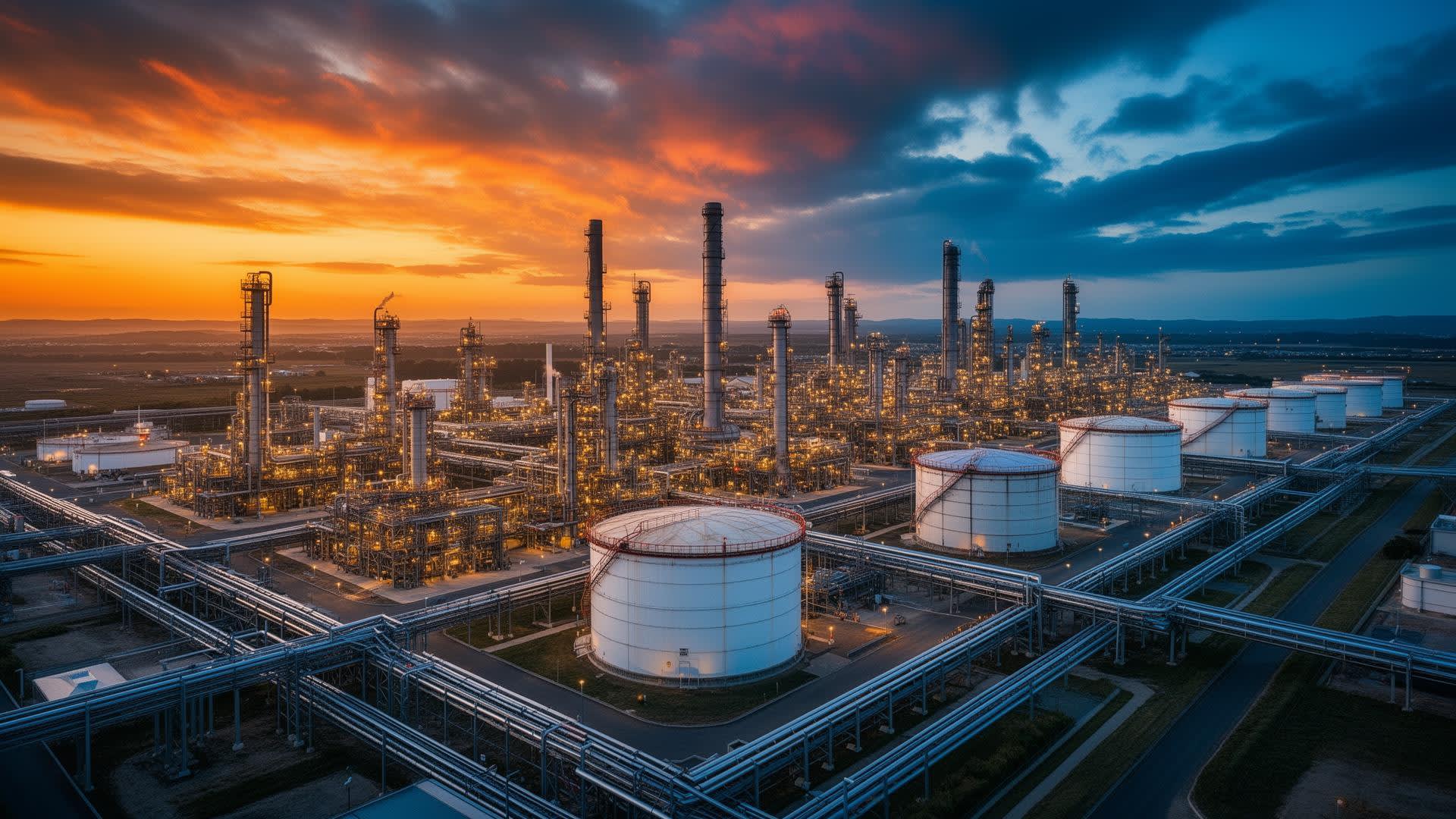
The IMF warns that rising energy costs, geopolitical conflict and AI-related financial risks could threaten global growth, with implications for Bangladesh.

The ECB lowered its benchmark deposit rate to 2.25 percent on Wednesday, shifting its monetary focus to rescue a stalling German manufacturing sector amid cooling inflation.

