


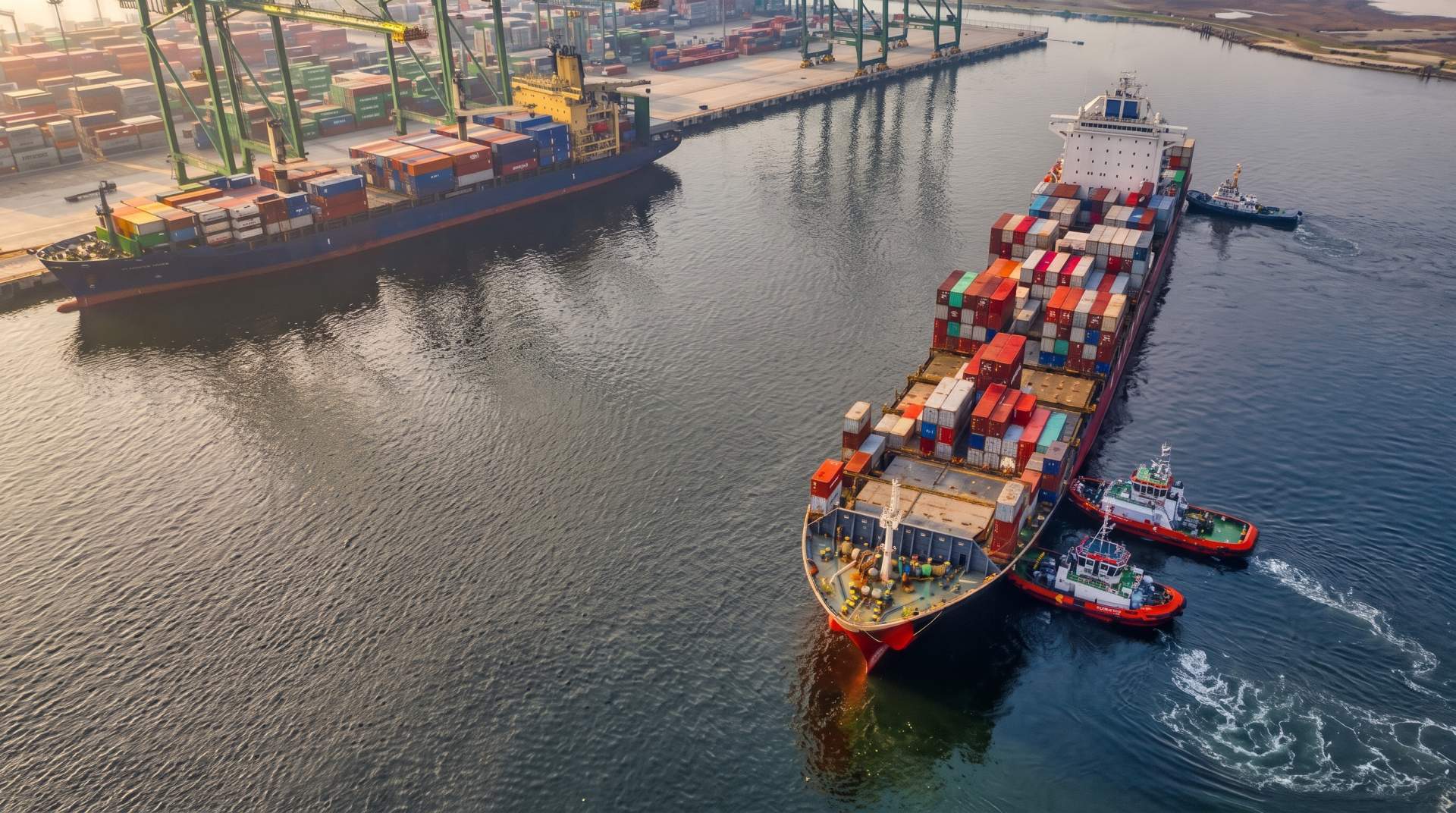
Bangladesh is seeking better access to Thailand’s market for its pharmaceuticals, jute and jute products as the two countries explore ways to expand trade and investment. A new direct shipping service between Chattogram and Thailand’s Ranong port could support those ambitions by reducing the time required to transport cargo between the two countries.
The proposals were discussed during the fourth Bangladesh–Thailand Foreign Office Consultations, held at Thailand’s Ministry of Foreign Affairs on October 30, 2026. Bangladesh Foreign Secretary Asad Alam Siam led the Bangladeshi delegation, while Thailand’s Permanent Secretary for Foreign Affairs, Eksiri Pintaruchi, headed the Thai side.
According to Bangladesh’s state news agency, BSS, Dhaka asked Thailand to import more Bangladeshi pharmaceuticals, jute and jute products. It also called for lower duties on Bangladeshi goods to make them more competitive in the Thai market and help narrow the bilateral trade gap.
Thailand expressed willingness to consider the proposals and expand bilateral trade and investment. Its delegation also called for an early start to discussions on a bilateral free trade agreement, or FTA. However, neither a tariff reduction nor an FTA was announced as an agreed outcome.
A faster shipping connection
One of the practical developments highlighted during the consultations was the launch of a direct shipping service between Chattogram and Ranong in September 2026.
The route is expected to reduce cargo transportation time from around 15 days to four, according to BSS reporting. Shorter transit times could help businesses plan shipments more efficiently and reduce some logistics costs, although the actual savings will depend on freight rates, port handling, customs procedures and service reliability.
For exporters of pharmaceuticals and jute products, more predictable shipping could make it easier to serve buyers in Thailand. But faster transportation alone cannot guarantee higher sales. Exporters must also meet product standards, secure distribution partners, understand Thai import requirements and compete on price and quality.
Why pharmaceuticals and jute matter
Bangladesh is looking to expand exports beyond its established markets and product categories. Pharmaceuticals and jute products offer different opportunities, but both require stronger commercial links with overseas buyers.
Pharmaceutical exporters must comply with Thailand’s regulatory requirements and demonstrate that their products meet applicable quality and registration standards. Any expansion will depend on product approvals, local distribution arrangements and competition from established suppliers.
Jute and jute-based products could appeal to buyers looking for natural-fibre materials, but commercial demand will depend on the specific product, its price and the requirements of individual industries. Lower import duties, if agreed, could improve competitiveness, but would not automatically create new customers.
The trade discussions therefore represent an opening for further negotiations rather than evidence that exports will immediately rise.
Cooperation extends beyond trade
The consultations also covered investment, connectivity, labour migration, agriculture, energy, education, training, culture and climate cooperation.
Bangladesh sought Thai technical assistance and investment in fruit and vegetable processing, as well as technology transfer to develop opportunities in the halal food market. It also requested expertise in generating electricity from agricultural residues and agro-industrial waste.
The two sides discussed memorandums of understanding, including possible cooperation on rice imports and workers’ migration. They also highlighted the need to address cross-border crime, including human trafficking, arms trafficking and online scams.
Bangladesh additionally sought Thailand’s support for its aspiration to become an ASEAN Sectoral Dialogue Partner and join the Regional Comprehensive Economic Partnership, a regional trade agreement involving economies across the Asia-Pacific.
What happens next?
The immediate test is whether the two governments can turn their proposals into concrete steps. Early negotiations on an FTA, progress on tariff questions and effective use of the Chattogram–Ranong shipping service would give businesses clearer opportunities to plan.
For Bangladesh, the objective is not simply to send more goods to Thailand. It is to build a more competitive export relationship, reduce barriers to market entry and create commercially sustainable links between producers and buyers.
The new shipping connection provides a practical starting point. Whether it delivers a lasting increase in trade will depend on the negotiations, logistics performance and demand that follow.



Comments
0