


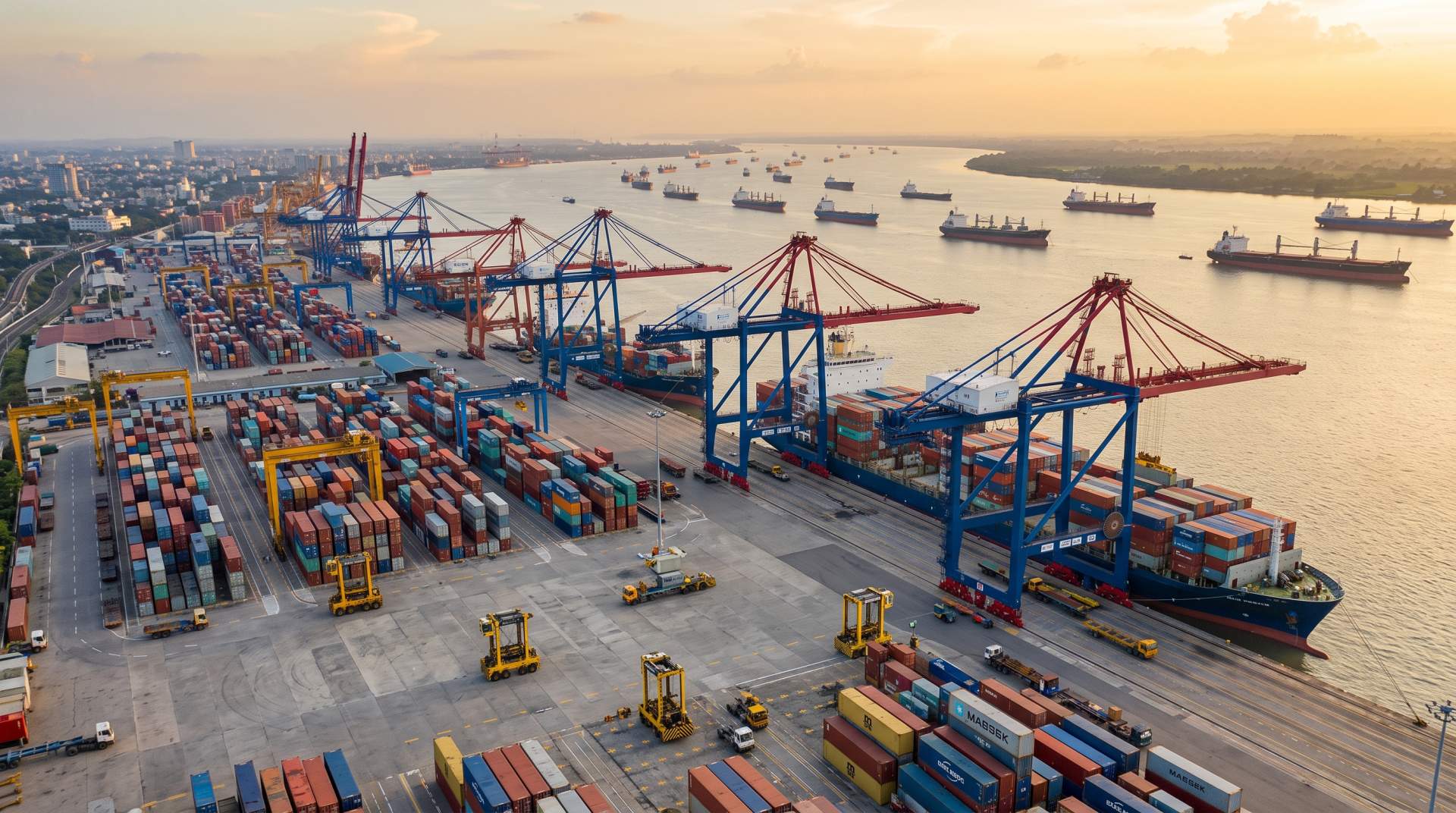
Over the span of 48 hours this week, the Bangladeshi government took two decisive steps toward handing the operational keys of its busiest shipping berths to foreign terminal giants. Together, the two facilities at the center of the push handle roughly 60 percent of all container traffic passing through the country’s main maritime gateway.
On Thursday, October 1, the Cabinet Committee on Economic Affairs granted in-principle approval for a 15-year concession allowing an international operator, proposed under a government-to-government framework as Dubai-based DP World, to upgrade, operate, and maintain the New Mooring Container Terminal (NCT) and its Overflow Container Yard. Less than a day later, reports confirmed that the Ministry of Shipping had issued a formal directive on September 28 instructing the Chattogram Port Authority (CPA) to begin the process of appointing Saudi Arabia’s Red Sea Gateway Terminal (RSGT) as the operator of the adjacent Chattogram Container Terminal (CCT).
The twin moves represent the biggest shake-up of Chattogram Port container terminals since containerized shipping arrived on the banks of the Karnaphuli River nearly five decades ago. For decades, the state-owned port authority resisted letting international logistics conglomerates run its core revenue-generating berths, relying instead on local private berth operators and public management.
Now, Dhaka is betting that bringing in operators from the United Arab Emirates, Saudi Arabia, and Europe will break the chronic congestion that slows down Bangladesh’s $50-billion-plus import and export trade. Port unions and political activist groups, however, see something very different: the privatization of profitable, state-built national assets without open competitive bidding.
How Chattogram Port Container Terminals Divide the Workload
To understand why the dispute over NCT and CCT has triggered such intense debate, it helps to look at how physical cargo actually moves along the Karnaphuli channel.
Although Chattogram Port handles more than 90 percent of Bangladesh’s seaborne trade, it does not operate as a single uniform dock. In calendar year 2025, the port logged its strongest operational performance on record, handling 3,409,069 twenty-foot equivalent units (TEUs, the standard size of a 20-foot shipping container), 138.15 million tonnes of total cargo, and 4,273 vessels, while generating a record Tk 5,460 crore in revenue.
That container volume is split across four active facilities, plus one major greenfield project currently under construction:
Terminal Facility | Share of 2025 Port Box Volume | Current Operational Status | Proposed Operator & Concession Model |
New Mooring Container Terminal (NCT) | ~44% | Operational since 2007; largest dedicated terminal, built with CPA funds | DP World (UAE); 15-year G2G PPP concession approved in principle on Oct 1, 2026 (IFC advising) |
General Cargo Berth (GCB) | ~36% | Legacy multi-purpose berths handling both bulk cargo and containers | Remains under Chattogram Port Authority (CPA) and local berth operators |
Chattogram Container Terminal (CCT) | ~16% | Operational dedicated container terminal located between NCT and GCB | Red Sea Gateway Terminal (Saudi Arabia); Shipping Ministry directed appointment process on Sept 28, 2026 |
Patenga Container Terminal (PCT) | ~4% | Operational since June 2024; handled 78 vessels and 154,564 TEUs in 2025 | Red Sea Gateway Terminal (Saudi Arabia); already operating under a 22-year concession |
Laldia Container Terminal (LCT) | Developing (Target 800,000 to 900,000 TEUs/year) | Groundbreaking held Aug 31, 2026; completion targeted for 2030 | APM Terminals (Netherlands/Denmark); 30-year PPP greenfield investment ($550M to $760M scope) |
As the numbers show, NCT and CCT are the workhorses of the port’s dedicated container infrastructure. NCT alone processed roughly 44 percent of Chattogram’s containers in 2025, while CCT handled about 16 percent.
Until 2024, no foreign company operated a terminal in Bangladesh. That changed in June 2024 when Saudi Arabia’s RSGT, whose flagship operation runs the largest terminal at Jeddah Islamic Port, began operating the newly built Patenga Container Terminal (PCT) under a 22-year concession. In 2025, its first full calendar year, Patenga handled 78 ships and 154,564 TEUs, accounting for nearly 4 percent of the port’s box traffic.
Meanwhile, on August 31, 2026, Maersk subsidiary APM Terminals broke ground on the Laldia Container Terminal, a greenfield public-private partnership (PPP) designed to add between 800,000 and 900,000 TEUs of annual capacity by 2030 using electric rubber-tired gantry cranes and shore-power infrastructure.
If the government completes both the DP World deal for New Mooring and the RSGT deal for Chattogram Container Terminal, all three of the port’s currently operating dedicated container terminals, representing roughly 64 percent of total container throughput, will be managed by Middle Eastern port operators. Only the older General Cargo Berth (GCB), which handles about 36 percent of container volume alongside bulk shipments, would remain under traditional domestic operation.
Why Dhaka Wants Global Port Operators Now
The government’s push to bring in DP World and expand RSGT’s footprint is driven by a blunt logistical reality: Bangladesh’s export factories have outgrown the speed of its docks.
In the World Bank’s Container Port Performance Index (CPPI), which ranks global ports based on how many hours a container ship spends in port to load and unload cargo, Chattogram has consistently ranked near the bottom, placing 337th out of 405 ports worldwide in the 2023 and 2024 assessments. While regional competitors such as Colombo, Tanjung Pelepas, and Vietnamese deep-water ports turn vessels around in less than 24 hours, ships calling at Chattogram frequently wait more than three days to complete cargo operations.
Part of that handicap is geographical. Located along a shallow, winding river estuary with draft limits that generally restrict vessels to around 9.5 to 10 meters in depth and under 200 meters in length, Chattogram cannot accommodate the giant 15,000-to-24,000-TEU mother vessels that cross the Pacific or sail to Europe. Instead, Bangladesh relies on smaller feeder ships that shuttle boxes to transshipment hubs in Singapore, Colombo, and Port Klang.
Yet maritime economists point out that geography explains only half the delay. The other half comes down to terminal management, yard congestion, customs scanning bottlenecks, and equipment downtime.
For Bangladesh’s readymade garment (RMG) industry, which drove national merchandise exports up 8.54 percent year-on-year in September 2026 to $3.93 billion, every wasted day at the port erodes competitiveness. Average apparel supply lead times from Bangladesh already hover near 90 to 95 days, noticeably slower than competitors in Vietnam or Turkey.
Those lead times have become even more critical this autumn. As BANGLADESHIST recently reported in our analysis of how the EU greenwashing ban tests Bangladesh’s green garment factories, European fashion retailers have been prohibited since July 19, 2026 from destroying unsold clothing stock. Rather than placing massive, speculative bulk orders six months in advance, European buyers are shifting toward smaller initial batches and rapid in-season reorders. A garment factory in Gazipur cannot win a four-week reorder contract if its fabric imports sit at the Chattogram outer anchorage for five days and its finished shirts lose another four days waiting for a crane at the berth.
By bringing in DP World, with the International Finance Corporation (IFC) acting as transaction adviser for the NCT concession, and expanding RSGT’s role into CCT, the Ministry of Shipping hopes to import global terminal operating software, automated yard tracking, predictive crane maintenance, and direct scheduling relationships with major global shipping lines.
The Backlash: Greenfield Investment vs. Running Ready Terminals
If modernizing Chattogram Port container terminals is so urgent for exporters, why is the plan facing fierce local resistance?
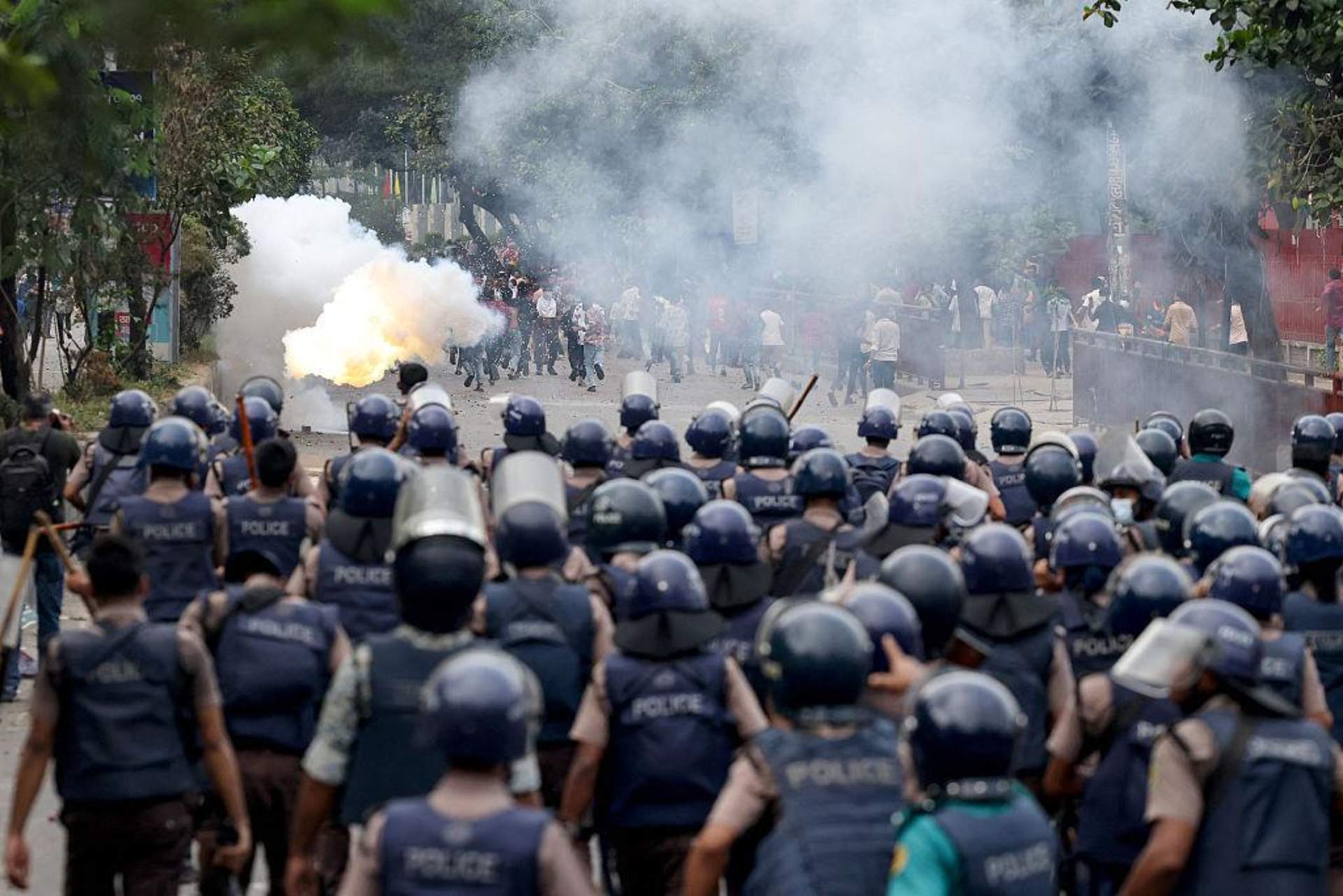
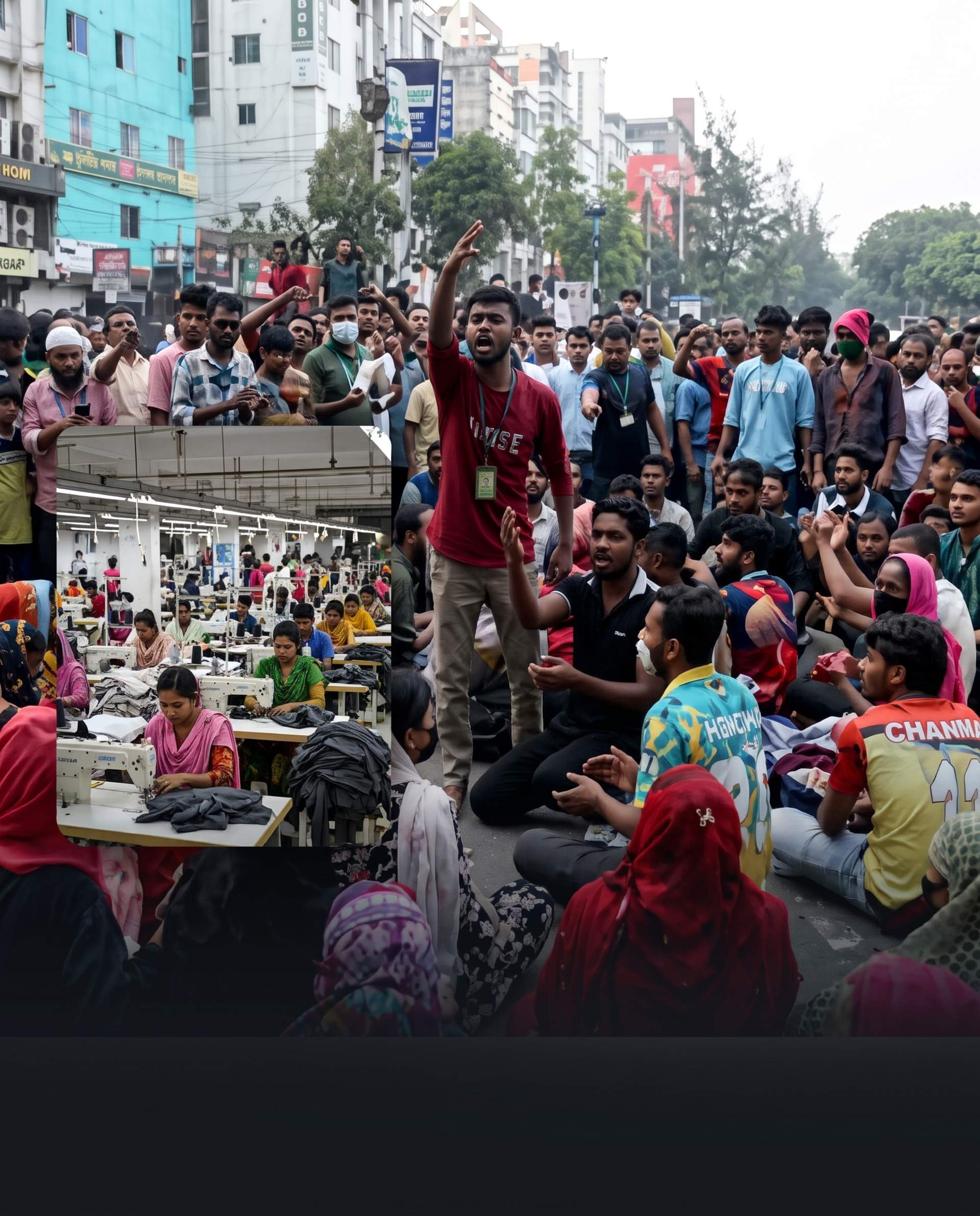
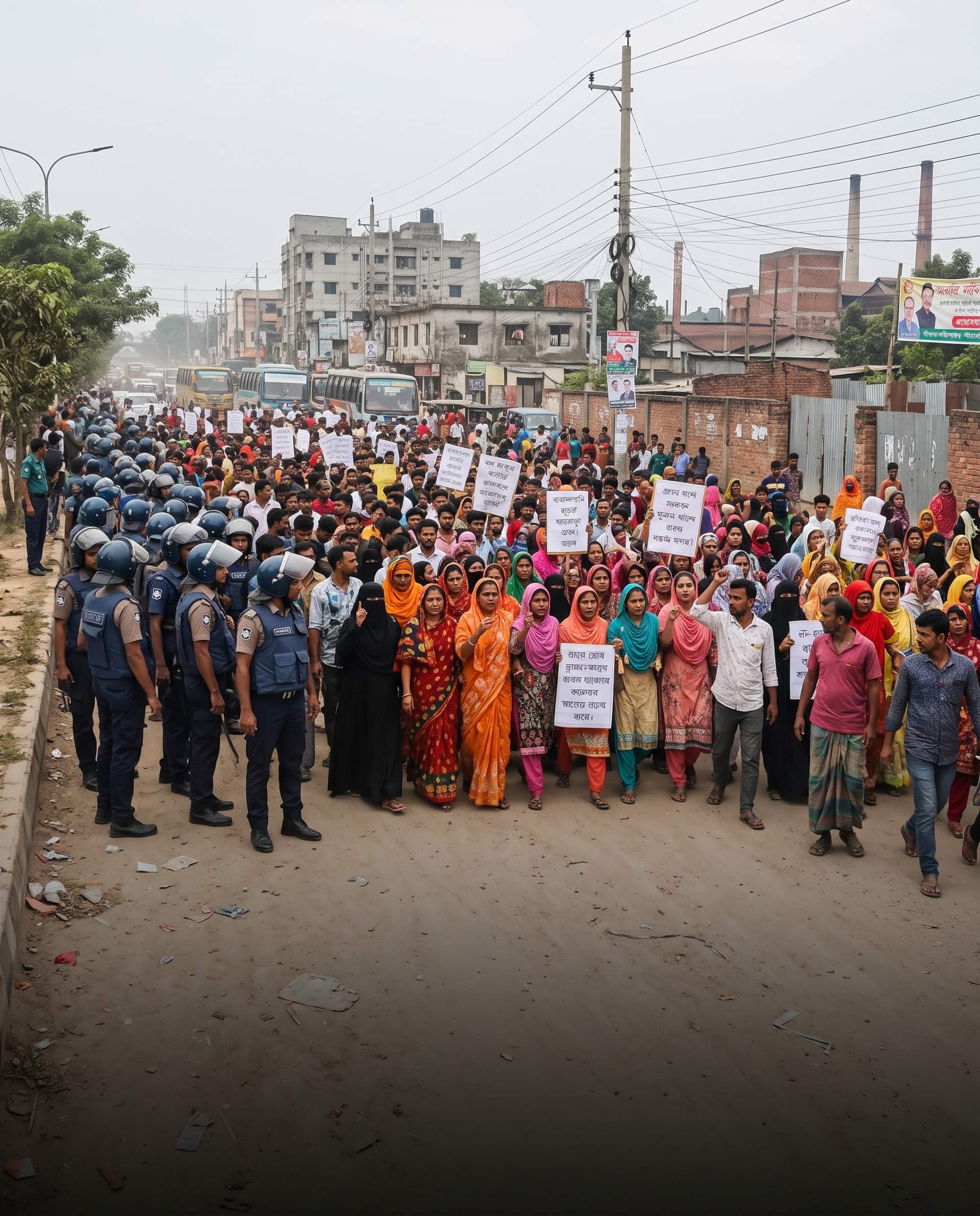
On Saturday, October 3, the Chattogram Bandar Rokkha Committee (Chattogram Port Protection Committee) announced a protest sit-in for Monday, October 5, warning that it will launch tougher agitation programs unless the government cancels the initiatives to lease out NCT and CCT. Earlier protests and hunger strikes in July and August raised similar objections from port workers, local stevedoring firms, and trade unions.
The core objection is not against foreign investment in general, but against the difference between a greenfield project and a brownfield handover.
When APM Terminals signed on to build the Laldia Container Terminal, or when RSGT equipped the newly built Patenga terminal, those projects involved equipping new berths that expanded the port’s physical footprint. In contrast, the New Mooring Container Terminal has been running since 2007, and the Chattogram Container Terminal is an established facility right beside it. Over the past 18 years, the Chattogram Port Authority has already spent thousands of crores of taka from its own surplus funds to build the NCT quay walls, pave the container yards, and purchase ship-to-shore gantry cranes.
Critics argue that handing over an already profitable, fully functional terminal to a foreign operator under an unsolicited government-to-government deal forces the state to share revenue on an asset Bangladeshi taxpayers and port users already paid to build.
There are also questions about transparency and pricing terms:
Unresolved financial obligations at CCT: While RSGT previously floated a proposal to invest roughly $1 billion across CCT and the General Cargo Berth, the Shipping Ministry’s September 28 letter directing the port authority to begin appointing RSGT for CCT did not specify the concession tenure, revenue-sharing ratio, or mandatory capital investment requirements. Officials say those terms will be worked out during the PPP negotiation phase.
Dollar-denominated tariff pressures: Foreign terminal operators typically recover their capital investments and repatriate profits in US dollars. Local shipping agents worry that transitioning 60 percent of the port’s container capacity to international operators could lead to higher terminal handling charges at a time when domestic businesses are already squeezed. Just as we saw in our coverage of how Bangladesh coal power overtook gas generation amid $24-per-MMBtu spot LNG costs and a September dip in monthly remittance inflows to an 11-month low of $2.76 billion, Bangladesh’s foreign-exchange reserves remain sensitive to any new dollar outflows.
Market concentration risk: If RSGT takes over CCT while already running Patenga (PCT) under a 22-year deal, and DP World takes over NCT for 15 years, container handling at Bangladesh’s main trade gateway will rapidly consolidate into a duopoly of two Gulf-backed operators.
Landlord Port or Private Monopoly?
Government officials and PPP authorities counter that leasing out terminal operations does not transfer ownership of Chattogram Port. Instead, it moves Bangladesh toward the "landlord port" model used by almost every major maritime hub in the world, including Rotterdam, Singapore, Antwerp, and nearby Indian ports.
Under a landlord port structure, the state port authority retains ownership of the land, river channel, breakwaters, and regulatory oversight, while specialized terminal companies compete to move containers across the quay as fast as possible under strict performance contracts.
Whether that model delivers lower logistics costs for Bangladesh depends entirely on the fine print of the concession contracts that the Public-Private Partnership Authority, the IFC, and the Chattogram Port Authority negotiate over the coming months.
To make the handover of Chattogram Port container terminals work for the broader economy rather than just the operators' balance sheets, Dhaka’s negotiators face three clear benchmarks:
Bind concessions to hard productivity targets: Any contract with DP World for NCT or RSGT for CCT must mandate measurable increases in gross crane moves per hour and reductions in average vessel turnaround time, backed by financial penalties if efficiency targets are missed.
Publish transparent investment and tariff caps: Before signing final concession agreements, the Shipping Ministry should disclose exactly how much fresh capital each foreign operator is legally required to invest in new gantry cranes, yard automation, and dredging, while capping handling charges so exporters do not face sudden tariff shocks.
Modernize customs and hinterland links in parallel: Even the fastest terminal operator in Dubai or Jeddah cannot clear a container yard if customs paperwork stalls or highway trucks are backed up on the Dhaka-Chattogram corridor. Extending 24/7 customs clearance, completing automated online bill payments, and expanding rail container haulage must move in lockstep with terminal concessions.
Chattogram Port’s record 3.41 million TEUs in 2025 proved how much trade volume Bangladesh generates even under strained infrastructure. As protesters gather in Chattogram on October 5 and contract negotiators sit down with Dubai and Riyadh, the real test for Dhaka is proving that bringing global operators onto its busiest docks will make Bangladeshi trade faster, cheaper, and more transparent.

Comments
0