


Cyclone Arnab has left parts of India’s eastern coast dealing with damaged electricity infrastructure, flooded farmland and disrupted transport after the powerful storm made landfall in Andhra Pradesh on Wednesday, October 28.
By Thursday, October 29, authorities were working to restore electricity and clear damaged roads. More than 180,000 people had been evacuated across Andhra Pradesh and neighbouring Odisha before the cyclone arrived, according to Reuters reporting.
The storm’s immediate danger has eased as it moved inland and weakened, but its effects are continuing to disrupt daily life in affected communities.
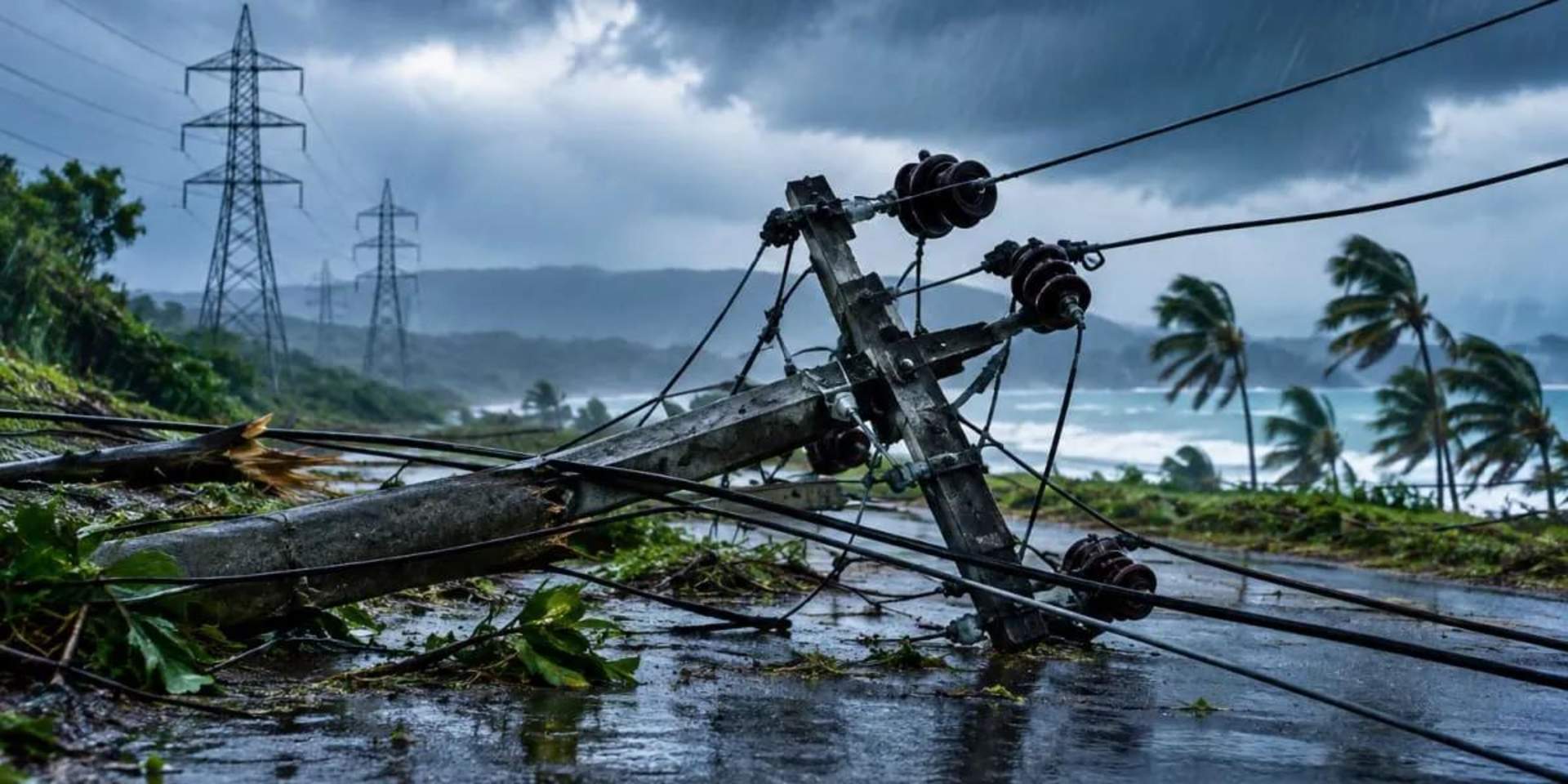
Thousands of electricity poles damaged
One of the clearest signs of the storm’s impact is the damage to the electricity network. Andhra Pradesh Chief Minister N. Chandrababu Naidu said approximately 15,000 electricity poles had been damaged, leaving communities without power.
Supply had been restored in most districts by Thursday, although restoration work continued in Konaseema and West Godavari. Damaged poles and power lines complicate recovery because repair teams must work safely in areas where strong winds, rain and fallen trees have affected access.
The disruption also highlights how a major storm can affect essential services long after its strongest winds have passed. Electricity supports household needs, communications, water systems and the operation of businesses. Prolonged outages can therefore create additional difficulties for residents already dealing with damaged homes or flooded land.
Death toll and damage assessments remain developing
The cyclone has caused deaths and property damage, although reported casualty figures have differed between sources.
Reuters reported an official death toll of six on Thursday, while local media cited higher figures. Andhra Pradesh officials have also reported fatalities in separate cyclone-related incidents. The final confirmed toll may change as authorities reconcile reports from affected districts.
The storm damaged homes, roads, trees and electricity infrastructure. Agricultural losses are another concern, particularly in coastal districts where heavy rainfall and strong winds affected farmland and horticultural production.
A full picture of the economic damage will depend on detailed assessments of damaged houses, disrupted businesses, lost crops and the cost of restoring public infrastructure.
Why early evacuation mattered
Authorities moved more than 180,000 people to safer locations across Andhra Pradesh and Odisha before landfall. Schools closed in some areas, while some train and flight services were cancelled.
Advance preparations also included the deployment of disaster-response teams and arrangements to restore electricity after the storm. The scale of the evacuation demonstrates the importance of acting before a cyclone reaches the coast, when strong winds and flooding can make movement much more dangerous.
Naidu credited advance planning, monitoring and the use of weather information and satellite imagery with helping authorities limit the impact. That assessment comes from the state government; a complete evaluation of the response will require a fuller review of casualties, damage and the effectiveness of emergency measures.
What happens next?
The immediate priorities are restoring essential services, clearing roads, checking damaged infrastructure and assessing losses in agriculture and housing.
Electricity restoration is particularly important in the districts where supply remains disrupted. Officials must also ensure that damaged electrical equipment and fallen power lines do not create further risks for residents and recovery workers.
For farmers, the consequences will depend on how much standing crop was damaged, whether fields remain waterlogged and how quickly normal transport and market access return. For households, the speed of recovery will depend on the condition of their homes and the availability of assistance.
The cyclone’s passage is therefore only the first stage of the emergency. The longer recovery will depend on the extent of the damage, the speed of repairs and the support available to affected communities.
Comments
0