


The global economy is continuing to grow, but rising energy costs, geopolitical tensions and uncertainty surrounding artificial intelligence are making the outlook more fragile, the International Monetary Fund warned this week.
In its October 2026 World Economic Outlook, released during the IMF and World Bank annual meetings in Bangkok, the fund projected global economic growth of 3.1% in 2026 and 3.4% in 2027. However, those headline figures mask a growing divide between economies benefiting from technology investment and countries struggling with higher energy and commodity costs.
The IMF identified two powerful forces shaping the outlook: the economic boost from investment in artificial intelligence and the drag created by the war-driven increase in energy prices. Together, they are influencing inflation, investment, trade and the prospects for countries that rely heavily on imported fuel.
For Bangladesh, the warning comes at a difficult time. The country raised domestic fuel prices in September following increases in international oil and shipping costs, while businesses and households remain exposed to changes in transportation, electricity and production expenses.
Source: IMF, Reuters, bdnews24.com
Why the global outlook is becoming more complicated
The IMF's latest assessment points to an economy that has proved more resilient than some earlier expectations suggested. But resilience does not mean that every country, business or household is equally protected from new shocks.
Technology investment, particularly in AI infrastructure, has supported economic activity and demand for computing equipment. Companies are spending heavily on chips, data centres and related infrastructure, creating opportunities for technology suppliers and economies connected to those supply chains.
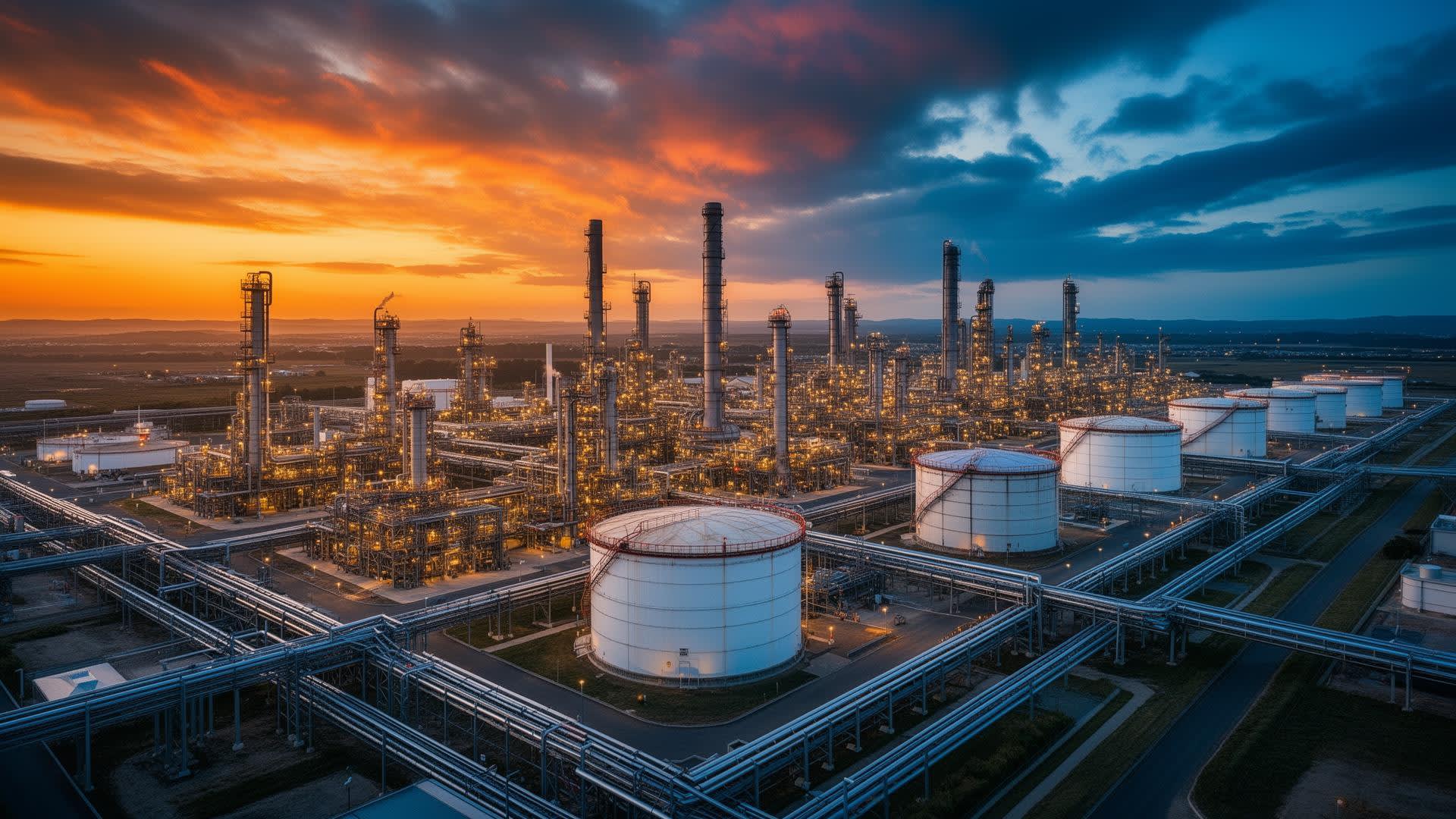
At the same time, higher energy prices are increasing costs across the wider economy. Oil is an essential input for transportation, manufacturing, agriculture and international logistics. When crude prices rise, the consequences can spread well beyond petrol stations and fuel importers.
The IMF's October outlook puts global inflation at 4.7% for 2026, with higher energy and food prices contributing to the pressure, according to the fund's briefing on the report.
That creates a difficult policy challenge. Central banks must consider whether inflation will remain elevated, while governments must balance the cost of supporting households and businesses against the need to maintain sustainable public finances.
Higher borrowing costs can also discourage investment and increase debt-servicing expenses. For countries that already face limited fiscal room, another period of expensive energy and financing could make economic management more difficult.
AI investment is supporting growth, but risks remain
Artificial intelligence has become an important source of investment and commercial optimism. Demand for advanced processors, cloud computing and data-centre capacity has benefited parts of the global technology industry.
However, the IMF has also warned about financial vulnerabilities beneath the strong performance of global markets.
In its October 2026 Global Financial Stability Report, the fund identified three major risks: a correction in AI-related asset prices if investment or expected profits disappoint, a sharp increase in government bond yields driven by inflation or fiscal concerns, and cyber incidents capable of disrupting financial services.
These risks could reinforce one another. For example, if investors begin to doubt the profitability of expensive AI projects, technology valuations could fall. If that coincides with higher borrowing costs, companies dependent on continued financing could face additional pressure.
This does not mean an AI-driven market correction is inevitable. The distinction is important: the IMF is identifying vulnerabilities and possible sources of instability, not predicting that a crash must occur.
For policymakers and investors, the central question is whether the returns from the current wave of AI spending will justify the capital being committed.
The technology could deliver substantial productivity gains over time. But those benefits will not necessarily arrive evenly across countries or industries, and companies may struggle if their investments generate less revenue than expected.
What the warning means for Bangladesh
Bangladesh is particularly exposed to global energy prices because it imports fuel and other essential commodities. Higher international costs can place pressure on foreign-exchange demand, domestic prices and the finances of businesses that depend on transportation and energy.
The effects are already visible in the country's fuel-pricing decisions. On 20 September, Bangladesh increased the prices of diesel, octane, petrol and kerosene by Tk 20 per litre. The government subsequently kept the higher prices unchanged for October.
Diesel rose from Tk 115 to Tk 135 per litre, while octane increased from Tk 145 to Tk 165. The September adjustment followed rising international fuel prices amid the conflict in West Asia, according to reporting by bdnews24.com.
The impact can extend beyond motorists. Diesel is important for freight transportation, agricultural machinery and other economic activities. When operating costs rise, transport operators and producers may face pressure to increase prices, reduce margins or postpone investment.
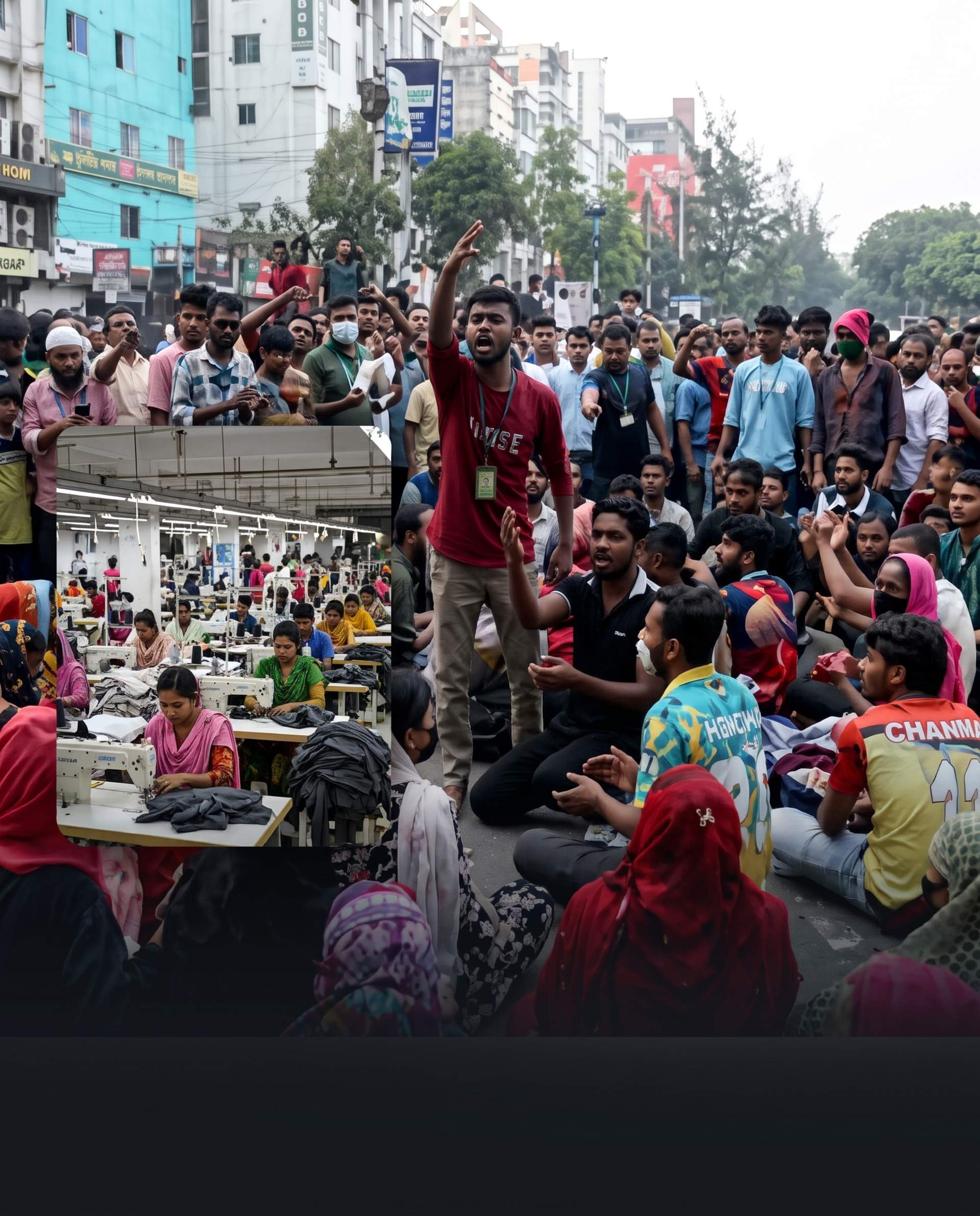
The garment industry is another area to watch. Bangladesh's export manufacturers compete internationally, often with limited room to absorb unexpected increases in energy and logistics expenses. Sustained cost pressure could complicate decisions about production, hiring and expansion.
These are potential transmission channels rather than proof that every sector will experience the same impact. The actual outcome will depend on global oil prices, domestic policy, exchange-rate conditions and how long the disruption continues.
What happens next?
Three developments will be especially important to monitor: the direction of international oil prices, the response of major central banks to inflation, and whether AI-related investment continues to generate the earnings investors expect.
For Bangladesh, the immediate concern is whether elevated global energy costs persist long enough to create further pressure on imports, inflation and public finances. Any sustained improvement in energy markets could provide relief, while renewed disruptions could make economic planning more difficult.
The government will also face the challenge of balancing affordable energy with the financial cost of managing fuel supplies. Measures that protect consumers can provide short-term relief, but their effectiveness depends on the available fiscal resources and the duration of the shock.
The broader lesson from the IMF's assessment is that headline growth figures do not tell the whole story. An economy can expand while facing greater financial risks, uneven investment opportunities and rising costs for households.
For Bangladesh and other energy-importing economies, the combination of geopolitical uncertainty and rapidly changing technology makes the quality of growth as important as its pace.
The global economy has not stopped growing. The question is whether it can sustain that growth without allowing energy shocks, financial vulnerabilities and uneven technological gains to undermine the outlook.



Comments
0