


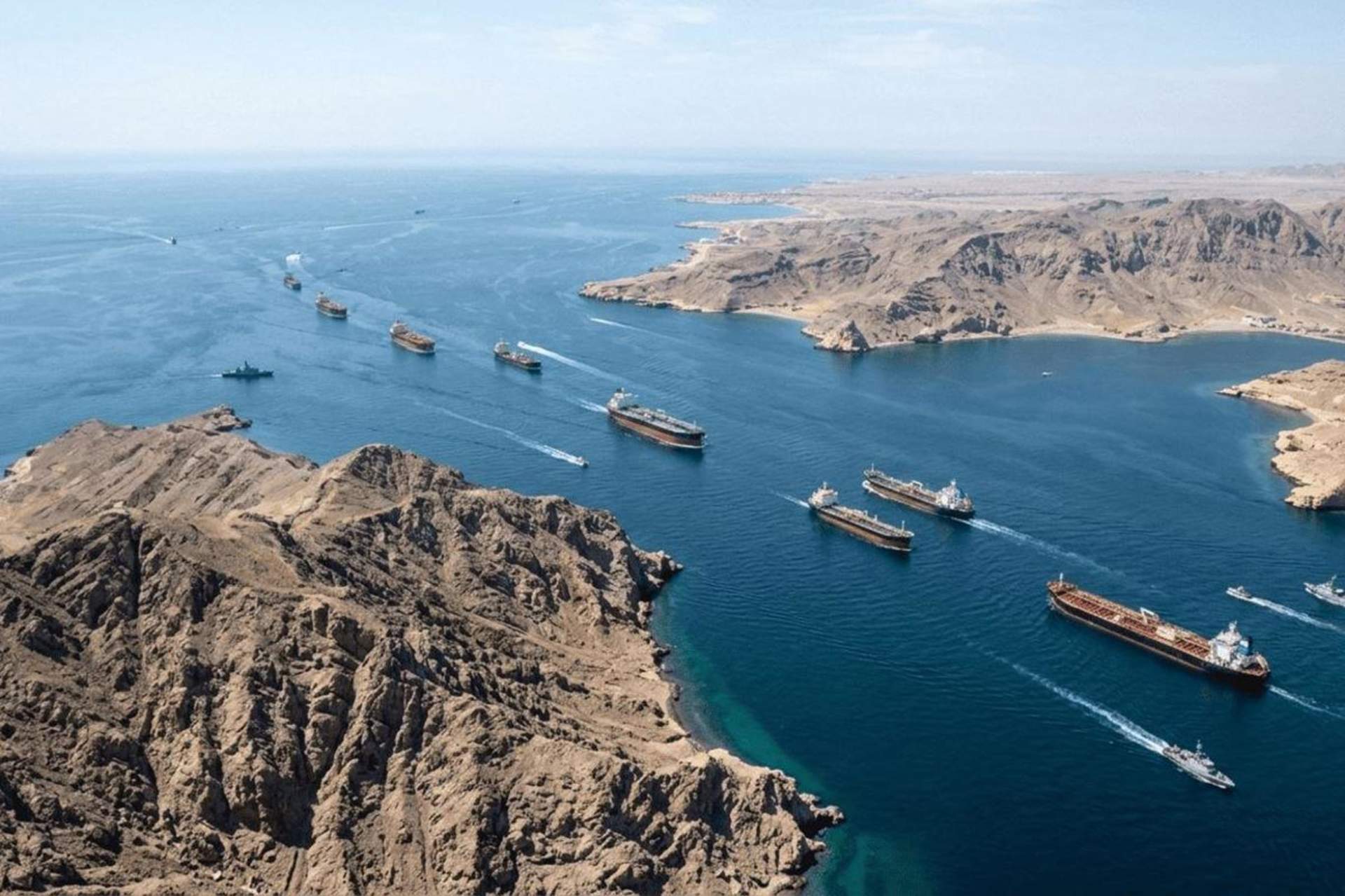
Global oil prices edged lower on Tuesday, October 27, as renewed diplomatic efforts involving Iran raised hopes of easing the conflict in the Middle East. But crude prices remained elevated, leaving energy-importing economies such as Bangladesh exposed to continued pressure on fuel costs, foreign exchange reserves and public finances.
Brent crude futures fell about 0.86% to $114.81 a barrel, while US West Texas Intermediate declined 0.86% to $100.88, according to Reuters market data early on Tuesday. The declines followed prices rising above $117 a barrel in recent days amid attacks on tankers near the Strait of Hormuz.
The market is balancing two opposing forces: hopes that diplomacy could reduce the risk of further disruption and continued security threats that could interrupt oil shipments.
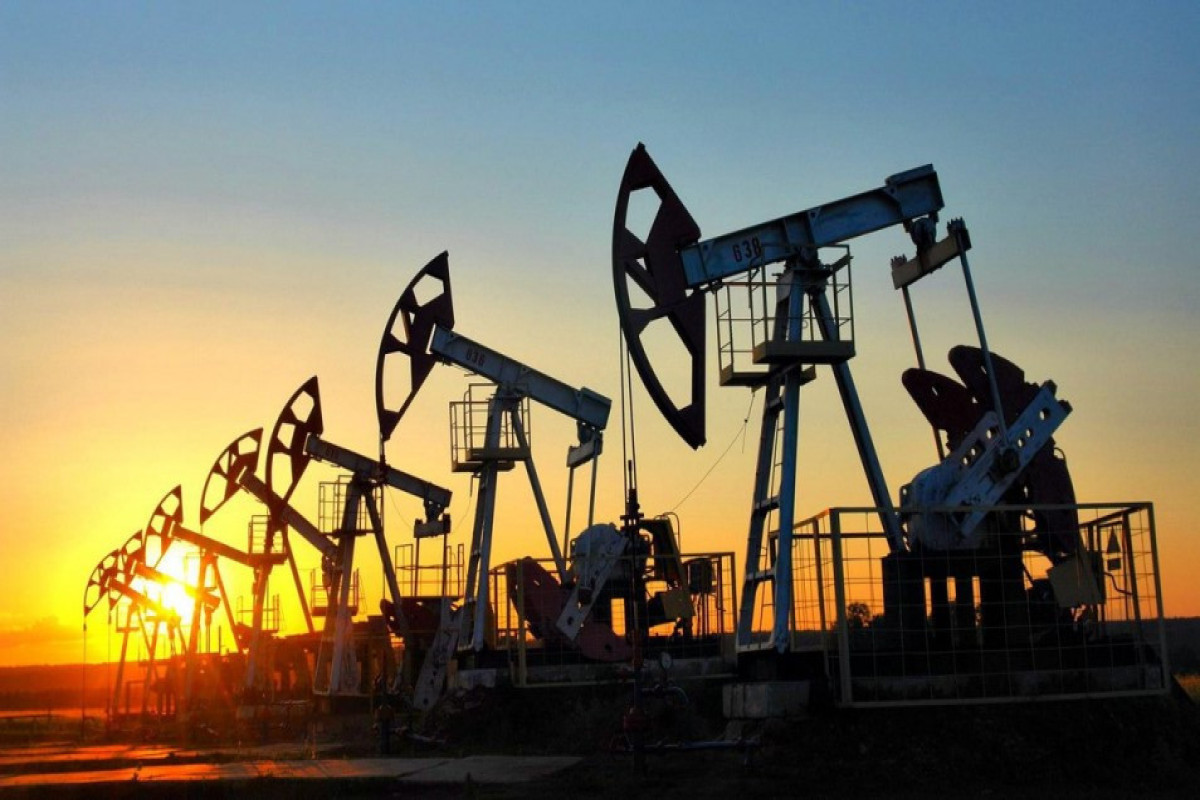
Why Oil Prices Are Moving
Saudi Arabia, Turkey and Pakistan held discussions with Iranian officials in Tehran aimed at strengthening cooperation on peace and security. The countries agreed to continue their talks, offering markets some hope that diplomatic engagement could reduce the risk of further escalation.
However, the outlook remains uncertain. Renewed Houthi attacks on Saudi Arabia have added to concerns about regional stability, while tanker security and shipping disruptions remain central risks for energy markets.
The Strait of Hormuz is particularly important. Before the conflict began in February, roughly one-fifth of global energy supplies passed through the narrow waterway. Any sustained disruption can affect the movement of crude oil and other energy products, raising transport costs and making supplies less predictable.
That is why oil prices can remain high even when they fall during a single trading session. Traders are assessing not only current production and shipments but also the possibility of further attacks, longer shipping routes and expensive insurance.
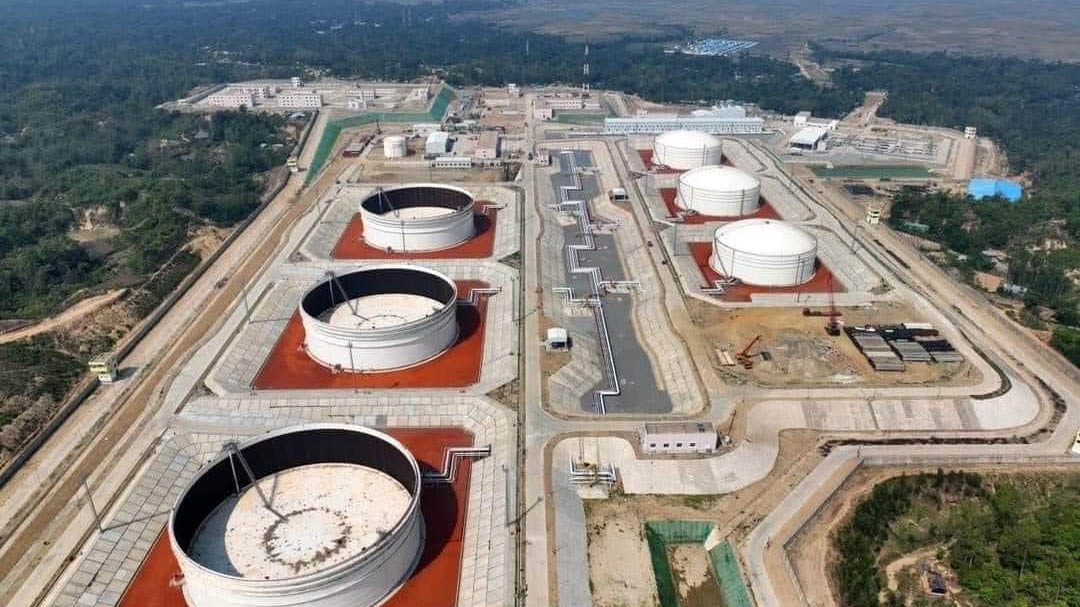
What It Means for Bangladesh
Bangladesh has a direct economic interest in the direction of international energy prices. The country imports crude oil and refined petroleum products, while imported liquefied natural gas also plays an important role in meeting electricity and industrial demand.
The scale of the exposure is significant. Bangladesh spent a record $10.63 billion on crude oil and petroleum products in the 2025–26 fiscal year, more than double the $5.14 billion spent a year earlier, according to Bangladesh Bank data reported by bdnews24.com.
Higher import costs can increase demand for foreign currency and complicate efforts to manage inflation and public spending. Expensive fuel can also feed into transport, electricity generation, manufacturing and the cost of moving goods.
The World Bank has highlighted these risks, noting that Middle East energy-market disruptions have increased price volatility and supply concerns for Bangladesh. Its energy-sector support includes financing arrangements intended to help Petrobangla secure LNG supplies and reduce reliance on expensive spot-market purchases.
A fall in international oil prices could eventually provide some relief. But the effect depends on how long prices remain lower, the cost of imported refined products, procurement arrangements and domestic fuel-pricing decisions. One day's decline is not enough to establish that petrol, diesel, transport or electricity will become cheaper.
Diplomacy Could Matter More Than a Daily Price Drop
For energy-importing countries, a sustained reduction in geopolitical risk could be more valuable than a brief market dip. Safer shipping routes and more predictable supplies would help importers plan purchases and reduce exposure to sudden price spikes.
For Bangladesh, the immediate question is whether diplomatic efforts lead to a lasting improvement in supply conditions. A renewed escalation could reverse recent price declines and place fresh pressure on import payments.
The coming days will therefore matter for both oil markets and energy-dependent economies. Investors will watch diplomatic developments, shipping security and actual supply flows rather than relying on falling prices alone.




Comments
0