


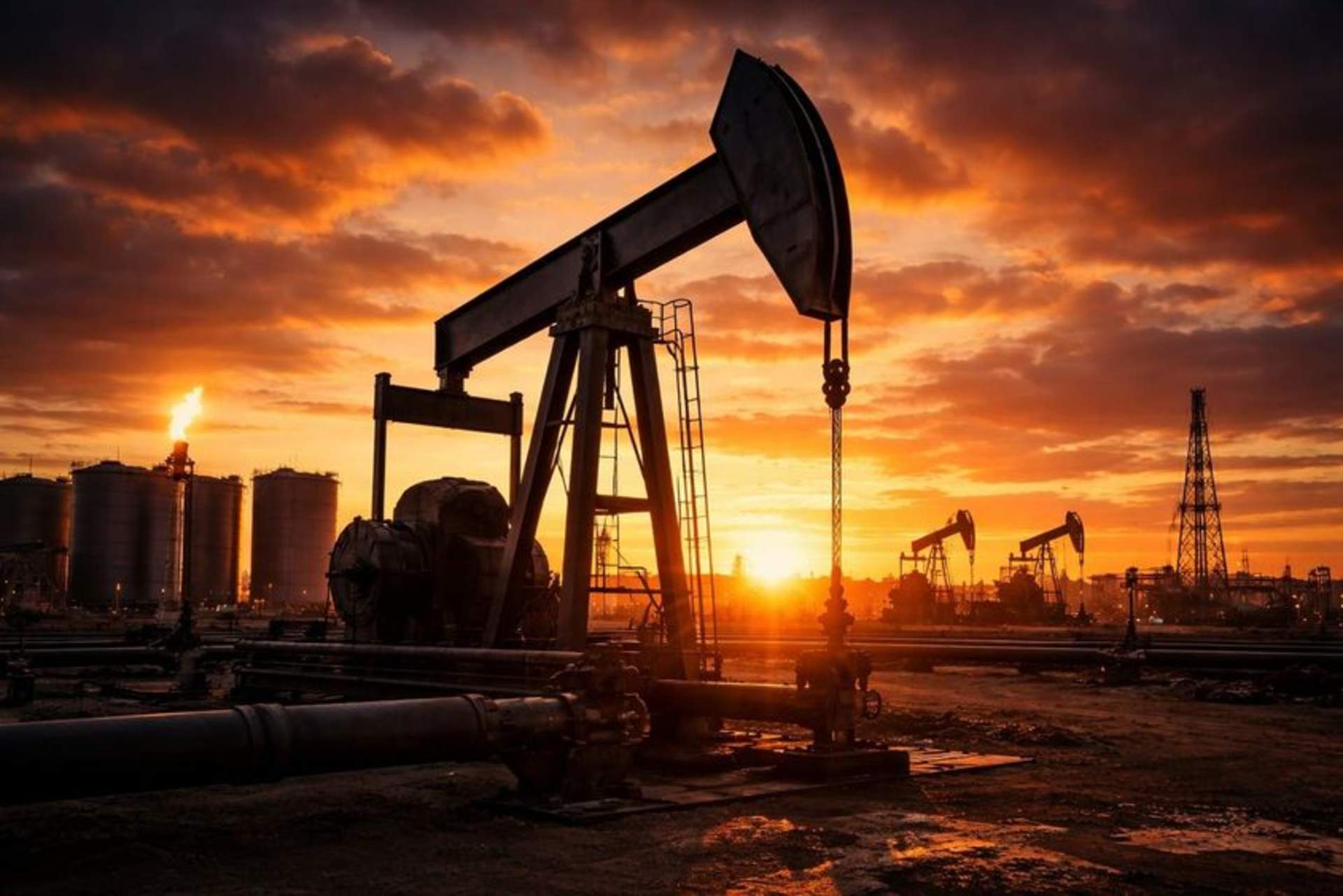
Global oil prices climbed again on October 22 as escalating tensions in the Middle East heightened concerns about energy supplies, putting renewed pressure on countries that depend heavily on imported fuel, including Bangladesh.
Brent crude, the international oil benchmark, rose 1.77% to $110.75 a barrel, while US West Texas Intermediate (WTI) gained 1.47% to $98.58, according to Reuters. The gains followed attacks attributed to Yemen's Iran-aligned Houthi movement on Saudi targets and growing concern that the regional conflict could disrupt oil production and shipments.
The immediate concern is not simply the price of crude oil. A prolonged period of expensive energy can raise the cost of transporting goods, running factories and producing electricity. For Bangladesh, where imported petroleum plays an important role in the economy, sustained increases could add to existing pressure on businesses, public finances and household budgets.
Why the oil market is rising again
Oil markets respond to both actual supply disruptions and the risk that future supplies could become harder to obtain.
Recent attacks on Saudi infrastructure have added to concerns about the security of energy production and transport in the region. Reuters reported that the latest price increase came amid escalating regional tensions, including attacks on Saudi targets and fears of wider disruption.
The Strait of Hormuz is another important factor in the wider energy picture. The narrow waterway between Iran and Oman is a major route for shipments of oil and other energy products from Gulf producers. Any sustained disruption to shipping through the area could complicate deliveries and increase transportation costs.
However, higher prices do not automatically mean that global oil supplies have been cut by the same amount. Markets can rise when traders anticipate a possible shortage, even before the full impact on physical shipments becomes clear.
That distinction matters. Prices may retreat if tensions ease and shipping continues normally. They could remain elevated or climb further if attacks expand, exports are interrupted or buyers compete for limited supplies.
The direction of the market will therefore depend on developments in the region, the condition of transport routes and the availability of oil from other producers.
Why Bangladesh is exposed
Bangladesh cannot fully insulate its economy from international fuel-price movements because it relies on imported crude oil and refined petroleum products.
The scale of that exposure became clear in fiscal year 2025–26. According to reporting by The Business Standard, citing Bangladesh Bank data, the country spent a record $10.63 billion on crude oil and petroleum products during the fiscal year. That represented more than 14% of its total merchandise import bill.
The higher import bill creates several potential challenges. If international prices remain high, importers may need more foreign currency to purchase similar quantities of fuel. That can increase pressure on external payments and make energy procurement more expensive.
The impact also depends on the types of fuel Bangladesh buys, international refining costs, freight charges, exchange rates and the terms agreed with suppliers. Crude oil prices are an important indicator, but they do not tell the whole story of the final cost of imported diesel, jet fuel or other petroleum products.
Bangladesh has already faced higher domestic fuel prices in 2026. On September 21, the government raised the prices of major petroleum products by Tk 20 per litre. Diesel increased to Tk 135, octane to Tk 165, petrol to Tk 160 and kerosene to Tk 155, according to The Daily Star. The government subsequently kept those prices unchanged for October, bdnews24.com reported.
A fresh rise in international prices does not, by itself, mean that another domestic increase is inevitable. The eventual outcome will depend on import costs, government decisions, the country's energy procurement arrangements and the extent to which higher costs are absorbed by public agencies or passed on to consumers.
How higher fuel costs can reach households
Diesel is especially important because it supports transport, agriculture and parts of industrial production.
When fuel becomes more expensive, transport operators can face higher operating costs. Businesses moving goods between ports, factories, warehouses and shops may then face pressure to raise freight charges or absorb the additional expense by accepting lower margins.
Those costs can spread through supply chains. If moving food, clothing, construction materials and other goods becomes more expensive, retailers and manufacturers may eventually pass some of the increase on to consumers.
Farmers can also be affected through the cost of operating irrigation equipment and transporting crops. Factories that rely on diesel-powered equipment or generators may face additional expenses when electricity supply is insufficient or unreliable.
The effects are not always immediate or uniform. Some businesses have fixed-price contracts, some can absorb temporary increases, and others may adjust prices quickly. Government policy, domestic demand and competition also influence how much of an increase reaches consumers.
For households, the risk is that fuel-related costs add to the price of essential goods at a time when budgets may already be stretched. For businesses, unpredictable energy costs make it harder to plan production, manage cash flow and set prices.
What policymakers and businesses need to watch
The next phase of the crisis will depend on whether regional tensions remain contained or begin to interfere more seriously with energy production and shipping.
For Bangladesh, several indicators will matter: international crude and refined-fuel prices, freight and insurance costs, the availability of foreign currency for imports, and the terms on which fuel supplies can be secured.
The government will also face a difficult balance between keeping energy affordable and limiting losses or subsidies associated with importing and selling fuel. Holding retail prices steady can provide short-term relief to consumers, but it may increase the financial burden on public institutions if procurement costs remain high. Passing higher costs on to consumers can reduce that burden while making transport and production more expensive.
Diversifying suppliers, improving energy efficiency, maintaining appropriate fuel stocks and expanding reliable domestic energy sources can help reduce exposure to future shocks. None of these measures can eliminate the effect of a global price surge, but they can strengthen the country's ability to manage one.
Businesses, meanwhile, need to consider how prolonged energy volatility could affect logistics, input costs and demand rather than assuming that the latest increase will necessarily be short-lived.
The next signal will come from supply and diplomacy
Oil prices remain sensitive to events in the Middle East, but the latest increase should not be treated as proof that a prolonged global shortage is inevitable.
A de-escalation that restores confidence in regional security could ease some of the risk premium built into prices. Further attacks or interruptions to energy shipments could have the opposite effect.
For Bangladesh, the central question is how long elevated prices persist. A brief spike may be manageable, although it can still increase procurement costs. A sustained period of expensive oil would pose a more serious challenge because it could affect import spending, transport, agriculture and industrial costs at the same time.
The key indicators to follow are actual export and shipping disruptions, the movement of Brent crude and refined-fuel prices, and Bangladesh's next decisions on fuel procurement and domestic pricing.




Comments
0