


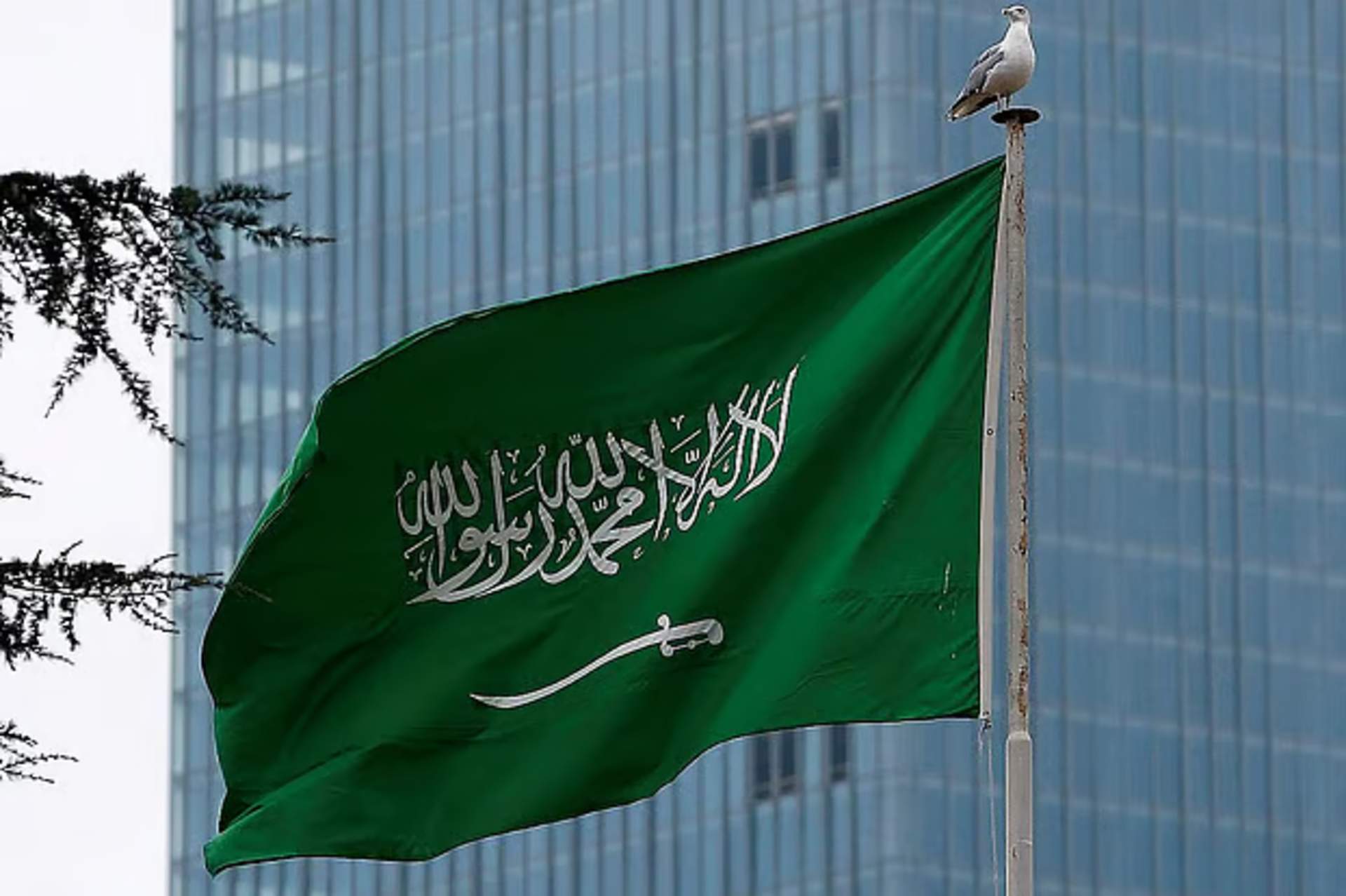
Saudi Arabia executed 108 people during the first six months of 2026, including 59 foreign nationals from 16 countries, among them Bangladesh, according to a report by the European Saudi Organisation for Human Rights (ESOHR).
The organisation’s report, published on its website, said foreign nationals accounted for 54% of all executions documented between January and June. The remaining 49 people were Saudi citizens.
The report identified 17 nationalities among those executed, including nationals of Bangladesh, Pakistan, Ethiopia, Sudan, Yemen, Syria, Jordan, Somalia, Egypt, Nigeria, Benin, Iraq, Kuwait, Kenya, Uganda and Afghanistan, alongside Saudi Arabia.
However, ESOHR did not specify how many Bangladeshi nationals were executed during the first half of the year.
Drug-related offences accounted for most executions
Drug-related offences were the leading category of executions during the six-month period, accounting for 71 of the 108 cases, or approximately 66%, according to ESOHR.
A further 25 people were executed for murder. Nine executions were linked to political or security-related cases that did not involve murder charges, while three were categorised as other offences.
The report said 49 of the 71 people executed in drug-related cases were foreign nationals. That means foreign nationals accounted for most executions in this category, highlighting the impact of Saudi Arabia’s use of capital punishment on people from other countries.
ESOHR also raised concerns about legal safeguards in cases involving foreign defendants. The organisation said it had documented allegations of problems including inadequate interpretation, denial of legal assistance and defendants’ limited understanding of judicial proceedings.
These are findings and concerns reported by the rights organisation; the figures alone do not establish that every case involved the same procedural problems.
Two more Bangladeshis executed in October
The issue returned to the spotlight in October after Saudi Arabia executed two Bangladeshi nationals on October 14.
The executions took place after the January–June period covered by the ESOHR report and should therefore be counted separately from its first-half figures.
Bangladesh’s government said it had not received advance notification from Saudi authorities. State Minister for Foreign Affairs Shama Obaed Islam said Dhaka had formally sought details about the cases, including the offences involved, the judicial proceedings and why Bangladesh’s diplomatic mission had not been informed beforehand.
According to reporting by Bangladesh’s state news agency, the Ministry of Foreign Affairs sent a letter to the Saudi government seeking clarification. Bangladesh also raised the matter with the Saudi ambassador in Dhaka.
The two executions have raised questions about consular notification and the information available to Bangladeshi officials when citizens face capital charges abroad.
As of October 21, Saudi Arabia had not responded to Dhaka’s queries, Reuters reported, citing a spokesperson for Bangladesh’s foreign ministry. The government was seeking copies of the court verdicts, details of the offences and an explanation for the lack of advance notification.
A wider concern for migrant workers
Saudi Arabia is Bangladesh’s largest overseas labour market and hosts an estimated 3.5 million Bangladeshi workers, according to Reuters. Their welfare is a significant concern for families and officials in Bangladesh, as well as for the country’s overseas employment and remittance economy.
The first-half figures underline the scale of Saudi Arabia’s use of capital punishment against foreign nationals. But the absence of a nationality-specific breakdown for Bangladesh means the number of Bangladeshis executed during those six months cannot be established from the ESOHR report alone.
The two executions in October are separate, documented cases. Together with the first-half findings, they have renewed attention to how Bangladeshi nationals are informed about legal proceedings, what assistance is available to them and whether consular officials receive timely information when citizens face the death penalty abroad.
Bangladesh is awaiting further information from Saudi Arabia before determining its next steps in response to the October executions.


Comments
0