


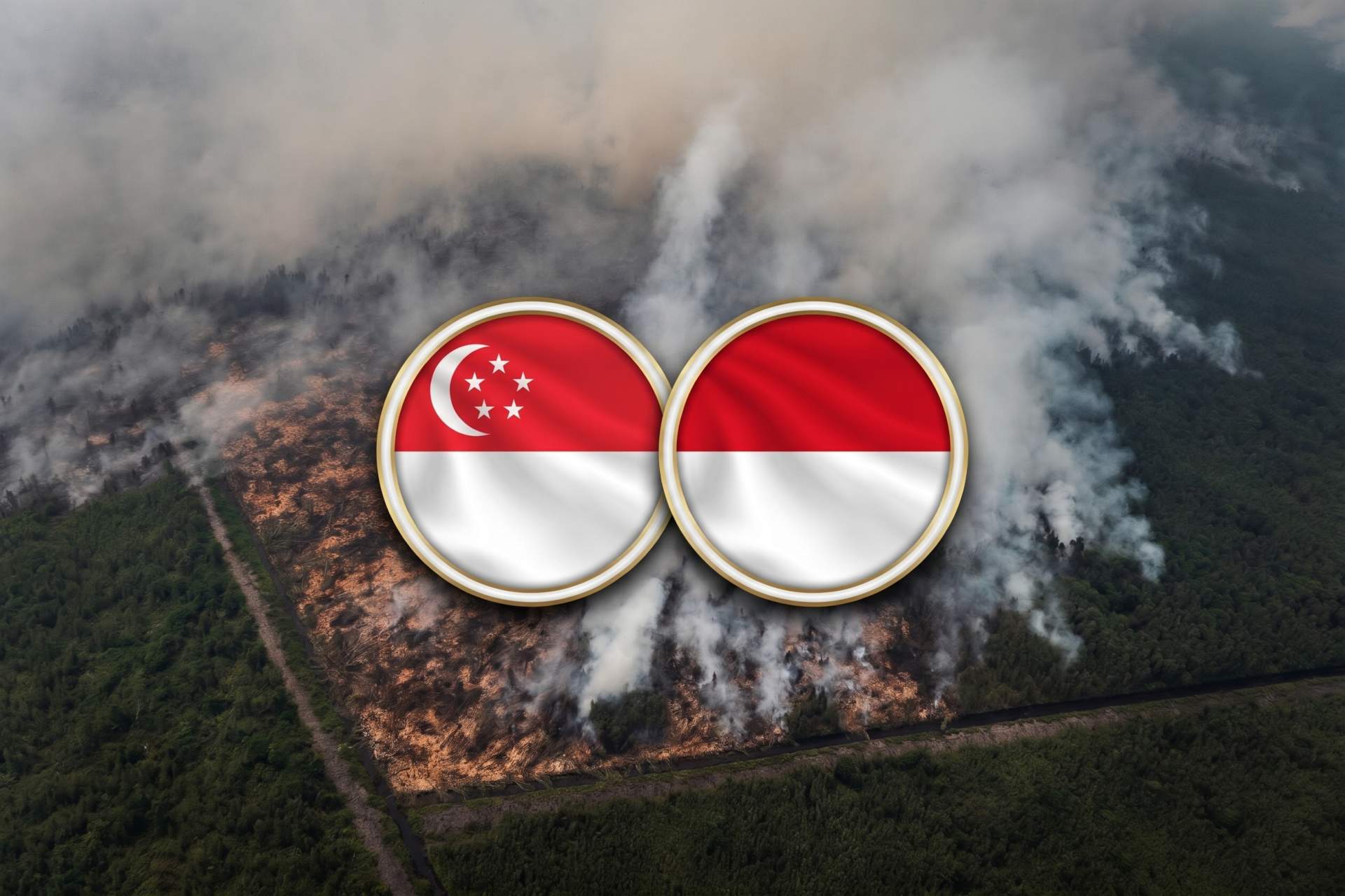
Singapore and Indonesia have agreed to establish a joint task force to strengthen investigations into companies potentially linked to forest and land fires that have caused cross-border haze in Southeast Asia. The initiative, announced on October 27, aims to improve information sharing, coordinate enforcement and make it harder for businesses to avoid accountability across national borders.
The agreement comes as haze from Indonesian fires has affected air quality in Singapore and renewed concerns about the environmental and public-health costs of land burning.
A cross-border approach to corporate accountability
The task force was discussed during talks in Jakarta between Singapore Foreign Minister Vivian Balakrishnan and his Indonesian counterpart, Arrmanatha Nasir.
The two countries intend to strengthen cooperation by sharing information about companies linked to fires and coordinating investigations that may extend across jurisdictions. The discussions also covered stronger communication channels between the governments, including a hotline at ministerial and senior-official levels.
The initiative reflects a practical problem in environmental enforcement: the fires may occur in one country, while companies, ownership structures, commercial relationships and financial assets can extend into another.
Singapore has said it is prepared to use its legal and regulatory powers against companies responsible for, or contributing to, the haze. Indonesia has welcomed closer cooperation and the sharing of information that could help authorities trace corporate responsibility.
However, the announcement does not mean that every company under scrutiny has been found responsible. Investigations will need to establish the facts and determine whether particular businesses violated applicable laws.
Haze puts environmental enforcement back in focus
The latest agreement follows weeks of concern over air pollution in Singapore linked to fires in the region. Singaporean authorities have taken steps to investigate companies that may have contributed to the problem.
The country's National Environment Agency has issued notices seeking information from Singapore-based companies, while authorities have also pursued inquiries involving businesses connected to fires in Indonesia. The government has announced plans for specialist investigations into corporate operations, supply chains and relationships that could help establish responsibility.
Indonesia has also mobilised personnel and firefighting resources in affected areas. Its government has stressed that Indonesian communities, particularly in Sumatra and Kalimantan, are among the first to suffer from the smoke.
Forest and land fires can damage ecosystems, threaten wildlife, affect livelihoods and expose people to harmful air pollution. Smoke carried by prevailing winds can also affect neighbouring countries, turning a local environmental emergency into a regional diplomatic issue.
What happens next?
The task force's impact will depend on how effectively the two governments turn the agreement into investigations and enforcement.
Important questions remain: how evidence will be shared, how quickly investigators can identify responsible companies, and whether authorities can pursue meaningful penalties when corporate structures cross borders.
The initiative also tests whether regional cooperation can deliver stronger accountability for environmental damage that does not respect national boundaries.
For now, the agreement is a step towards coordinated enforcement rather than proof that the haze problem has been solved. Its significance will ultimately depend on whether investigations produce credible findings and whether those findings lead to effective action.

Comments
0