


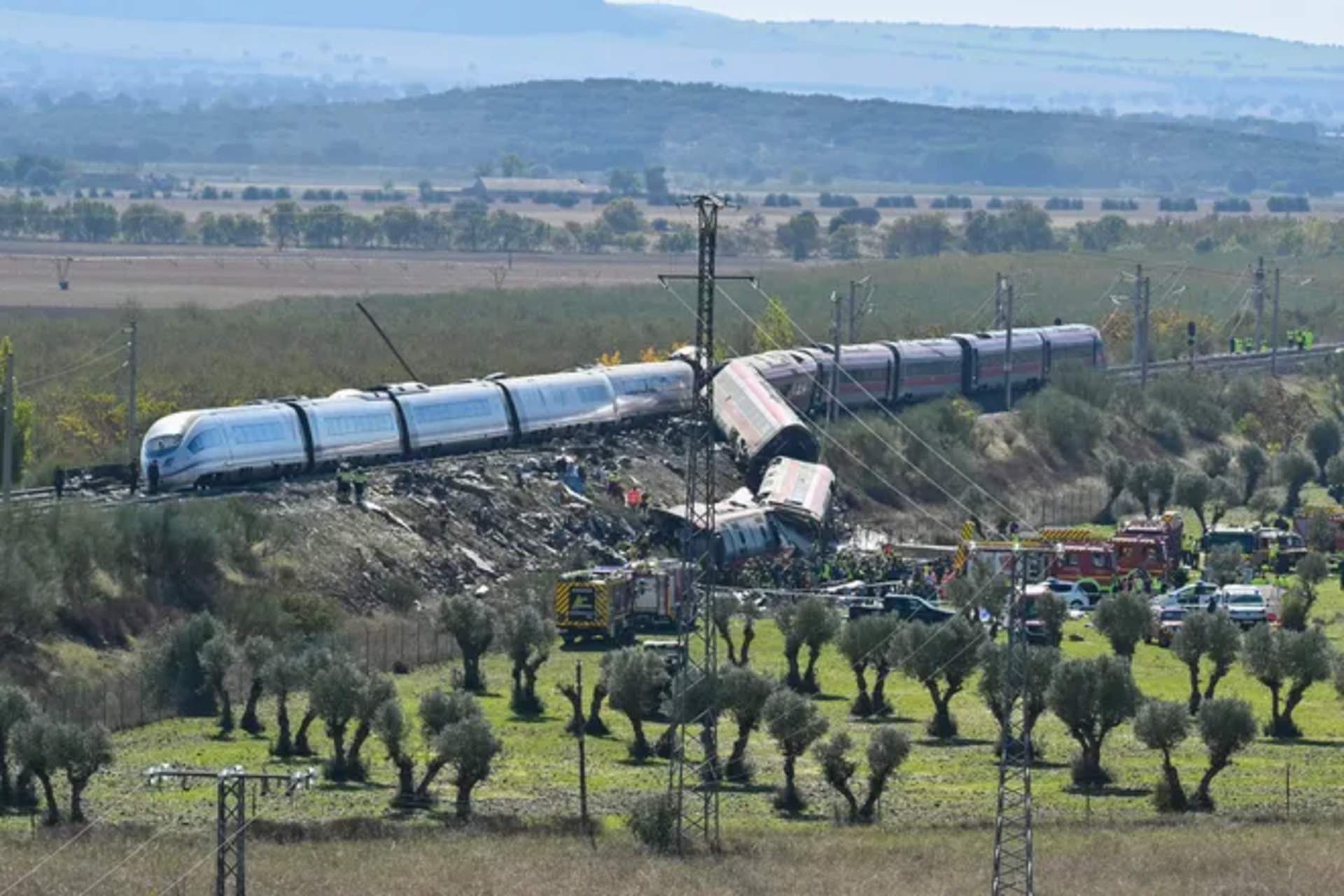
At least 68 people were killed and dozens injured when two high-speed trains collided in Spain’s Castilla-La Mancha region, south of Madrid, on October 28, 2026. The disaster has prompted an investigation into how a train was allowed to continue travelling after a railway safety system failed.
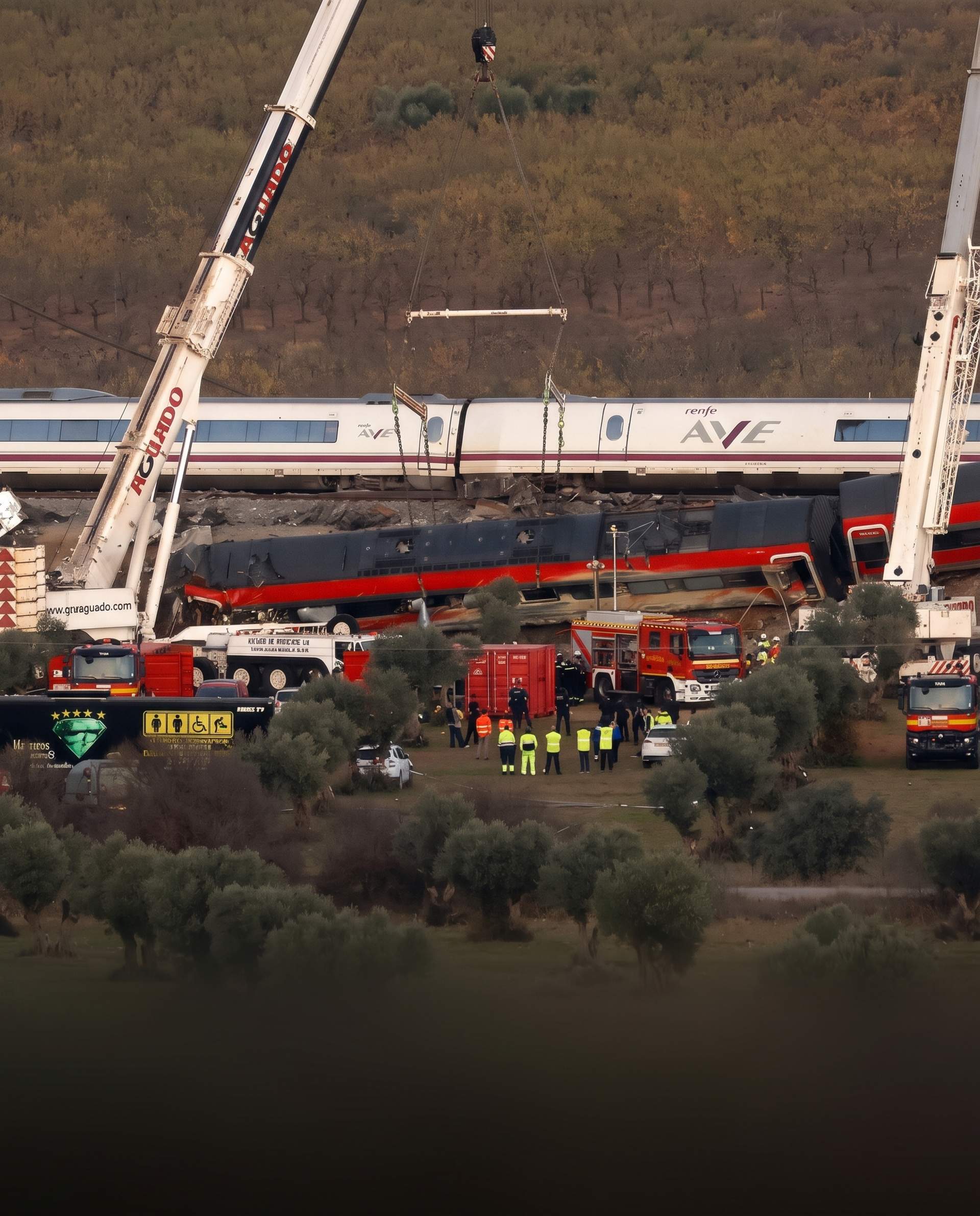
The collision involved a Renfe-operated AVE train and a stationary train operated by Iryo. According to reporting by Reuters, three carriages plunged down an embankment, while rescue teams searched the wreckage for additional victims.
The reported death toll had reached at least 68 by October 29, according to Reuters. Authorities were continuing their response as the scale of the disaster became clearer.
Investigators examine railway control decisions
Spain’s Transport Minister Óscar Puente said investigators were examining a decision by the railway control centre that allowed the Renfe train to resume normal running after an automated safety system failed.
According to Euronews’ account of the minister’s explanation, a computer malfunction disrupted the LZB train-control system along a section of track, forcing several trains to stop. Traffic management was then transferred to the central control centre.
The Renfe train was subsequently authorised to resume normal running even though a red signal remained active, Puente said. It travelled onward before colliding with the stationary Iryo service.
The precise sequence of events, the train’s speed and the responsibilities of those involved remain matters for the investigation. The reported control-system failure should not be treated as a final determination of the cause.
National mourning and wider safety questions
Prime Minister Pedro Sánchez announced three days of national mourning and pledged a full investigation. Emergency workers continued rescue and recovery operations while authorities dealt with the consequences of the collision.
The disaster has also renewed questions about railway safety, maintenance and the procedures used when automated signalling systems fail.
Spain has invested heavily in its high-speed rail network, but the latest collision has raised fresh concerns about how the system responds when normal safety controls are disrupted. Reuters reported that the country had suffered another deadly rail collision earlier in 2026, adding to scrutiny of railway operations.
The immediate priorities remain supporting victims and their families, completing recovery work and establishing exactly how the collision occurred. The investigation will be essential to determining whether operational decisions, technical failures or other factors contributed to the disaster.


Comments
0