


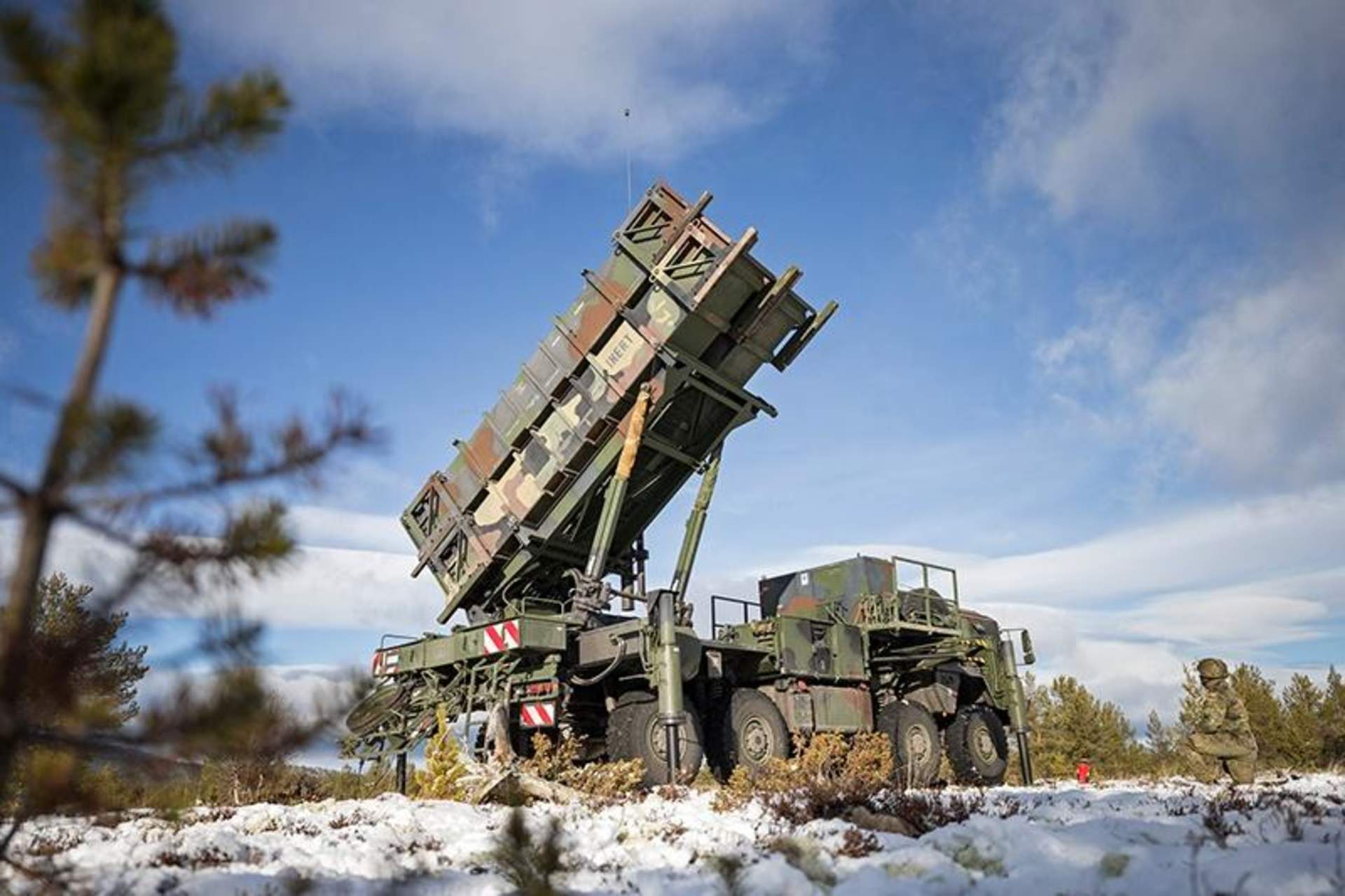
The United States has approved a proposed $2.1 billion sale of 500 Patriot air-defence interceptors to Ukraine, but the decision may not deliver immediate relief for Kyiv as it prepares for another winter of Russian attacks.
The US State Department announced the approval on October 30, 2026. The package covers 500 Patriot Advanced Capability-3 Missile Segment Enhancement (PAC-3 MSE) interceptors, along with associated spare parts, logistics and support. Lockheed Martin, the US defence contractor that manufactures the missiles, will serve as the principal contractor.
The purchase is expected to be financed by contributions from Canada, Germany and Norway through the US JUMPSTART programme, alongside Ukrainian funding supported by the European Union’s Ukraine Support Loan. The US government said the proposed sale would advance American foreign-policy and national-security objectives by strengthening Ukraine’s air and missile defences.
However, approval is not the same as delivery. Ukrainian President Volodymyr Zelenskyy welcomed the decision but warned on October 31 that the current arrangement could mean deliveries would begin only in a few years. He urged Washington and its partners to find a way to supply interceptors from existing stockpiles while new missiles are manufactured.
Why Ukraine needs the interceptors now
Patriot systems are a key part of Ukraine’s defence against Russian ballistic missiles, which can threaten cities, military facilities and critical infrastructure. The interceptors are particularly important because relatively few air-defence systems can reliably engage certain types of ballistic missile.
Ukraine has repeatedly warned that its supply of Patriot ammunition is inadequate for the scale of the threat. Zelenskyy said this week that the country had received an average of only 12 Patriot interceptors per month in 2026, underscoring the gap between available supplies and operational demand.
The timing is especially significant as Russia intensifies attacks on Ukraine’s energy infrastructure ahead of winter. Damage to electricity generation, heating networks and other essential services could make the coming months more difficult for civilians as temperatures fall.
Zelenskyy said 500 interceptors could make a substantial difference during the winter of 2026–2027 if they arrived in time. He has therefore called for an interim arrangement that would transfer available missiles to Ukraine and replenish allied stocks later through newly manufactured weapons.
Funding comes from allies, not directly from Washington
The proposed sale illustrates how Ukraine’s military support increasingly relies on arrangements in which partner countries finance the purchase of US-made equipment.
Canada, Germany and Norway are expected to contribute through JUMPSTART, while the European Union-backed funding mechanism will provide an additional source of Ukrainian financing. This means the $2.1 billion package is not being funded directly by the US government, although Washington’s authorisation remains essential to the proposed transaction.
The distinction matters because financial commitments alone cannot overcome production limits, delivery schedules or decisions about the allocation of existing military stockpiles.
The sale also comes after weeks of public concern in Kyiv about delays in US authorisation for certain missile transfers. Zelenskyy had said Ukraine was waiting for Washington to approve supplies already purchased by allies. NATO’s top military commander, General Alexus Grynkewich, separately said on October 30 that deliveries of weapons acquired through the NATO-coordinated procurement programme were continuing, highlighting differences between Ukrainian concerns about authorisation and NATO’s account of ongoing deliveries.
Production capacity remains a major constraint
The PAC-3 MSE is a sophisticated interceptor, and increasing its supply is not as simple as placing an order. Manufacturing capacity, existing commitments and competing demands from other countries all affect how quickly additional missiles can reach Ukraine.
Reuters reported that the new missiles are not expected to be delivered until years into the 2030s, while other reporting has highlighted efforts to accelerate the schedule. The State Department’s announcement did not specify an official delivery date.
That uncertainty leaves Ukraine facing a gap between a major diplomatic and procurement decision and the immediate military need it is intended to address.
The approval nevertheless establishes a proposed route for financing and purchasing hundreds of additional interceptors. Whether the package meaningfully strengthens Ukraine’s defences this winter will depend on whether the United States and its partners can arrange earlier transfers from existing stocks, accelerate production or find another way to bridge the delivery gap.


Comments
0