


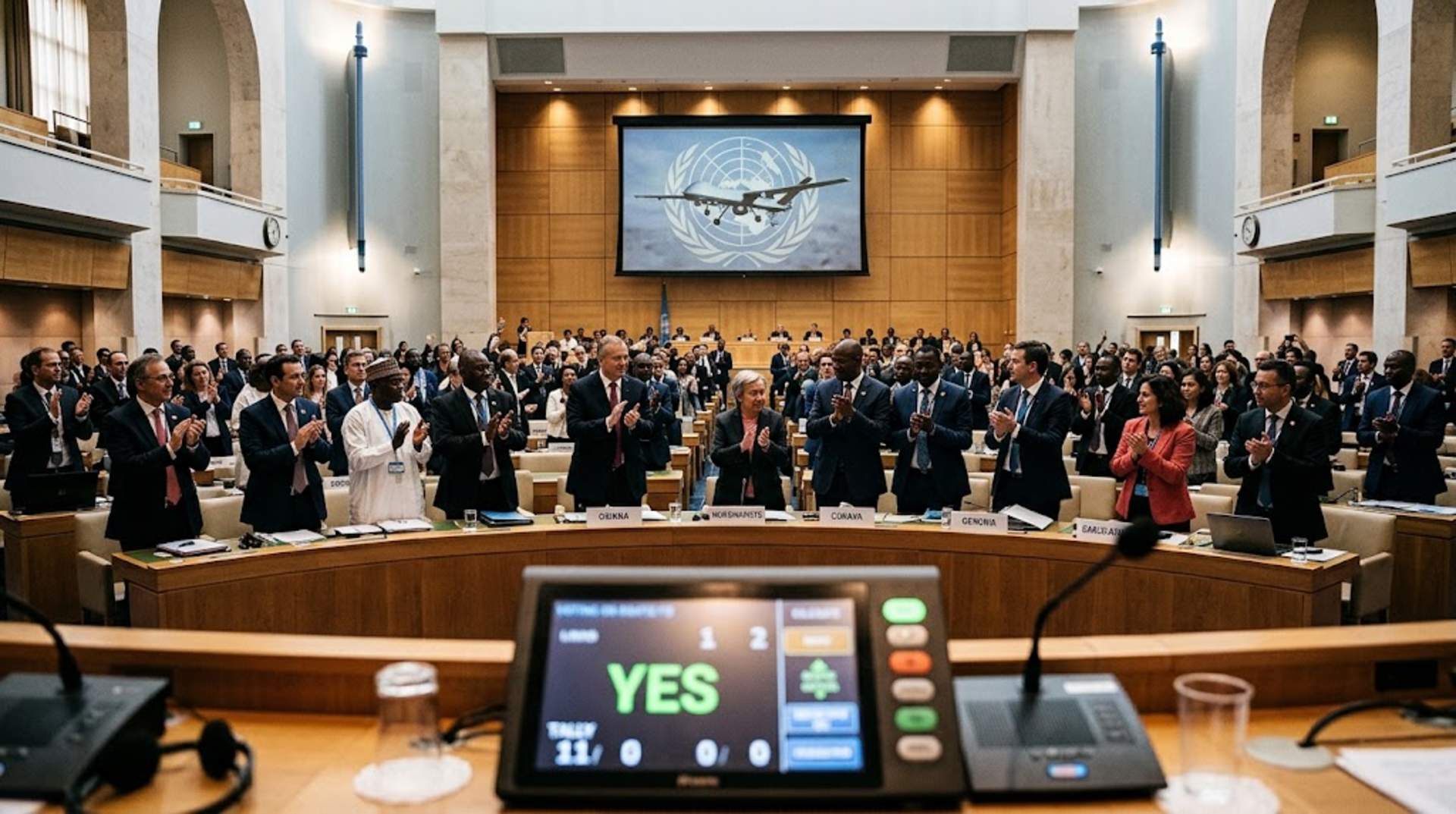
After nearly a decade of stalled negotiations, the UN autonomous weapons treaty was formally adopted in Geneva on Thursday, establishing the world's first binding international limits on artificial intelligence in combat.
Voting at the Palace of Nations, delegates from 114 countries approved the framework that strictly forbids the deployment of fully autonomous systems capable of independently selecting and engaging human targets. The treaty establishes a baseline requirement for human-in-the-loop architecture across all advanced military hardware, effectively banning algorithms from making final lethal decisions on the battlefield.
The urgency to regulate machine-driven combat has accelerated over the past 36 months. As artificial intelligence models evolved from passive analytical tools into autonomous agents capable of independent navigation, military contractors began testing drone swarms that could theoretically operate without active human command links. This technological leap alarmed humanitarian organizations and prompted the UN Secretary-General to declare lethal autonomous weapons systems a direct threat to international humanitarian law.
The Human-in-the-Loop Mandate
The core mechanism of the new treaty revolves around the concept of meaningful human control. Under the agreed definitions, a human operator must retain the physical and cognitive ability to veto a strike before a weapon is fired.
This requirement specifically targets the emerging class of loitering munitions and sensor-fused weapons that use onboard computer vision to hunt for targets over wide geographic areas. While militaries are still permitted to use AI for navigation, threat detection, and target tracking, the algorithm cannot pull the trigger. A human commander must visually or procedurally verify the target and authorize the engagement, ensuring accountability remains with a person rather than a line of code.
Security analysts note that implementing these rules presents unprecedented technical challenges. Verifying compliance requires auditing heavily encrypted, proprietary military software. Unlike nuclear centrifuges or chemical stockpiles, which can be tracked through physical supply chains, an autonomous targeting update can be deployed to a fleet of drones via a silent over-the-air software patch.
Major Power Abstentions
While the treaty represents a historic diplomatic consensus, its immediate battlefield impact remains constrained by the absence of the world's largest military developers. The United States, China, and Russia all abstained from the final ratification vote on Thursday morning.
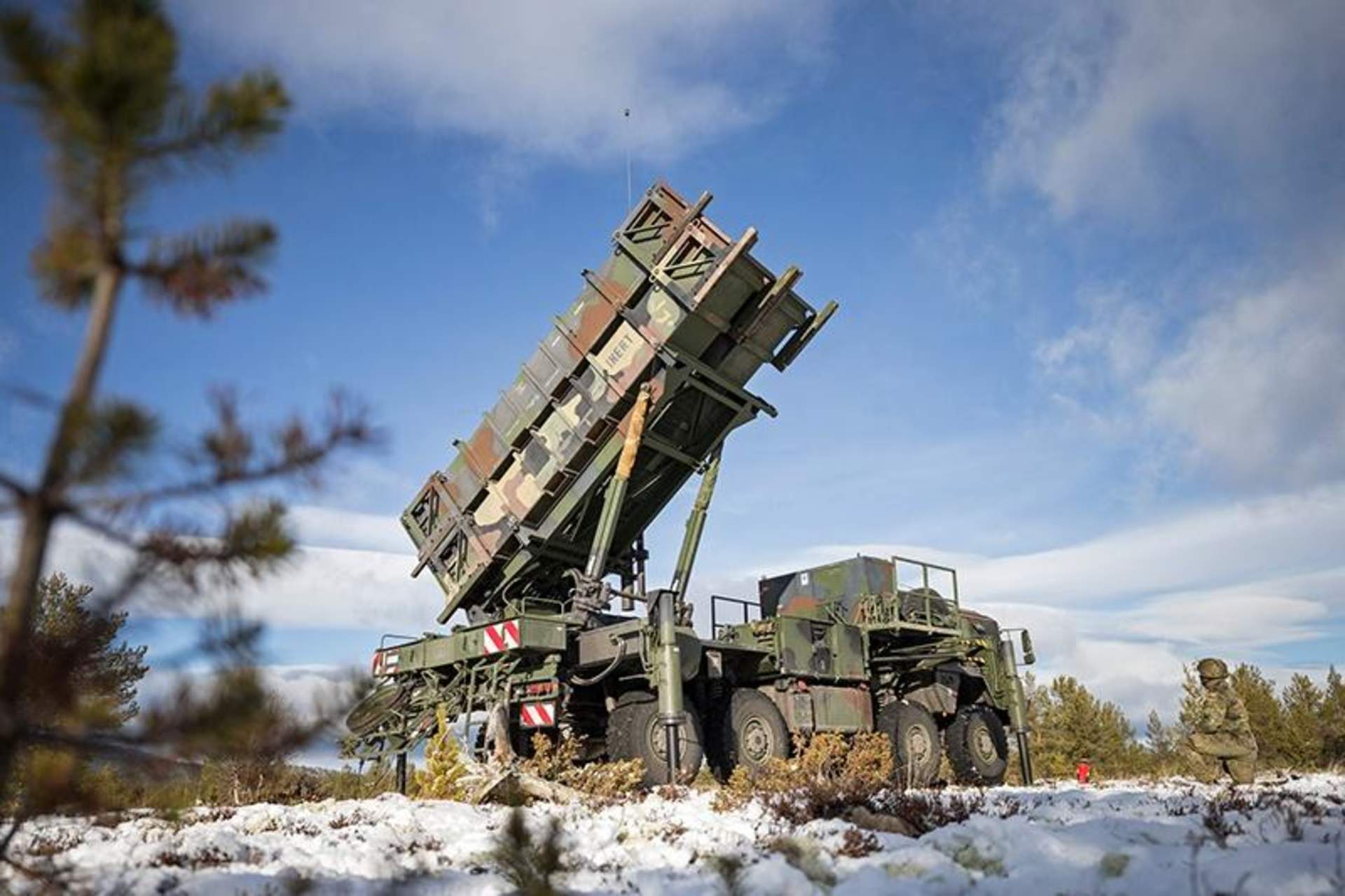
Diplomatic representatives from the abstaining nations argued that the treaty's definition of "meaningful human control" was too vague and could inadvertently restrict defensive technologies, such as automated missile interception systems that must react faster than human reflexes allow. They have instead advocated for voluntary codes of conduct rather than binding international law.
Despite these abstentions, proponents of the treaty argue that the Geneva vote establishes a powerful global norm. By officially categorizing fully autonomous targeting as a violation of international humanitarian law, the agreement places immense political and economic pressure on global defense contractors. Companies supplying hardware to the 114 signatory nations will now be legally forced to hardwire human authorization protocols into their next generation of military technology.

Comments
0