


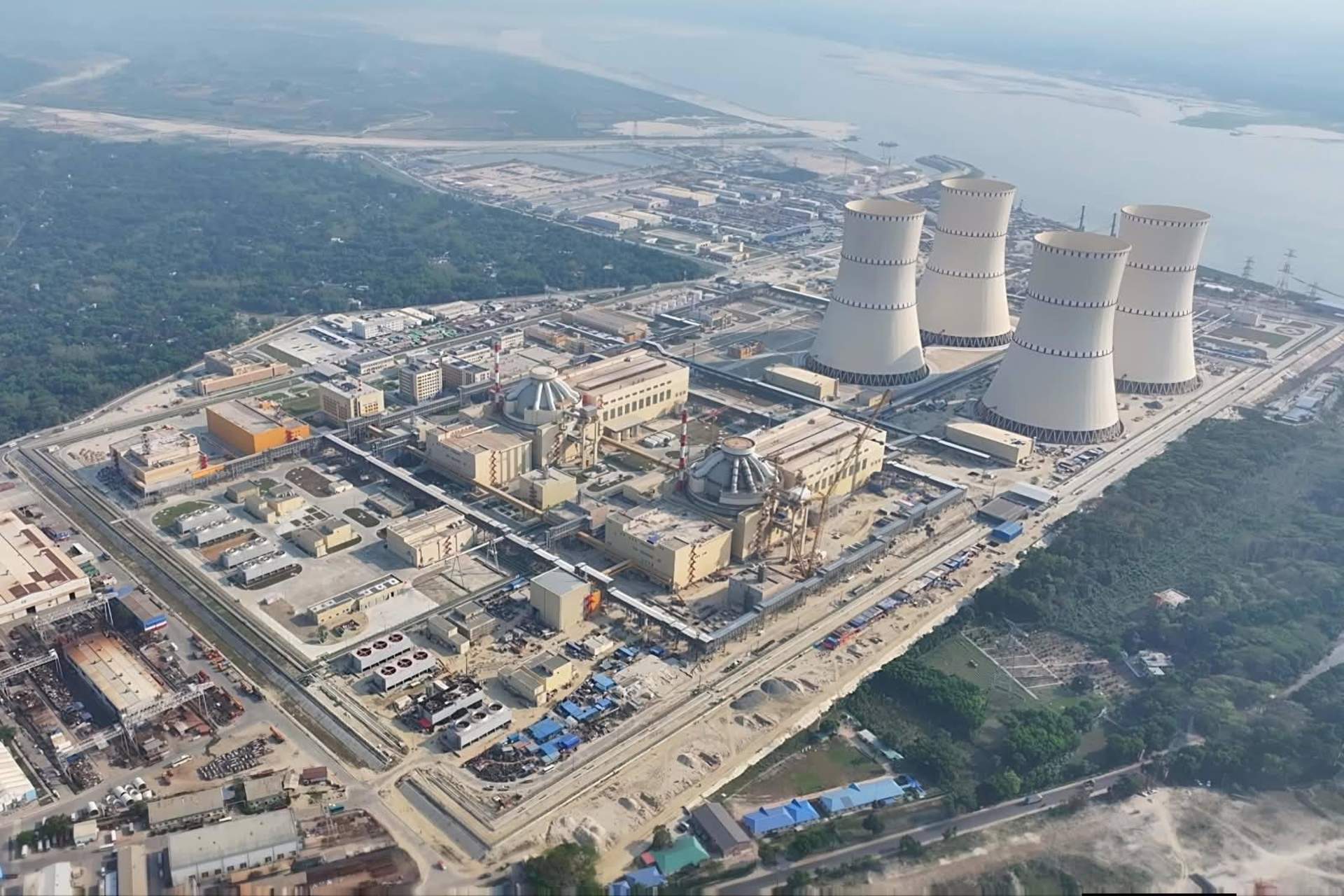
A new shipment of nuclear fuel reached Bangladesh’s Rooppur Nuclear Power Plant in Ishwardi, Pabna, on Wednesday, October 21, adding to the fuel deliveries needed as the country moves toward operating its first nuclear power station.
The shipment arrived at the plant site at approximately 10:03 am after a special cargo aircraft carrying the fuel landed at Hazrat Shahjalal International Airport in Dhaka on Tuesday night. The fuel was transported by road under tight security, with the Bangladesh Army and other security agencies involved in the operation.
The delivery is part of a wider series of nuclear fuel shipments associated with Rooppur’s two reactor units. The project is designed to add substantial electricity-generating capacity to Bangladesh, although the arrival of fuel alone does not mean that a reactor is ready to supply power commercially.
A carefully secured journey from Dhaka to Pabna
The transport convoy left Dhaka airport early Wednesday morning and travelled to the plant under an extensive security arrangement. Police and other security personnel were deployed at strategic points along the route, while the Army escorted the vehicles carrying the nuclear fuel.
Officials from the Bangladesh Atomic Energy Regulatory Authority received the shipment after the aircraft landed. The convoy subsequently travelled by road to the Rooppur project site in Ishwardi.
The operation reflects the special handling and coordination required to transport nuclear fuel. The shipment’s arrival is a logistical milestone, but it is separate from the technical inspections, testing and commissioning work needed before a nuclear reactor can deliver electricity to the national grid.
There is a discrepancy in initial media reports over the destination unit for the latest consignment. Bangladesh Sangbad Sangstha reported it as the third uranium shipment for the plant’s first unit, while other reports described the delivery as fuel for the second unit. The precise allocation should therefore be confirmed with the relevant project authorities before publication of a more specific claim.
Why Rooppur matters for Bangladesh’s electricity supply
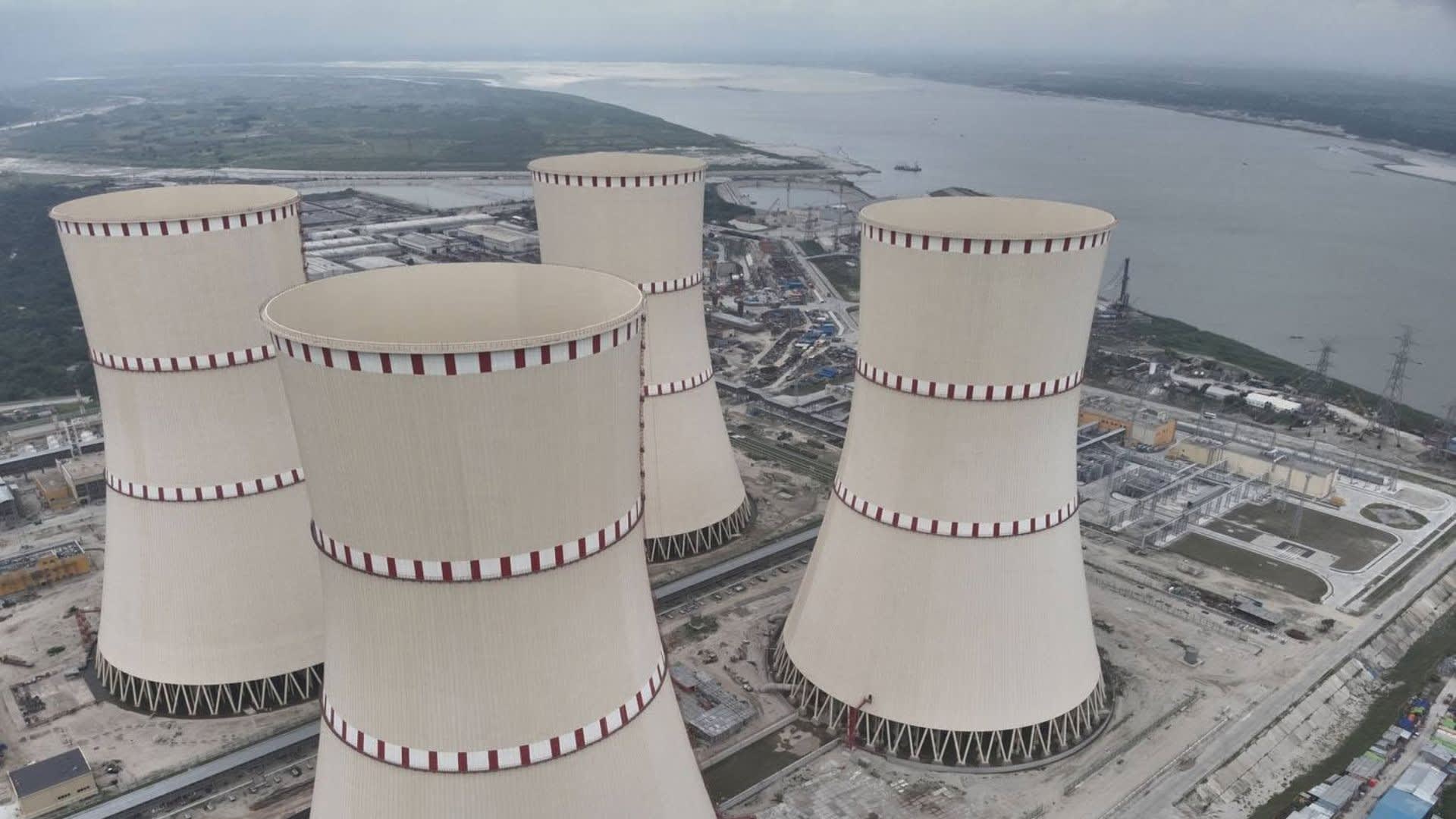
Located in Ishwardi, Pabna, Rooppur is Bangladesh’s first nuclear power plant. The project is being developed with Russian technical assistance and involves two VVER-1200 reactor units, each designed to generate 1,200 megawatts of electricity.
Together, the two units are expected to provide a total installed capacity of 2,400 megawatts once both are operational. That makes the project one of Bangladesh’s most important long-term energy infrastructure investments.
Nuclear power can supply electricity continuously, unlike generation sources whose output depends directly on sunlight or wind conditions. Once operating reliably, a nuclear plant can therefore contribute to a more diversified electricity mix.
However, installed capacity should not be confused with electricity already being produced. The amount of power actually delivered to consumers depends on commissioning progress, regulatory approvals, the plant’s operating performance and the readiness of the wider electricity system.
For Bangladesh, the central question is not simply when fuel arrives, but when the reactors can complete the necessary safety and operational checks and begin supplying dependable electricity.
Fuel deliveries and commissioning remain separate milestones
The latest shipment comes as preparations continue for the wider fuel requirements of the Rooppur project. Earlier announcements from Russia’s state nuclear corporation, Rosatom, indicated that fuel deliveries for the second unit were scheduled to continue through December 2026.
The delivery programme involves multiple consignments rather than a single shipment. Fuel for the second unit is required as part of its preparation and commissioning, while separate deliveries are also planned to meet future refuelling requirements for the first unit.
The distinction matters because fuel supply is only one part of bringing a nuclear facility into operation. Engineers and regulators must also verify that the reactor’s systems, safety equipment and supporting infrastructure meet the required standards.
The first unit has already undergone fuel-loading and commissioning work, but its path to electricity generation has faced technical and scheduling complications. Previous reporting described delays associated with a safety-relief valve system and subsequent testing.
Those developments underline why a shipment’s arrival should not be treated as evidence that commercial power generation has begun. The operational timetable depends on the outcome of technical tests and the decisions of the responsible authorities.
What happens next?
The next important developments will be the completion of scheduled fuel deliveries, progress in commissioning both units and official confirmation of when electricity can be supplied to the national grid.
Rosatom’s previously announced delivery schedule points to the end of December as the target for completing fuel supplies for the second unit. That remains a delivery timetable, not a guarantee of a particular date for commercial operation.
For electricity consumers, the eventual contribution of Rooppur will depend on how quickly the project completes its remaining technical and regulatory stages and how consistently the plant operates once it enters service.
Wednesday’s arrival is therefore best understood as one step in a longer process. It advances the fuel-delivery programme, but the broader test for Bangladesh will be the safe commissioning and dependable operation of the reactors.


Comments
0