


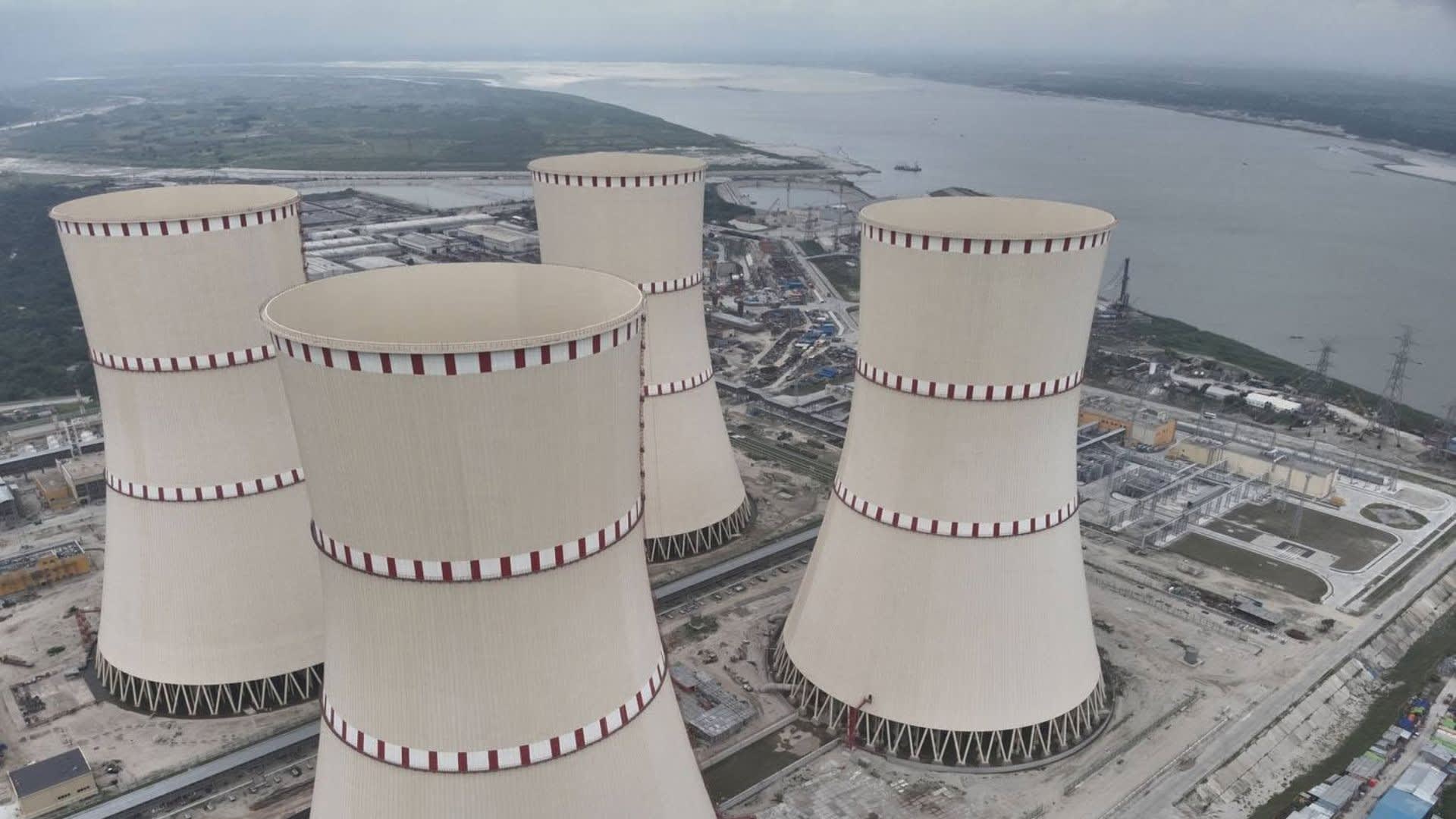
Bangladesh’s Rooppur Nuclear Power Plant has received regulatory approval to begin the next phase of power-startup testing at its first unit, bringing the country closer to generating electricity from its first nuclear power station.
The Bangladesh Atomic Energy Regulatory Authority (BAERA) approved Unit 1’s entry into Stage C on Thursday, October 29, following the completion of physical-startup tests and the review of results from the preceding B-2 phase, according to officials quoted by The Daily Star.
The approval allows engineers to begin gradually increasing reactor power and testing how the plant’s major systems perform under operating conditions. However, it does not mean the plant has started supplying electricity commercially.
Officials expect trial electricity supply to the national grid to begin as early as November, provided the remaining tests and commissioning activities proceed successfully.
How the next stage will work
During Stage C, engineers will gradually increase reactor power while monitoring the reactor, cooling systems, turbine-generator, electrical infrastructure, instrumentation, controls and safety systems.
The tests are designed to establish whether the systems work together safely and reliably as operating conditions change. Engineers will also monitor the performance of the turbine and generator before attempting to synchronise the generator with the national grid.
Grid synchronisation is a critical milestone because it allows the plant’s electricity output to be connected to the wider power system and assessed under actual operating conditions.
Project officials expect the first unit to supply around 300 megawatts of electricity during the initial trial period if the necessary tests are completed successfully. The timing and actual output will depend on commissioning progress and regulatory requirements.
A 1,200MW unit with a longer road ahead
Rooppur’s first unit has a designed electrical generation capacity of 1,200 megawatts. The plant, located in Ishwardi upazila of Pabna beside the Padma River, is being built with Russian financial and technical support.
The full project comprises two VVER-1200 reactors, each designed to generate 1,200MW. Once both units are fully operational, their combined capacity will reach 2,400MW.
The first unit began its initial nuclear fission reaction on October 11, following an earlier regulatory approval for the B-2 stage. That milestone allowed the commissioning process to advance but did not itself authorise electricity supply to the grid.
Earlier technical issues involving automatic pressure-relief safety valves had delayed progress. Subsequent testing and technical work preceded the latest approval.
Why the milestone matters
Rooppur represents a major addition to Bangladesh’s electricity infrastructure and a significant step in the country’s development of nuclear power capability.
If the plant reaches regular operation, it could diversify the country’s electricity sources and provide a substantial new source of generating capacity. Its eventual contribution will depend on successful commissioning, dependable operation and the integration of its output into the national grid.
For now, the immediate priority is completing the staged tests. Trial supply, the completion of commissioning and commercial operation remain separate milestones, and each depends on satisfactory technical results and the required regulatory clearances.
The coming weeks should provide a clearer indication of whether Rooppur can meet officials’ expectations for initial trial electricity supply and progress towards regular operation.


Comments
0