


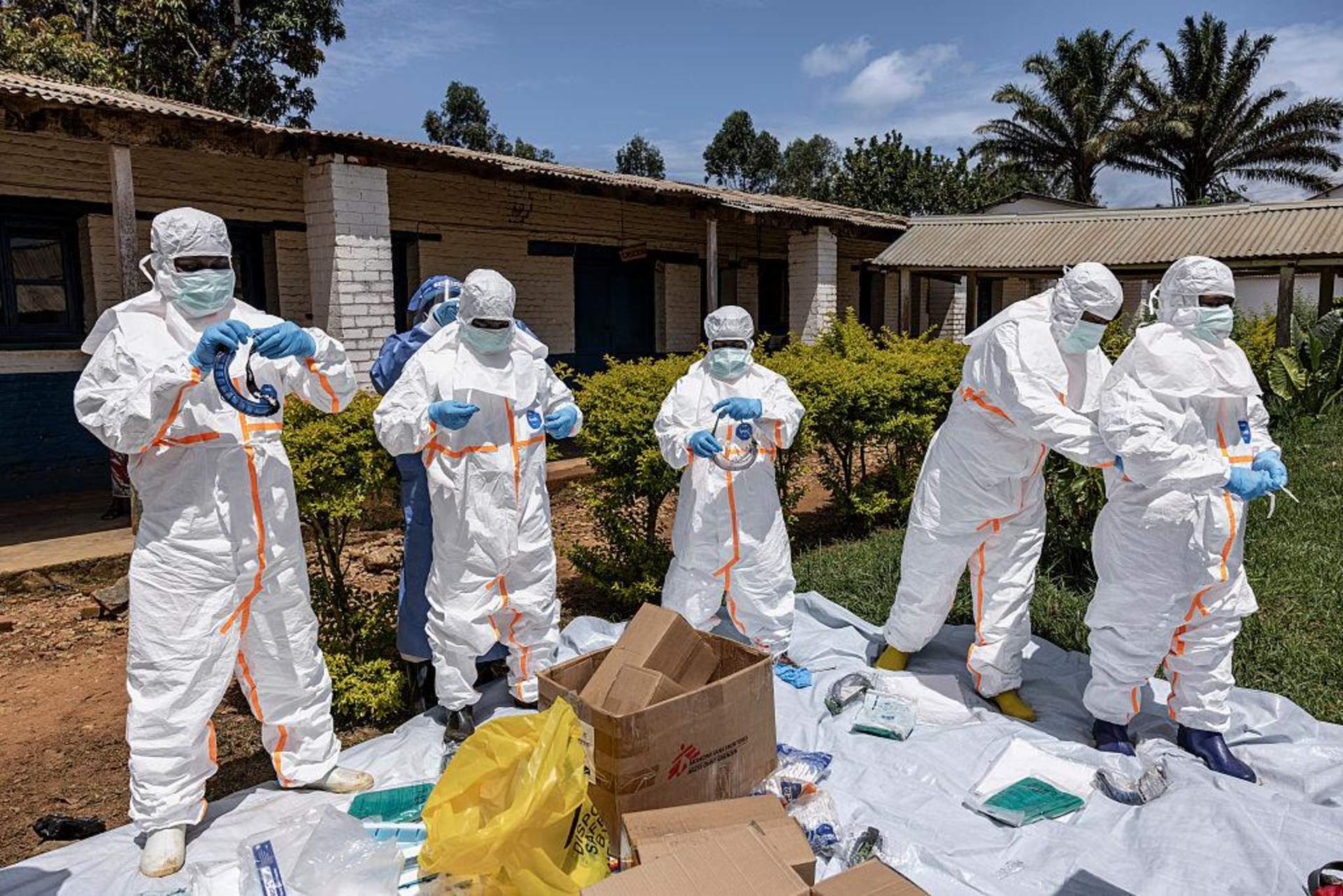
The Democratic Republic of the Congo's Ebola outbreak has surpassed 10,000 confirmed cases, with 4,887 deaths reported, as health authorities work to contain transmission within the country and respond to cases detected elsewhere in Africa.
Government data cited by Reuters on October 27 put the cumulative total at 10,060 confirmed infections. The outbreak, caused by Bundibugyo virus, began in mid-May and has become the largest and deadliest Ebola epidemic recorded in the Central African country.
The outbreak is also raising concern because infections have been detected beyond Congo's borders. Kenya has reported cases linked to a traveller from Congo, while Nigeria has confirmed an imported case. The developments underscore the importance of cross-border surveillance, rapid diagnosis and coordinated public health responses.
Why the outbreak is difficult to contain
The World Health Organization (WHO), in its October 23 situation report, recorded 9,704 confirmed cases and 4,687 deaths in Congo as of October 20. The figures differ from the latest totals reported on October 27 because they cover different reporting periods.
The WHO report said cases had been identified across 66 health zones in eight provinces. Ituri remained the main centre of the outbreak, although transmission was continuing in several other provinces.
The response faces challenges beyond the number of infections. Detecting cases quickly, identifying people who may have been exposed and ensuring that patients receive timely care are critical to stopping transmission.
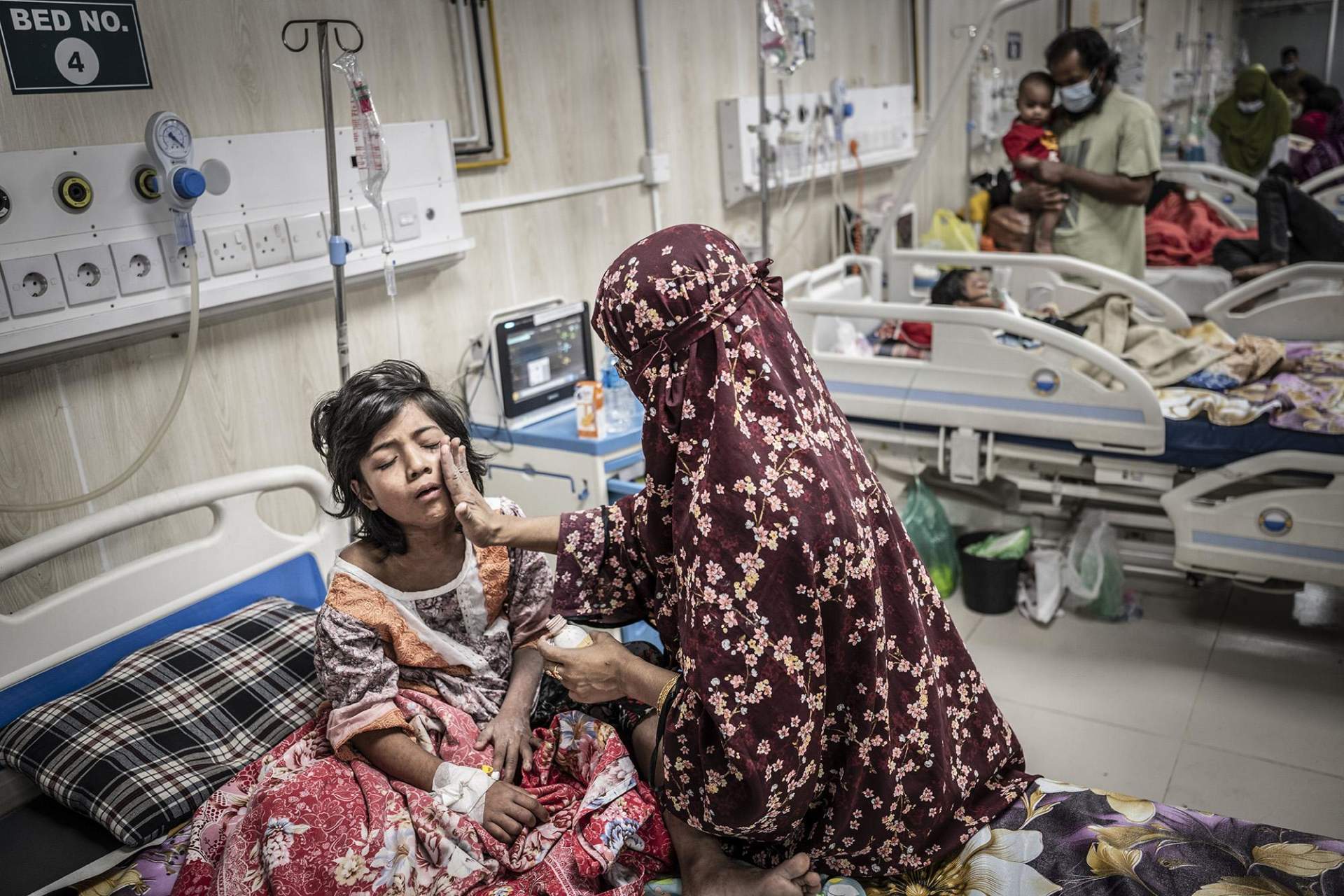
WHO reported that many deaths were occurring in communities rather than treatment centres, highlighting problems with early detection and access to medical care. Contact tracing also remained below the agency's target in several affected provinces.
These gaps can allow infections to go undetected and make it harder for health teams to establish chains of transmission.
Cases beyond Congo's borders
Kenya reported nine cases, including one death, by October 20, according to WHO. The cases were linked to the first confirmed imported infection, and the agency said there was no evidence at that time of wider community transmission in the country.
Nigeria also reported an imported case in its Federal Capital Territory, Abuja. The patient was isolated and receiving medical care, while investigations continued into the person's travel history and possible exposure.
The wider outbreak has involved several countries at different stages. WHO's October 23 report listed the Democratic Republic of the Congo, Uganda, France, Kenya and Nigeria among the countries affected since the outbreak began. Some earlier events had been brought under control, and their inclusion does not mean that all five countries had ongoing transmission.
What happens next?
The immediate priorities are identifying infections early, tracing contacts, protecting health workers and improving access to appropriate care. Coordination between neighbouring countries is particularly important when people travel across borders before an infection is detected.
WHO's October 23 report assessed the risk as very high in the Democratic Republic of the Congo and high for countries sharing its land borders. It assessed the risk as low for the rest of the African region and globally at that time, while saying its assessment was being revised in light of new information.
The agency advised against restrictions on travel to or trade with affected countries.
The latest case count is a serious warning about the scale of the outbreak, but it does not by itself establish how widely the virus will spread next. The course of the epidemic will depend on how quickly health authorities can detect infections, reach affected communities and interrupt transmission.
Comments
0