


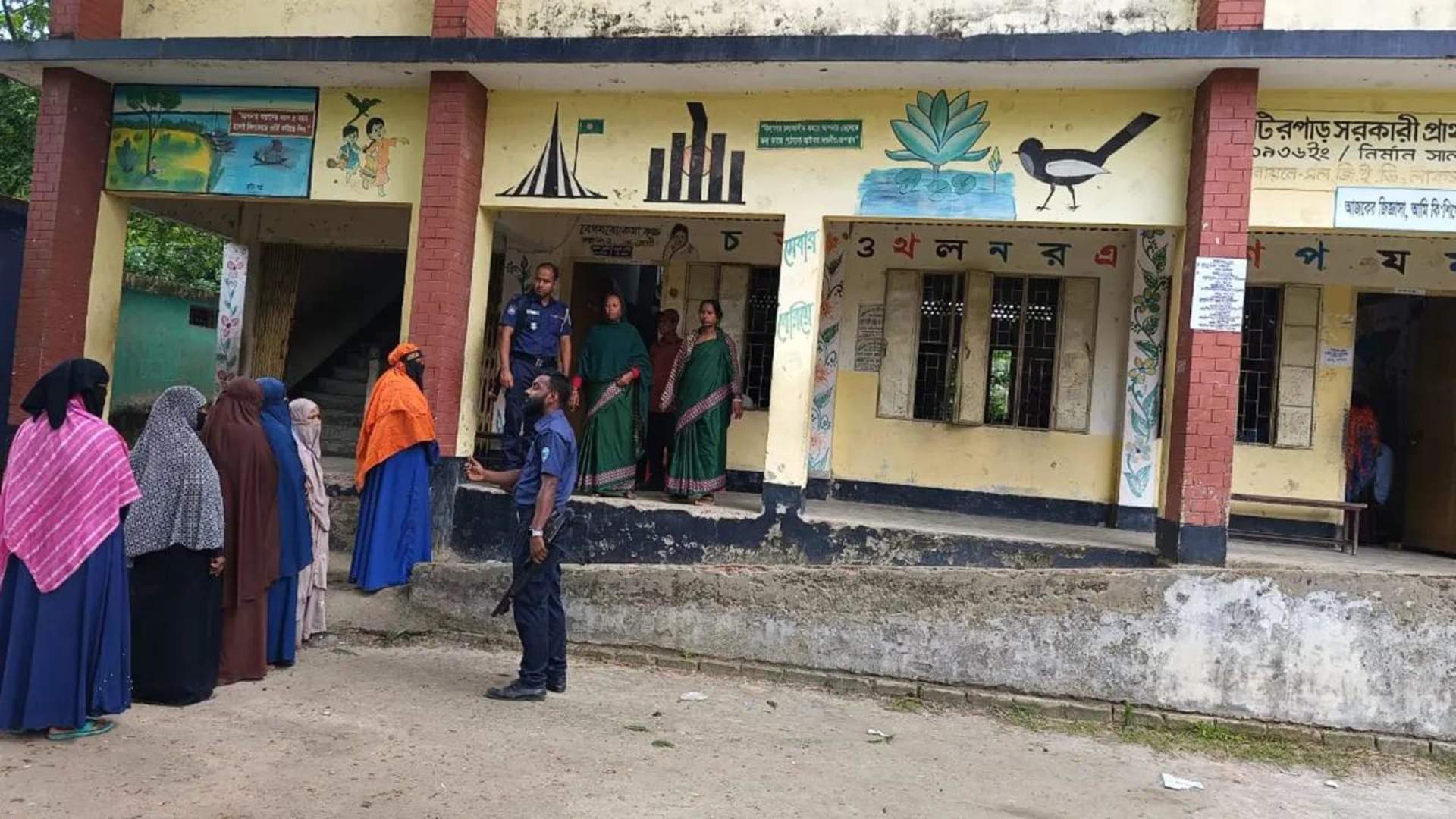
Bangladesh’s next local government elections face a key preparation challenge after a parliamentary committee chairman said law enforcement agencies were not yet fully ready to manage the polls. The comments have renewed attention on election security, administrative planning and the timeline for voting, which authorities have indicated could begin early in 2027.
AKM Selim Reza Habib, chairman of the Parliamentary Standing Committee on the Ministry of Local Government, Rural Development and Cooperatives, made the remarks after the committee’s first meeting at the parliament complex in Dhaka on October 11. He called for authorities to give security agencies more time to prepare, while expressing hope that local elections could still take place in the early months of next year.
The comments were reported by bdnews24.com and The Financial Express on October 11 and 12.
The remarks do not constitute an official election schedule. The Election Commission has previously discussed January as a possible timeframe, but the precise dates and arrangements for the polls remain subject to official decisions.
Why local elections pose a different challenge
Local government elections involve contests across multiple levels of administration, including union parishads, municipalities, upazilas, city corporations and zila parishads. The scale and organisation of these elections create a substantial logistical task for election officials and security agencies.
Habib said local polls could be more complex and risky than national elections because of candidates’ personal interests and attempts to exercise influence. Competition for ward member, reserved seats for women and chairman positions can bring candidates, campaign workers and supporters into close contact at polling centres.
Such contests can create pressure on authorities to maintain order before voting, during polling and while results are being processed.
Security preparation therefore involves more than deploying personnel on election day. Authorities must consider staffing, training, transport, coordination between agencies and their ability to respond to incidents in different locations.
The committee chairman’s comments highlight the need to complete those preparations before the Election Commission announces a final timetable.
However, his assessment should not be interpreted as evidence that violence will occur or that the elections cannot proceed. It identifies a readiness concern that officials will need to address through planning and operational decisions.
January remains a possibility, not a confirmed date
The Election Commission has previously indicated that local government elections could take place in January 2027.
In September, Election Commissioner Anwarul Islam Sarkar said the commission was considering January after taking into account public examinations scheduled for November and December. He also said the commission was planning around a period of approximately 40 to 45 days between announcing the schedule and polling.
The commission had earlier considered November for the first phase of union parishad elections, but that tentative plan was subsequently deferred. Officials cited the potential disruption to students’ examinations and other practical considerations.
The latest comments from the parliamentary committee introduce another issue into the discussion: whether law enforcement agencies will have enough time to prepare for the scale and demands of local voting.
These are related but distinct questions. The Election Commission must establish a workable schedule, while security agencies need to demonstrate that they can carry out their responsibilities under the eventual timetable.
As of October 12, the January timeframe should therefore be treated as a possibility rather than a confirmed nationwide polling date.
What the Election Commission and security agencies need to address
The practical test will be whether the authorities can turn preparation plans into arrangements that work consistently across the country.
Training is one part of that process. In September, Chief Election Commissioner AMM Nasir Uddin said the commission wanted police to conduct their duties professionally and had called for training for personnel who had not previously received election-related instruction. Reporting by The Business Standard also described plans involving digital monitoring and additional preparation for security agencies.
Operational capacity matters as well. Police and other agencies need adequate personnel, transport, communications and clear procedures for responding to incidents. Coordination is particularly important when several local contests take place across different districts and administrative areas.
The commission must also communicate clearly about its timetable and the responsibilities of the institutions involved. Uncertainty over dates can complicate planning for candidates, political parties, election workers and voters.
These considerations do not establish that any particular security measure will be sufficient. They show why preparedness must be assessed through concrete operational plans rather than general assurances alone.
Why the elections matter to voters
Local government elections determine who will hold positions responsible for decisions that affect communities directly. Depending on the institution, these responsibilities can include local infrastructure, public services, development projects and the administration of local resources.
For voters, the credibility of an election depends not only on the ability to cast a ballot but also on whether they can participate without intimidation and whether election rules are applied consistently.
A secure polling environment is therefore an important condition for meaningful participation. At the same time, security arrangements must operate within the law and protect legitimate political activity.
The coming months will test the ability of election administrators and security agencies to coordinate their work without creating unnecessary uncertainty for the public.
What happens next?
The immediate questions are whether security agencies will receive the additional preparation time requested by the parliamentary committee chairman and when the Election Commission will announce a formal schedule.
The commission’s earlier statements point towards January 2027 as a possible timeframe, but no final date should be assumed without an official announcement. Further decisions will need to clarify the sequence of polls and the arrangements required for each stage.
For now, the central issue is readiness rather than a confirmed delay. Habib has expressed confidence that elections could still take place early next year if agencies are given time to prepare.
Whether that expectation is realised will depend on the commission’s timetable, the operational capacity of law enforcement agencies and the implementation of security plans across the country.
Comments
0