


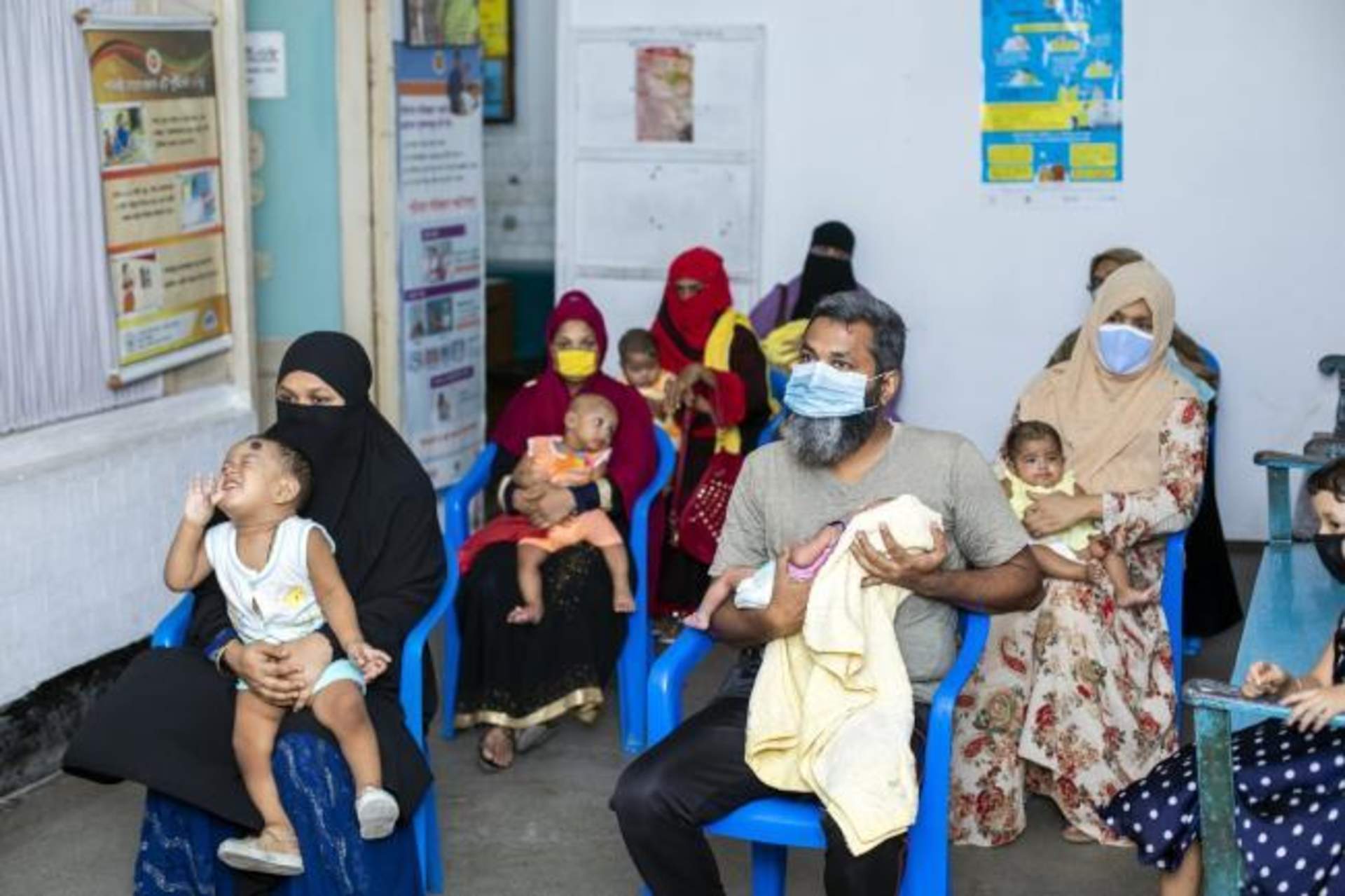
Bangladesh’s fight against measles has become a major public-health emergency, with more than 202,000 suspected cases reported since mid-March 2026 and vaccination gaps leaving thousands of children vulnerable. The outbreak is raising urgent questions about routine immunisation, health-service access and the country’s ability to reach children who are most at risk.
The World Health Organization (WHO), citing national surveillance data, reported 22,000 laboratory-confirmed cases and 1,147 deaths as of October 9. A report published by The Daily Star on October 20 put the combined number of suspected and confirmed measles deaths at 1,201, underscoring the continuing human cost of the outbreak.
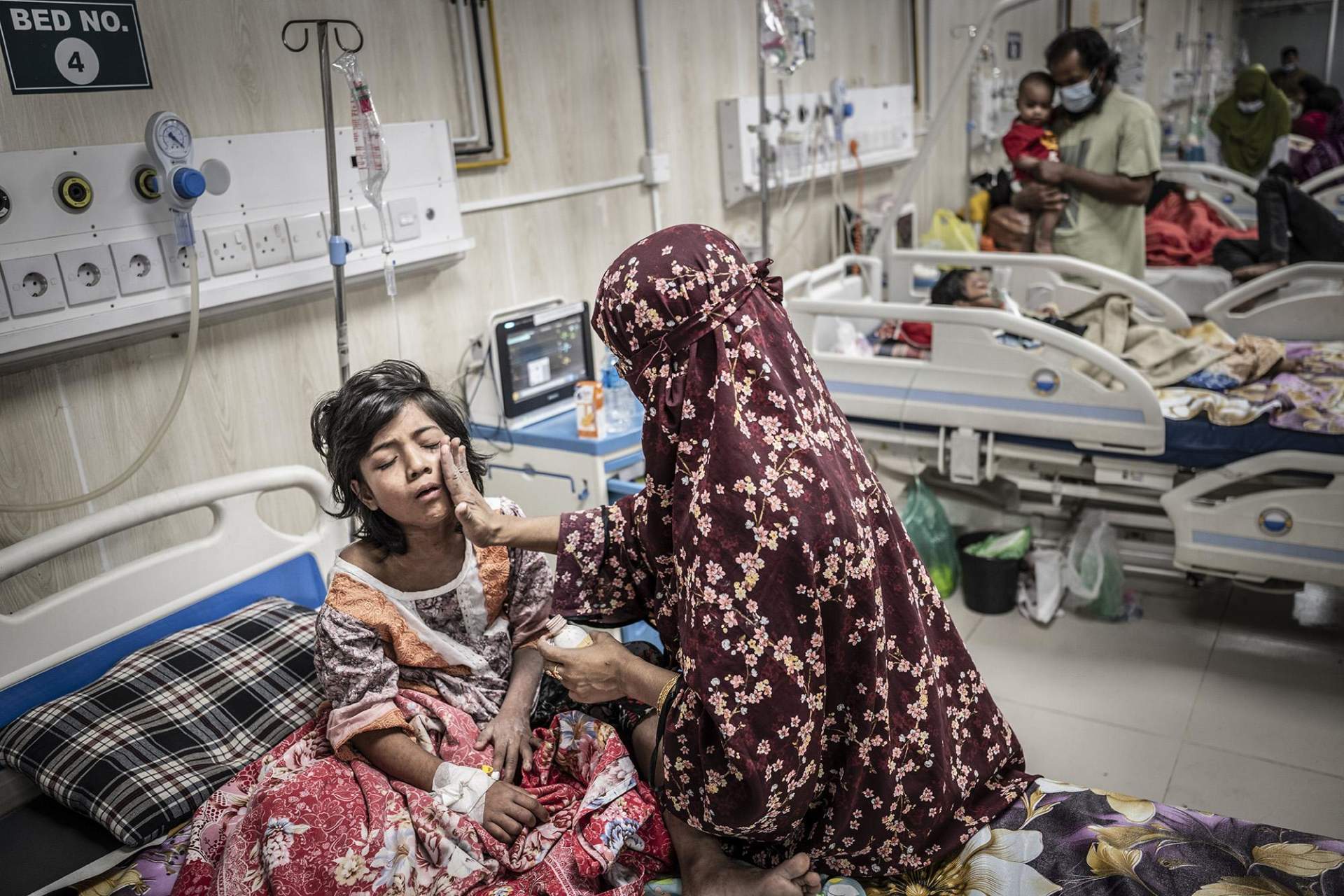
Children have borne the heaviest burden. According to Reuters, 94% of reported deaths were among children under five, making the crisis particularly alarming for families and health workers.
The outbreak is also a warning about the limits of emergency vaccination campaigns when routine health services fail to reach every eligible child.
How Bangladesh’s vaccination gaps became a crisis
Bangladesh previously made substantial progress in measles prevention through routine immunisation. But vaccination coverage weakened, and supply disruptions and gaps in health-service delivery left more children susceptible to infection.
In an April 2026 outbreak assessment, WHO identified vaccine stockouts during 2024–2025, declining routine vaccination coverage and the absence of regular nationwide supplementary measles-rubella campaigns since 2020 as contributing factors.
Political disruption and difficulties maintaining health services also complicated the response, according to reporting by Reuters. Health-worker shortages, incomplete records and problems identifying children who had missed vaccinations made it harder to assess the scale of the immunity gap.
Measles spreads readily through the air and can cause severe complications, including pneumonia, diarrhoea and inflammation of the brain. Young children, particularly those who are malnourished or otherwise vulnerable, face a greater risk of serious illness.
The outbreak demonstrates why vaccination programmes must remain consistent even when disease levels appear low. A period of reduced transmission does not mean the population is permanently protected. When enough susceptible children accumulate, a highly contagious disease can spread rapidly.
Emergency vaccination reaches millions, but gaps remain
Bangladesh launched an emergency measles-rubella vaccination campaign in April with support from WHO, UNICEF and Gavi, the Vaccine Alliance.
The initial effort focused on children aged six months to under five years, beginning in high-risk areas before expanding nationwide. According to the authorities, nearly 20 million children received vaccinations during the emergency campaign and subsequent efforts.
However, the scale of the outbreak showed that reaching large numbers of children was not the same as reaching every eligible child.
On September 26, Bangladesh began another nationwide catch-up campaign targeting approximately 3.4 million children who had either missed earlier vaccinations or had not received the required doses. The campaign was scheduled to continue through October 31, according to Bangladesh Sangbad Sangstha, the national news agency.
The renewed effort includes identifying children outside existing vaccination lists and checking vaccination status through household visits.
That approach matters because children can be missed for several reasons. Families may live in remote communities, lack information about vaccination schedules or face practical barriers to reaching health facilities. In other cases, incomplete registration and weak recordkeeping can make it difficult for health workers to identify who still needs protection.
The poorest and hardest-to-reach communities can face the greatest consequences when these gaps persist.
Why emergency campaigns cannot replace routine care
Mass vaccination campaigns can help contain an outbreak quickly, but they are not a substitute for a reliable routine immunisation system.
Routine services allow children to receive vaccines at the appropriate ages, help health workers identify missed doses and provide opportunities to detect emerging health risks. When these services weaken, the number of unprotected children can grow even if a country has previously achieved high vaccination coverage.
WHO recommends maintaining at least 95% coverage with both recommended doses of measles-containing vaccine to help prevent outbreaks. Coverage also needs to be sufficiently consistent across communities. A strong national average can conceal local areas where too many children remain unvaccinated.
Bangladesh’s experience highlights the importance of accurate vaccination records, dependable vaccine supplies, trained health workers and effective communication with parents.
It also shows why outbreak preparedness matters. WHO’s April assessment identified weaknesses in readiness checks and surveillance as concerns during the response. Better planning, reliable local data and adequate staffing can help health authorities identify vulnerable populations before transmission becomes widespread.
An independent review of Bangladesh’s immunisation programme and vaccine-preventable disease surveillance began in October, with WHO and other partners supporting the assessment. According to WHO, the review is examining programme management, financing, vaccine supply, service delivery, data quality and outbreak preparedness. Findings and recommendations are expected to inform further improvements.
A warning beyond Bangladesh
The crisis has implications beyond the country’s borders.
Measles outbreaks can spread when infected people travel between communities and countries, particularly where vaccination coverage is uneven. WHO has identified regional transmission risks linked to population movement across South Asia, where health authorities continue to face challenges in reaching vulnerable groups.
Bangladesh’s experience is relevant to countries that depend on vaccination programmes to protect children against preventable diseases. Even well-established systems can become vulnerable when vaccine supplies are interrupted, health services lose capacity or public confidence weakens.
The lesson is not that emergency campaigns are ineffective. Rather, emergency action works best when it is supported by strong routine services, dependable surveillance and the ability to identify children who have been overlooked.
For Bangladesh, the immediate priority is to contain transmission, reach children missed by earlier campaigns and ensure that families can access appropriate vaccination and medical care. Health authorities also need reliable data to measure progress and identify communities where protection remains inadequate.
The longer-term challenge is to prevent the next outbreak. That requires sustained investment in routine immunisation, stronger local health services and systems that can reach children regardless of where they live or how easily their families can access care.
Bangladesh has demonstrated that large-scale vaccination campaigns can reach millions of children. The current crisis shows why the next measure of success must be whether those still at risk are reached before another outbreak begins.
Source: WHO, UNICEF, Reuters, BSS
Comments
0