


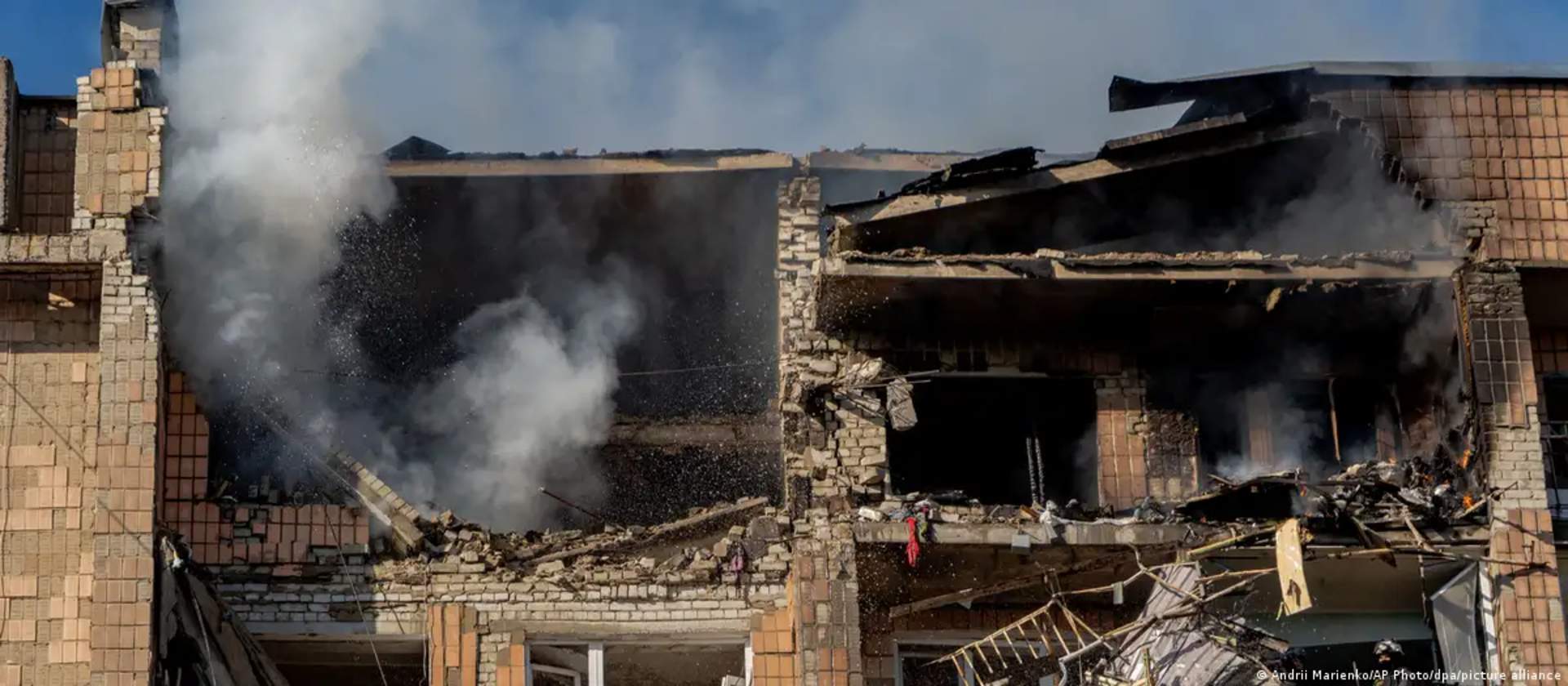
The Ukraine energy ceasefire collapse became evident over the weekend as Russian forces launched a new wave of missile strikes against Ukrainian power grids, openly defying recent diplomatic claims of a negotiated pause in infrastructure targeting.
The renewed bombardment complicates an already delicate geopolitical narrative. Last week, United States President Donald Trump announced that a mutual agreement had been reached with Russian President Vladimir Putin to halt attacks on civilian energy sectors. However, the reality on the ground quickly contradicted the diplomatic broadcasts originating from Washington. Ukrainian President Volodymyr Zelenskyy publicly rejected the premise of the deal, noting that Moscow had never ceased its operations against vital power substations and heating facilities.
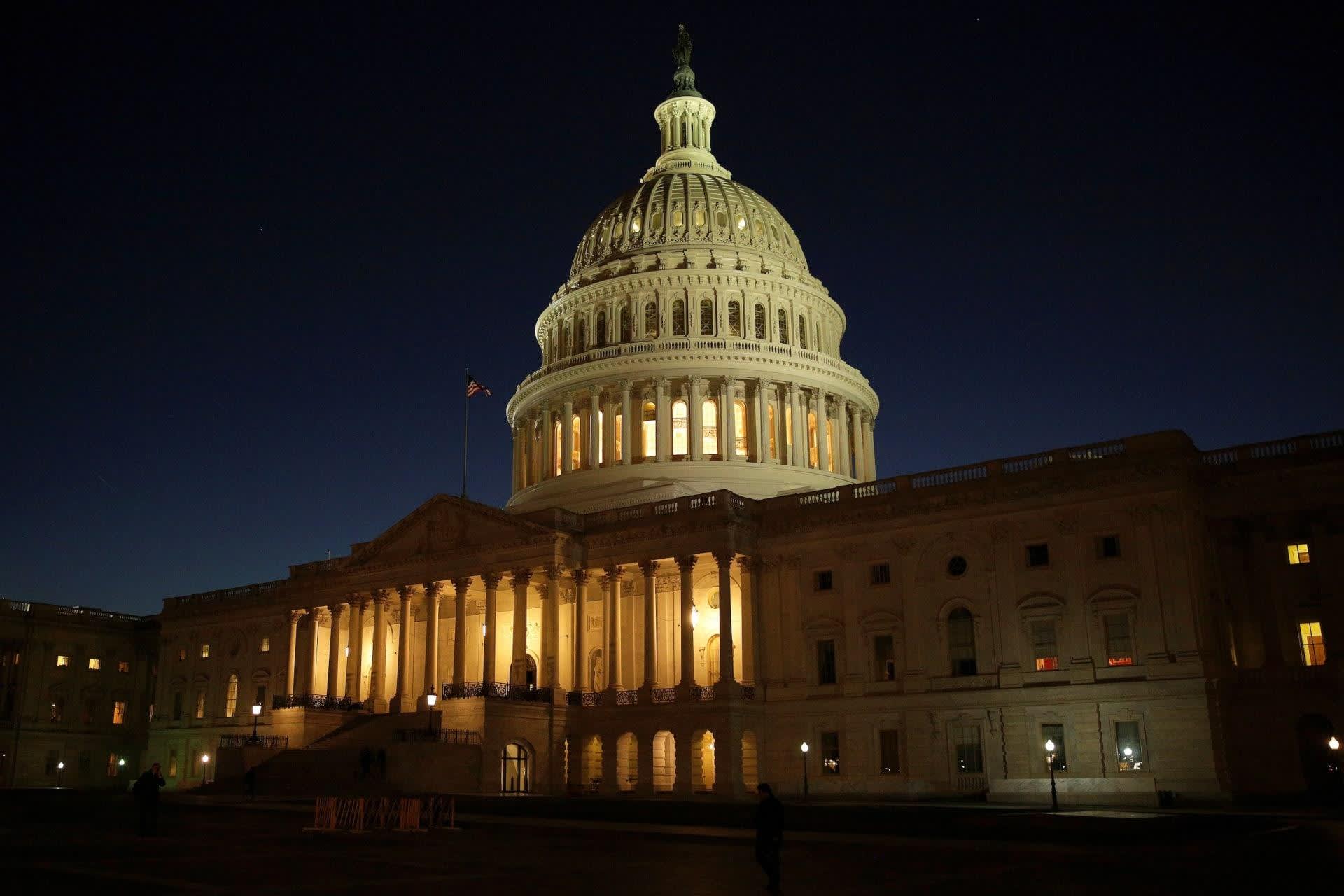
The resulting political friction highlights a growing disconnect between U.S. domestic electoral pressures and the tactical necessities of the Ukrainian defense strategy. With crucial U.S. midterm elections approaching in November 2026, the White House has heavily prioritized stabilizing global energy markets and reducing diesel costs for American consumers. To achieve this, U.S. officials reportedly sent multiple requests to Kyiv over the past month, urging the Ukrainian military to halt its highly effective drone strikes against Russian oil refineries.
The Diplomatic Disconnect in Washington
When Ukrainian forces continued to prioritize Russian petroleum logistics, the diplomatic relationship strained further. According to independent reporting from Axios, the White House viewed the Ukrainian refinery strikes as an escalation that threatened broader economic stability. In response to Kyiv prioritizing its own tactical requirements, the U.S. administration indicated it would independently broker a grid-protection agreement directly with Moscow.
President Zelenskyy pushed back against this framework during a weekend address. He argued that Ukraine cannot accept a one-sided arrangement where Russian industrial logistics remain untouched while Russian troops continue offensive operations in the eastern sectors. Furthermore, Zelenskyy stated that true electoral stability in Ukraine would require a comprehensive 60-day military ceasefire, rather than a narrow agreement designed strictly to protect energy markets.
The breakdown escalated rhetorically when President Trump suggested that Ukraine might need to seek new leadership capable of finalizing a deal with Russia. This statement triggered immediate reactions across the Atlantic, forcing European leaders to publicly clarify their own foreign policy positions.
European Allies Reaffirm Support
Sensing a potential fracture in the Western coalition, European capitals moved swiftly to stabilize the alliance. Over the weekend, the United Kingdom, Germany, and Poland issued coordinated statements reaffirming their unconditional support for the current Ukrainian administration.
U.K. Defense Secretary Wes Streeting emphasized that London's immediate priority would be seeking reconciliation between Ukraine and the United States to ensure a unified front. The diplomatic maneuvering comes at a sensitive time for European security, particularly after U.K. Prime Minister Andy Burnham recently warned of ongoing Russian intelligence interference targeting democratic institutions in France and Germany.
Reciprocal Infrastructure Strikes
While diplomats debate the parameters of a theoretical truce, the military reality remains focused on degrading enemy logistics. Following the Russian strikes on the Ukrainian power grid, Kyiv responded with reciprocal force.
Ukrainian military intelligence coordinated a sophisticated drone strike against a major data center owned by the Russian technology giant Yandex. The weekend operation damaged the facility and forced a temporary pause in operations, demonstrating Ukraine's expanding capacity to strike deep into Russian territory and disrupt critical digital infrastructure. Simultaneously, Ukrainian forces claimed the destruction of six Russian aircraft using Neptune missile systems, signaling a refusal to scale back operations despite the lack of a formal energy treaty.
As temperatures drop across Eastern Europe, the Ukraine energy ceasefire collapse guarantees a difficult winter for civilian populations. Both militaries are now fully committed to a strategy of industrial attrition, aggressively targeting power, fuel, and communication networks to degrade operational capacity before freezing conditions set in.

Comments
0